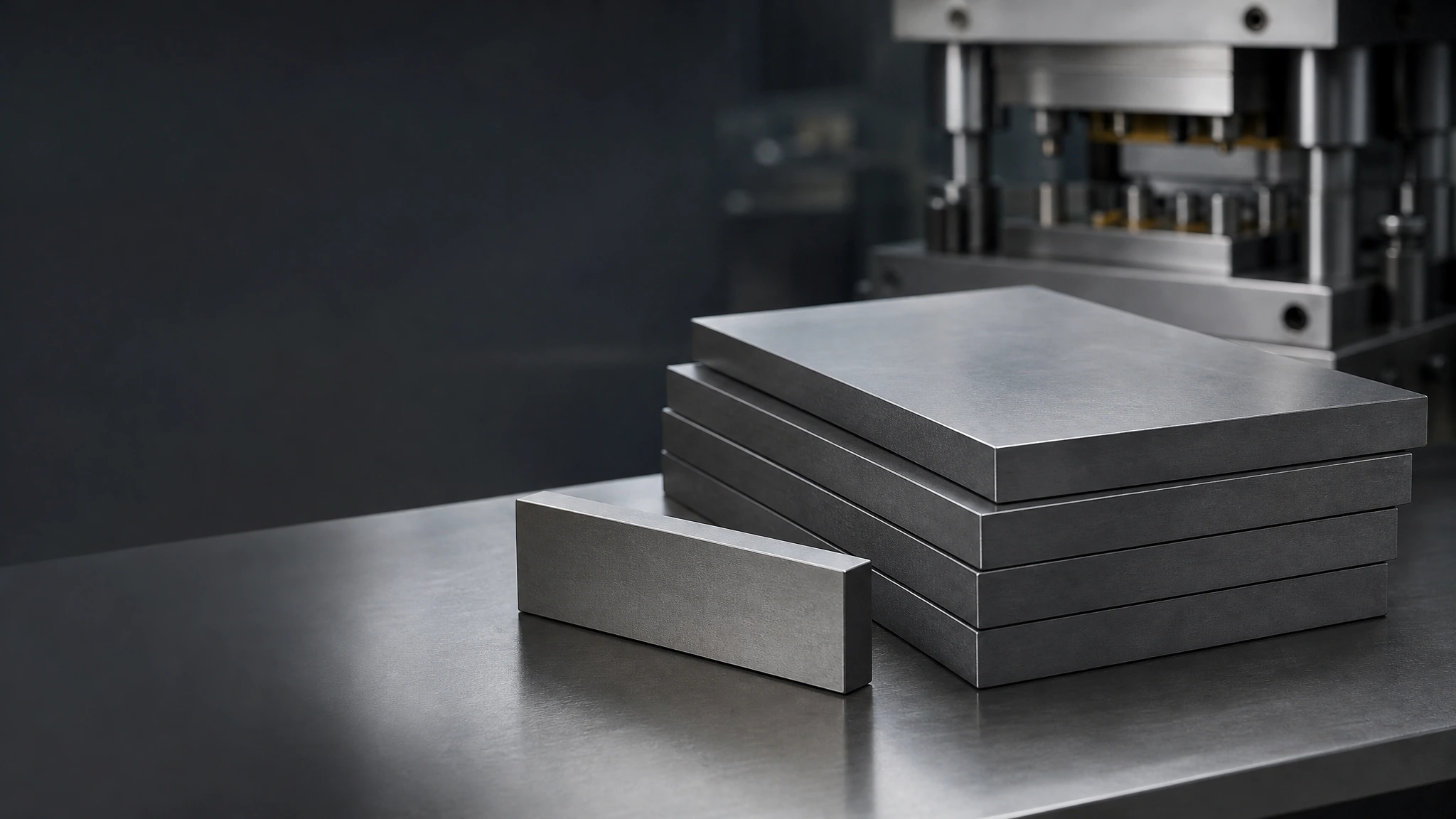
Tungsten Carbide PCB Lead Cutting Blades for Component Lead Trimming
Writer: admin Time:2026-11-06 11:02:40
Electronic component lead trimming requires a blade that matches the cutting machine, lead material, and production method. Tungsten carbide PCB Lead Cutting Blades are used on automatic and push-type lead cutting machines to trim PCB component leads, plug-in pins, soldered leads, LED legs, and other electronic assembly protrusions. For overseas buyers, the most important selection points are not only the blade material, but also the outside diameter, bore, thickness, edge geometry, and whether the application involves fine, soft leads or coarse, hard pins.
This guide explains how PCB Lead Cutting Blades are used, what information should be confirmed before purchasing, and how HAO CARBIDE can support customized product selection according to machine and application requirements.
What Are Tungsten Carbide PCB Lead Cutting Blades?
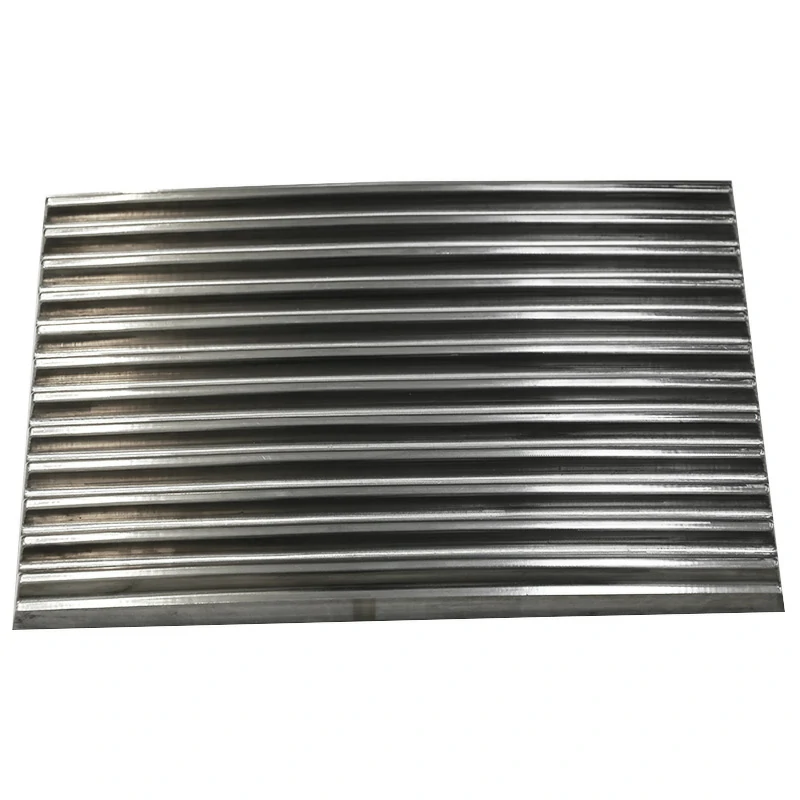
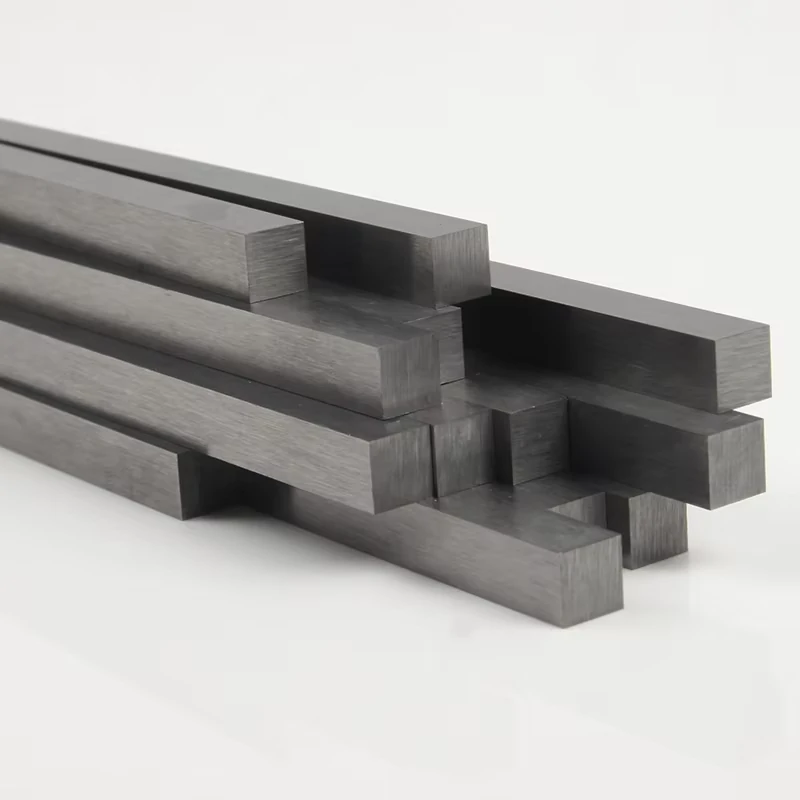
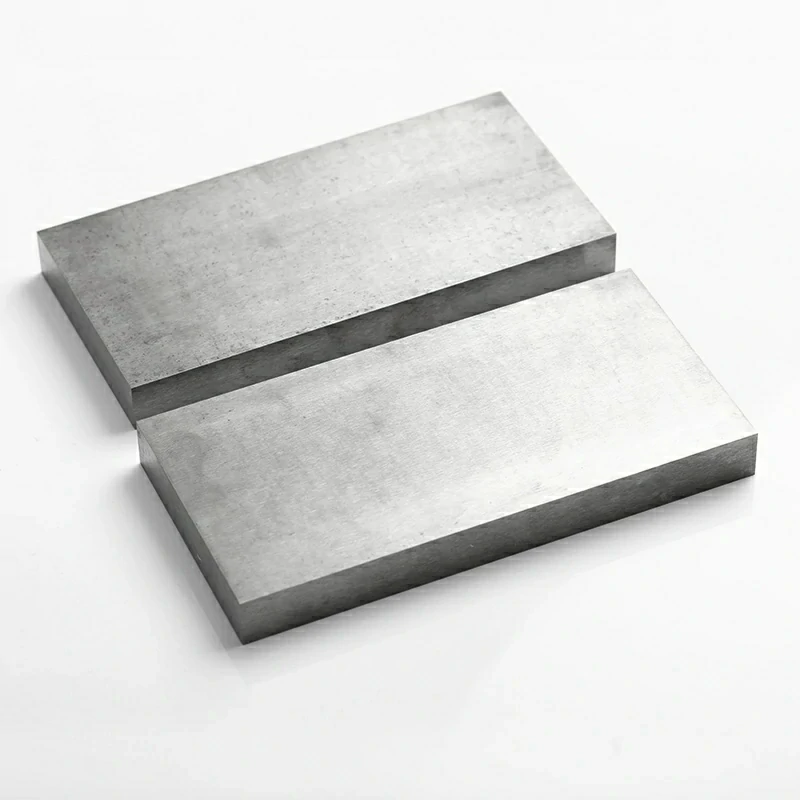
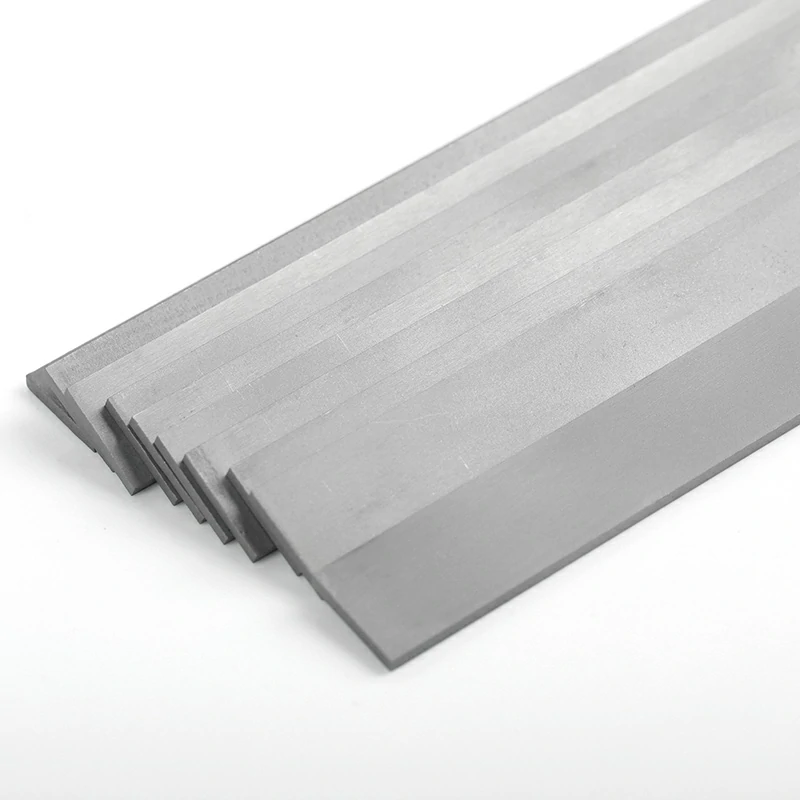
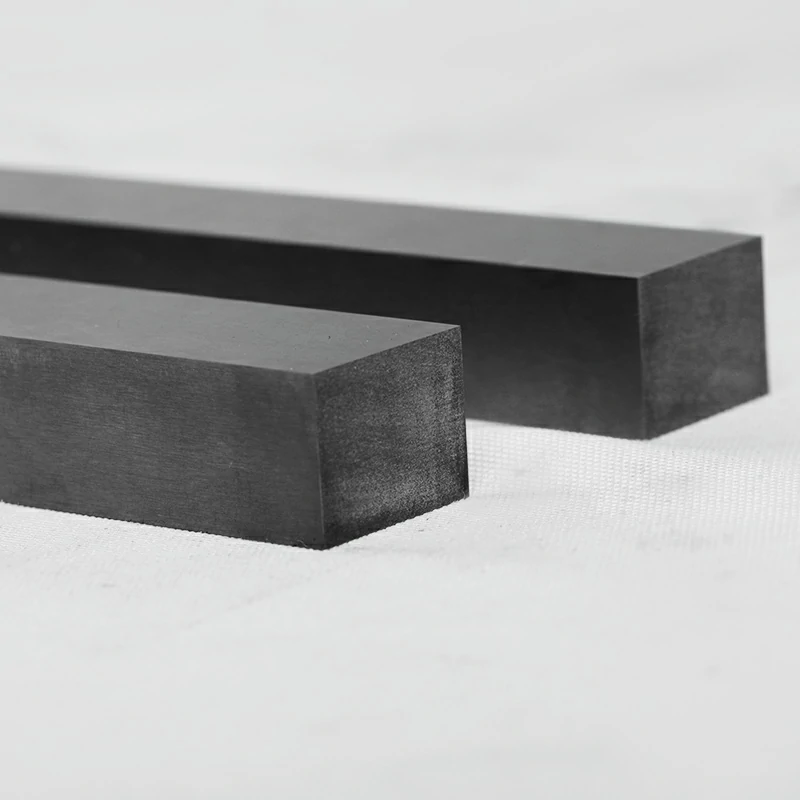
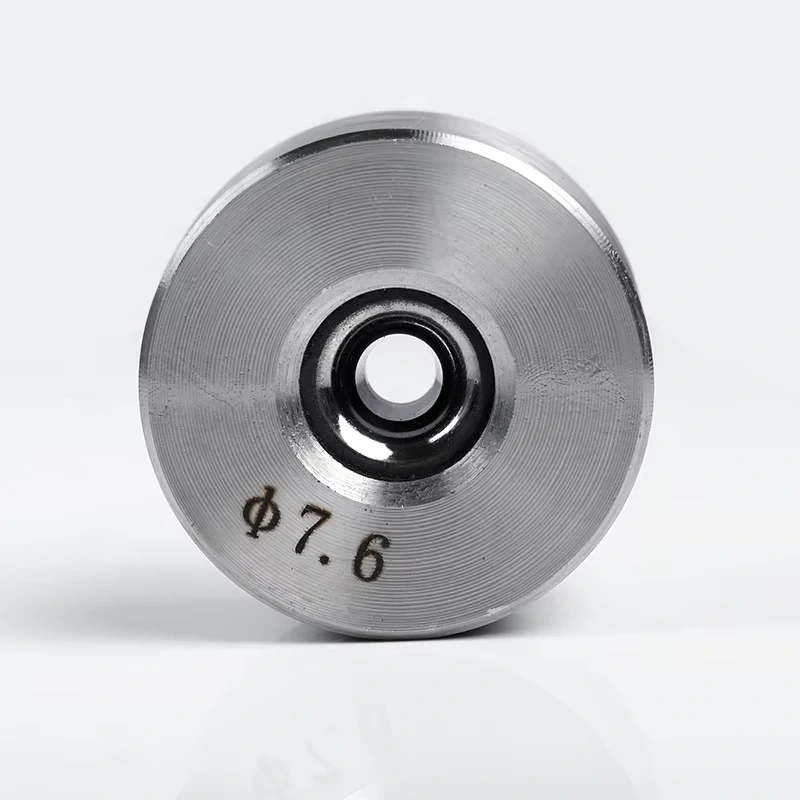
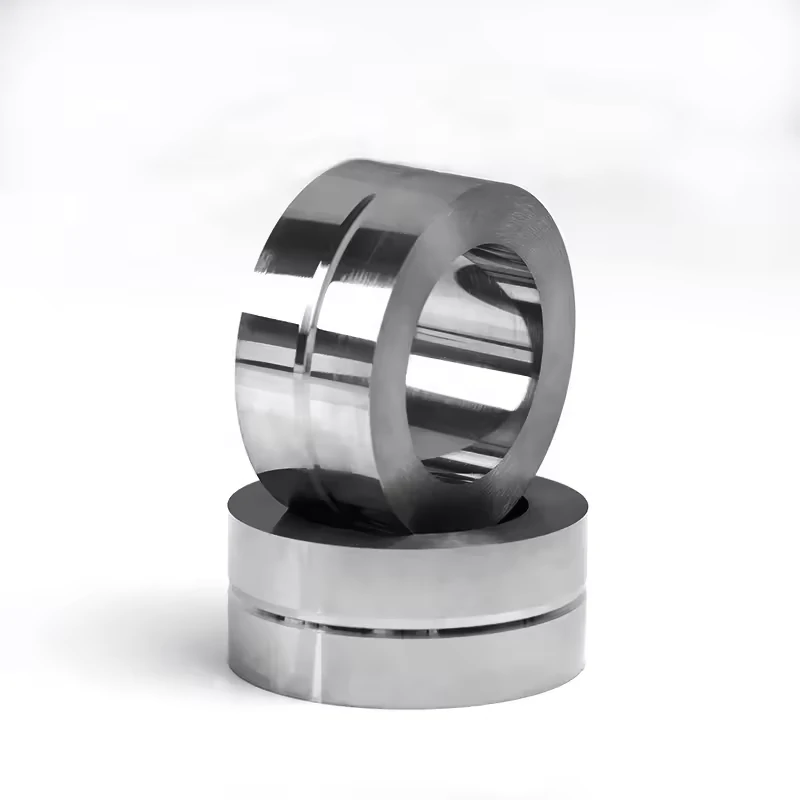
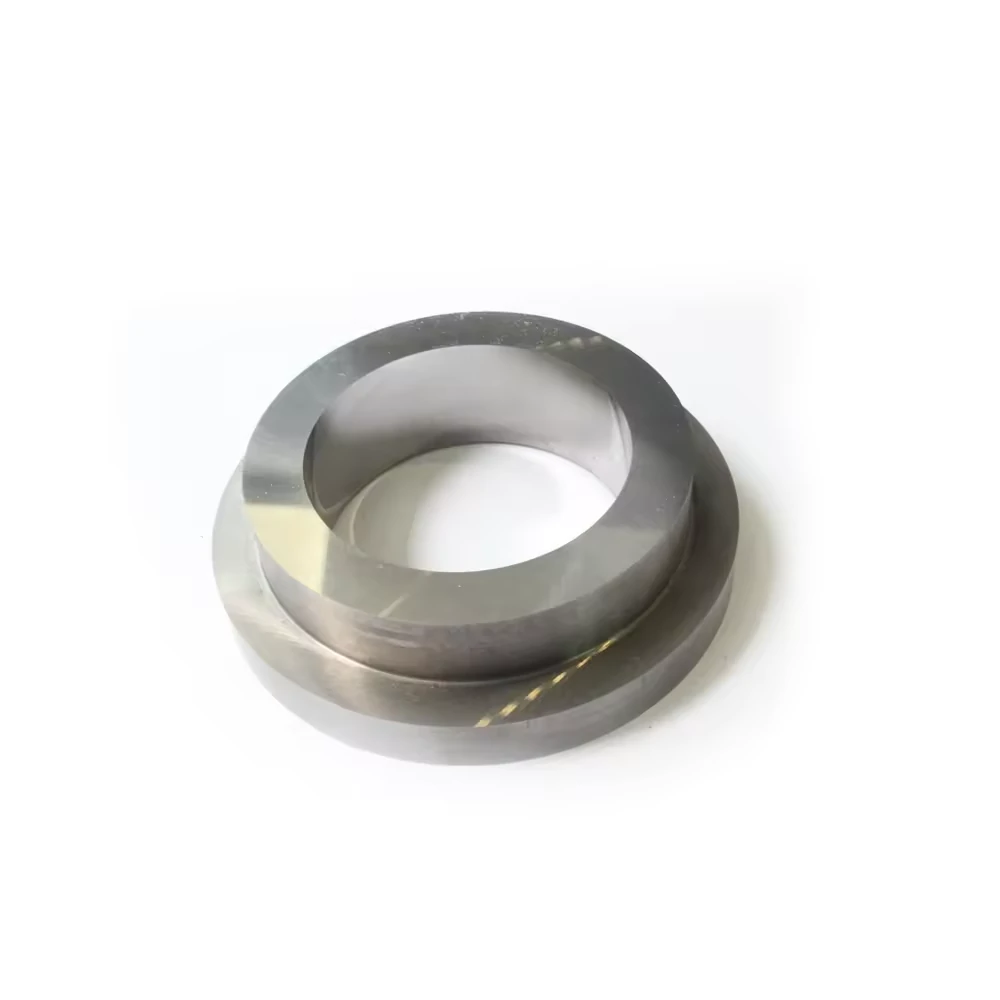
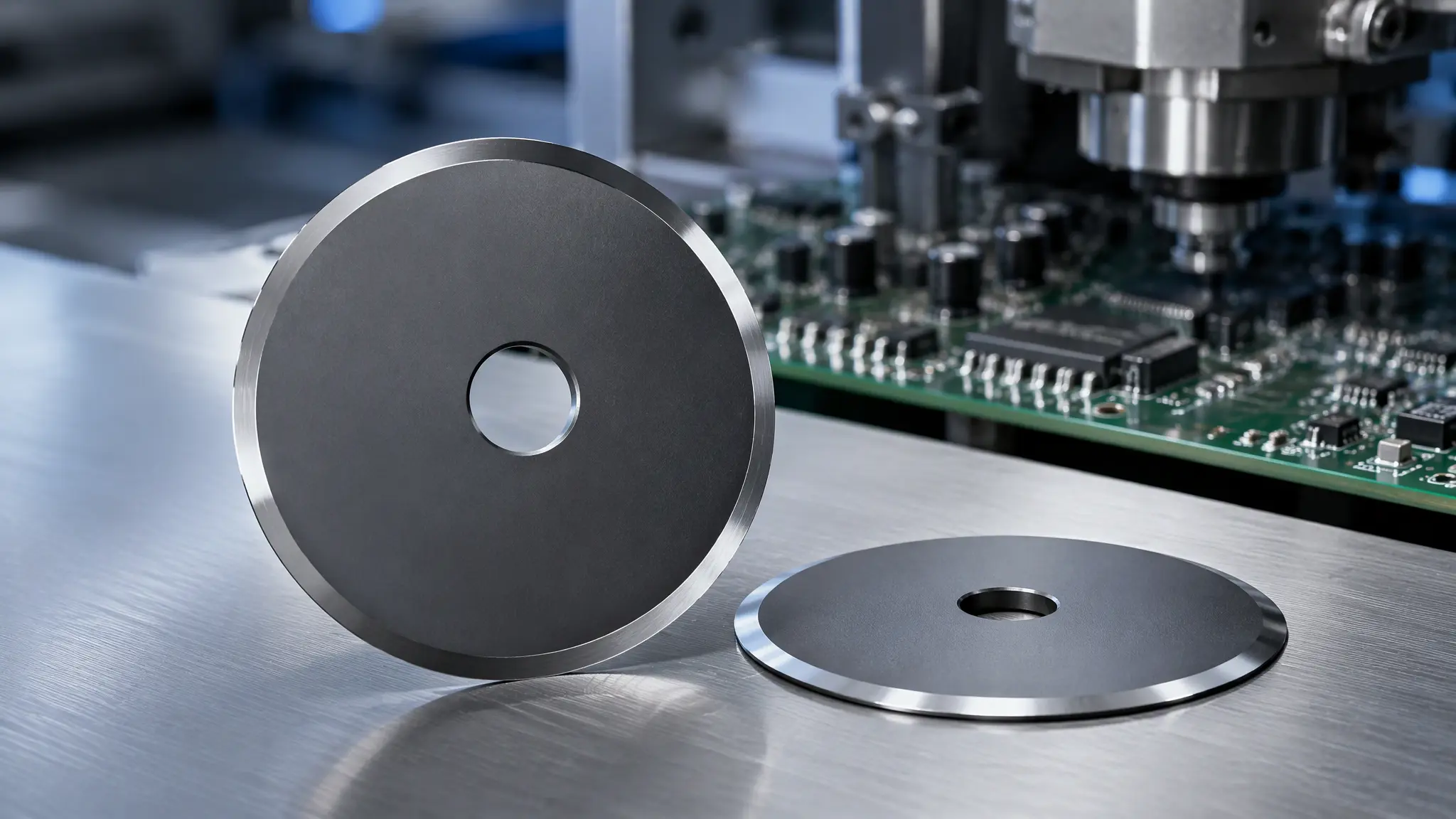
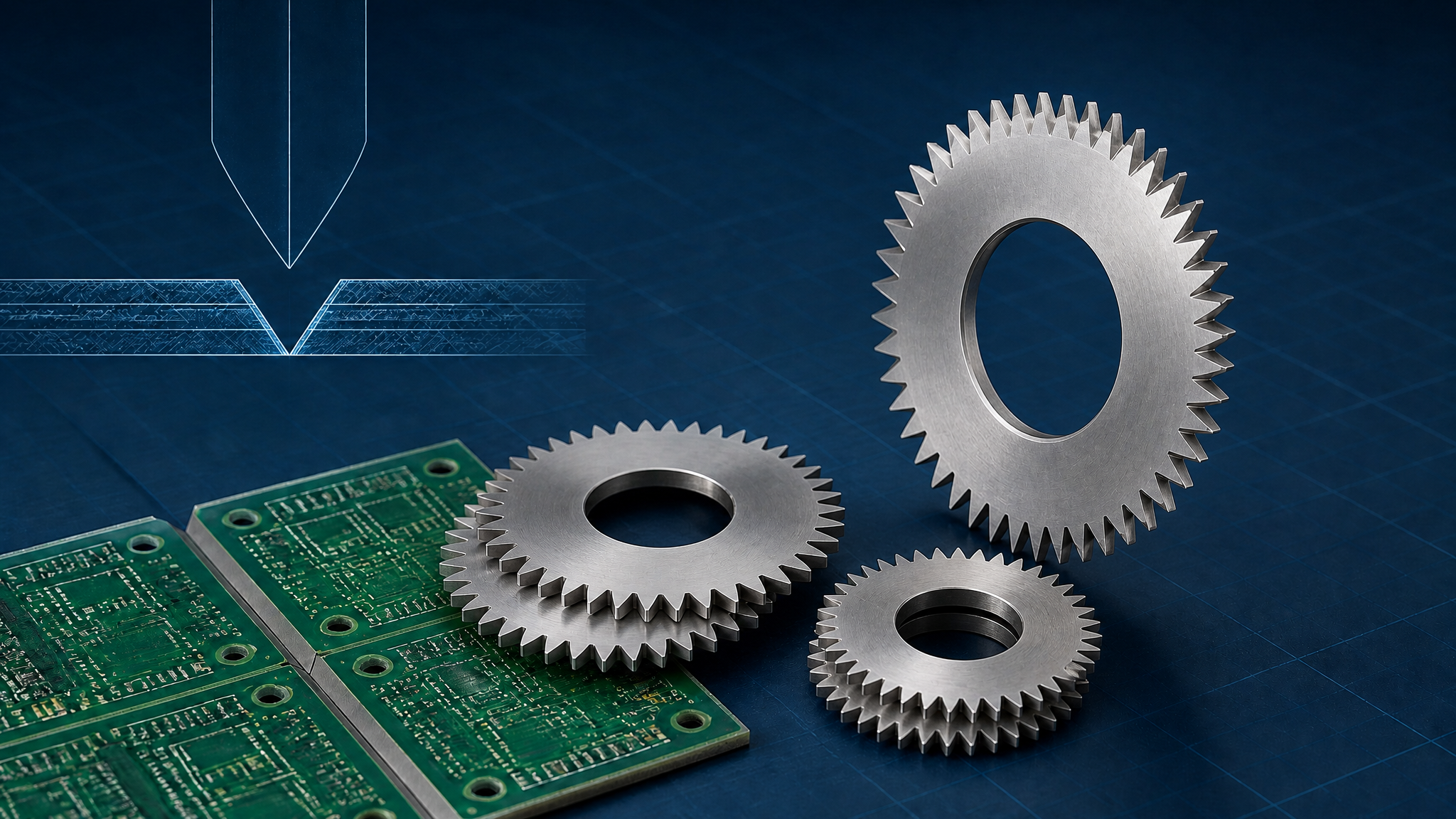
A tungsten carbide PCB Lead Cutting Blade is a circular carbide cutting tool designed for electronic component lead trimming. It is installed on a dedicated automatic or push-type cutting machine and removes unwanted lead length after components have been inserted or soldered onto a printed circuit board. The product is also described as a carbide PCB lead cutting blade or an electronic component trimming blade.
The blade is intended for repetitive industrial cutting rather than general-purpose hand work. Typical targets include component pins, plug-in leads, solder feet, LED legs, copper leads, and other protruding material on electronic assemblies. Because the blade works in a production machine, the bore, outer diameter, thickness, and cutting edge must match the equipment. A dimension that appears close but does not fit the machine interface can cause installation and alignment problems.
In practical procurement, the blade should be treated as a machine-matched replacement part. The cutting result is influenced by concentric mounting, blade runout, board support, and the condition of the machine. A technically suitable material cannot compensate for an incorrect bore or an unsuitable edge position. Confirming the complete interface before quotation helps reduce installation changes and avoids ordering a blade that cannot be used on the intended line.
Why Use Carbide for PCB Lead Trimming?
Carbide is selected for this type of cutting application because it combines high hardness with wear resistance. These characteristics can support stable cutting when a blade is used repeatedly on electronic component leads. The source material describes tungsten carbide blades made with carbide powder, pressing, sintering, and subsequent precision processing. The actual grade and physical properties should be confirmed against the required model before production.
A suitable carbide blade can help an electronics manufacturer maintain a consistent trimming process and reduce the frequency of blade replacement or regrinding compared with an unsuitable general-purpose blade. The result still depends on the lead material, machine condition, cutting clearance, feed arrangement, installation accuracy, and operating practice. Buyers should therefore evaluate the blade together with the complete cutting setup rather than treating material hardness as the only selection criterion.
For production procurement, the most useful information is the machine model, the existing blade drawing, the lead type, and the expected order quantity. These details allow a supplier to confirm whether a standard 8-inch or 10-inch configuration is appropriate, or whether a drawing-based solution is required.
Standard Sizes and Product Configurations
The source material lists two common overall size categories for carbide PCB Lead Cutting Blades:
These dimensions are reference configurations from the supplied technical material. Buyers should confirm the actual machine interface and drawing before placing an order because the same nominal blade size may require different details for a particular machine.
The source also distinguishes cutting blades for different lead conditions. A fine-lead version is intended for many fine, soft, or copper-type component leads. A coarse-lead version is intended for coarser, harder, or steel-pin applications. The cutting edge angle and carbide composition can be selected according to the intended cutting work. HAO CARBIDE can review the application information and confirm a suitable configuration before production.
Do not select a blade only by the phrase “8-inch” or “10-inch.” Confirm all of the following:
Outside diameter.
Bore diameter and mounting interface.
Blade thickness.
Cutting edge or included angle.
Lead material and approximate lead size.
Automatic or push-type machine configuration.
Required quantity and replacement frequency.
Applications in Electronics Manufacturing
Tungsten carbide PCB Lead Cutting Blades are used in electronics production where component leads need to be trimmed to a consistent length. The supplied material identifies several practical applications:
Automatic PCB lead trimming
Automatic cutting machines are used when the production line requires repeatable lead trimming and higher throughput. The blade must match the machine spindle or mounting arrangement, and the cutting edge must be suitable for the component lead condition. Machine model, blade drawing, and installation details should be supplied for technical confirmation.
Push-type or manual-feed cutting machines
Push-type cutting machines are used in production environments where boards are positioned and moved through the cutting operation by an operator. A compatible carbide blade can be used for routine trimming of PCB component leads, plug-in pins, soldered legs, and similar protrusions. Buyers should identify the machine style before selecting the blade.
Fine-lead component trimming
Fine-lead applications require attention to edge geometry and cutting clearance. A fine-lead blade configuration may be suitable for smaller or softer leads, but the final selection should be based on the actual component and machine conditions. Providing a sample blade or drawing is the safest way to avoid a mismatch.
Coarse-lead and hard-pin trimming
Coarse leads, hard pins, and steel terminal ends may require a different carbide composition or edge design from fine copper leads. A coarse-lead configuration can be considered when the board contains larger or harder component legs. The supplier should confirm the application before recommending a grade or edge angle.
How to Choose a PCB Lead Cutting Blade
Start with the equipment rather than the product name. Record the machine type, manufacturer, model, and current blade dimensions. If the existing blade is available, a drawing or clear dimensional record is more reliable than a verbal description.
Next, identify the material being cut. Copper, soft leads, soldered feet, steel pins, and other component legs can place different demands on the cutting edge. Also record the approximate lead diameter, the required finished lead length, and whether the board contains a mixture of fine and coarse components.
Then confirm the mechanical dimensions. The outside diameter controls the cutting path and machine clearance. The bore must fit the mounting system. Thickness affects the position of the cutting edge and the assembly arrangement. Edge angle and tooth or cutting geometry, where applicable, should be confirmed from the original drawing or sample.
Finally, clarify the purchasing requirements. State the quantity, packaging requirement, inspection expectation, delivery target, and whether the order is a standard replacement or a custom size. For a new machine or non-standard configuration, send the blade drawing, machine interface information, and a sample if available.
Purchasing Checklist for Overseas Buyers
Before requesting a quotation, prepare a concise technical brief containing:
Product name: tungsten carbide PCB Lead Cutting Blade.
Machine type: automatic or push-type cutting machine.
Blade size: outside diameter, bore, and thickness.
Edge information: angle or existing blade geometry.
Lead condition: fine, soft, copper, coarse, hard, or steel pin.
Board and component application.
Required quantity and repeat-order plan.
Drawing, sample, or photos of the existing blade.
Packaging and inspection requirements.
Ask the supplier to confirm the specification in writing before production. If the requested carbide grade, tolerance, edge angle, or physical property is not confirmed, it should not be presented as a guaranteed specification. HAO CARBIDE can review drawings or samples and provide a customized carbide blade proposal based on the information supplied by the buyer.
Also agree on the inspection basis before the order is made. The quotation should identify the dimensions to be checked, the reference drawing or sample, and any packaging or marking requirement that has been confirmed. For repeat orders, keep the approved specification and sample reference so future batches can be compared consistently. This process is more useful than relying on a general product name, especially when several cutting machines use similar nominal blade sizes.
Why Work with HAO CARBIDE?
HAO CARBIDE supplies carbide products for industrial buyers and can support product selection according to drawings, samples, machine interfaces, and application requirements. For PCB lead trimming, the relevant service focus is a single, clearly defined product: the tungsten carbide PCB Lead Cutting Blade.
When requesting a quotation, buyers can provide the machine model, current blade dimensions, lead material, and order quantity. This gives the technical team enough information to distinguish a fine-lead configuration from a coarse-lead configuration and to identify whether a standard or customized size should be reviewed. Any material grade, tolerance, inspection detail, or delivery arrangement should be confirmed for the specific order before production.
For an overseas B2B order, clear technical communication is especially important. Share the original drawing, photographs with dimensions, or a sample description, then ask the supplier to repeat the confirmed specification in the quotation or order confirmation. HAO CARBIDE can use those inputs to discuss a standard replacement or a drawing-based carbide solution without assuming unconfirmed grades, certifications, or performance claims.
Frequently Asked Questions
What is a tungsten carbide PCB Lead Cutting Blade used for?
It is used on automatic or push-type cutting machines to trim PCB component leads, plug-in pins, soldered leads, LED legs, and similar electronic assembly protrusions.
What are common sizes for carbide PCB lead cutting blades?
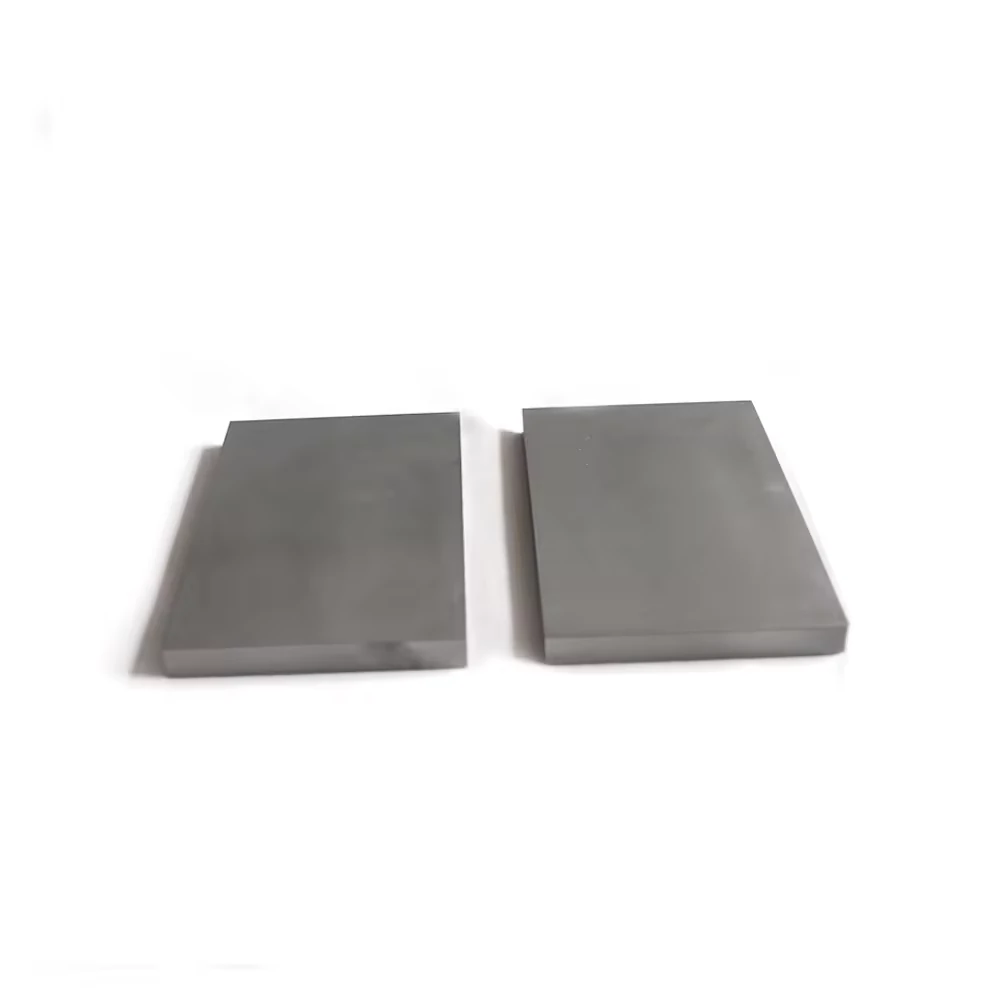
The supplied material lists approximately 200 × 70 × 3.5 mm for an 8-inch blade and 250 × 70 × 3.5 mm for a 10-inch blade. Confirm the dimensions against the machine drawing before ordering.
Should I choose a fine-lead or coarse-lead blade?
Choose according to the lead material and size. Fine-lead configurations may suit smaller or softer leads, while coarse-lead configurations may be considered for larger, harder, or steel-pin leads. The actual application should be reviewed before production.
Can HAO CARBIDE make a customized blade?
HAO CARBIDE can review drawings or samples for a customized PCB Lead Cutting Blade. The buyer should provide the machine interface, required dimensions, edge information, and order quantity for confirmation.
What information is needed for a quotation?
Provide the machine type and model, outside diameter, bore, thickness, lead material, component application, required quantity, and a drawing or sample whenever possible.
Request a Carbide PCB Lead Cutting Blade Quote
Send HAO CARBIDE your cutting machine model, existing blade dimensions, PCB component lead information, and order quantity. Our team can review the application and help identify a suitable tungsten carbide PCB Lead Cutting Blade for automatic or push-type PCB lead trimming. For non-standard requirements, include a drawing or sample so the specification can be checked before production.
A complete inquiry should also state whether the application involves fine or coarse leads, whether the requested blade is an 8-inch or 10-inch configuration, and what mounting details must be preserved. This allows the product discussion to focus on the actual machine and cutting task. Contact HAO CARBIDE to review your blade drawing, sample, and repeat-order requirements.
If the product is for a repeat production line, include the previously approved drawing or sample reference and note any changes to the machine, component family, or board process. For a first order, photographs and dimensional measurements can help the technical discussion begin, but the final specification should be confirmed before production. This approach keeps the inquiry focused on one product and gives both parties a clear basis for quotation, inspection, and future replenishment.