Tungsten Carbide Dispensing Valve Components for Automated Fluid Control
Writer: admin Time:2026-11-04 10:04:38
Tungsten Carbide Dispensing Valve Components for Automated Fluid Control
Automated dispensing equipment needs fluid-control components that can maintain accurate movement and stable contact during repeated production cycles. Tungsten carbide dispensing valve components, including valve cores, valve sleeves, valve tips, and valve pads, are used as matched parts in automated glue dispensing and fluid-control systems. The right configuration depends on the machine drawing, fluid behavior, dimensional fit, surface finish, and required production conditions.
This guide explains how carbide valve components are used in automated dispensing equipment, which specifications buyers should confirm, and how HAO CARBIDE can support drawing-based or sample-based product selection without assuming unconfirmed grades or performance claims.
What Are Tungsten Carbide Dispensing Valve Components?
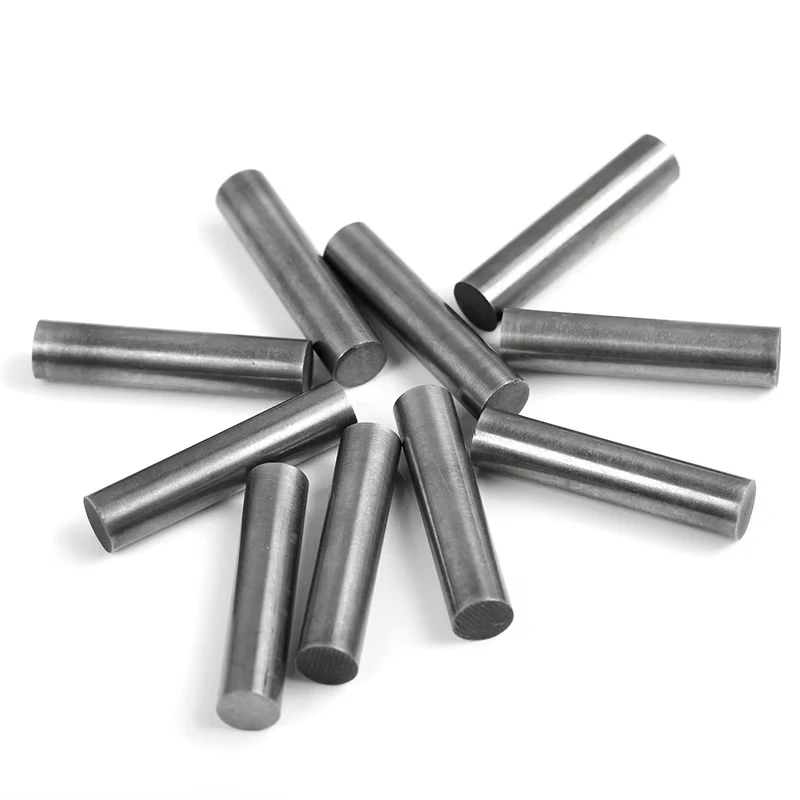
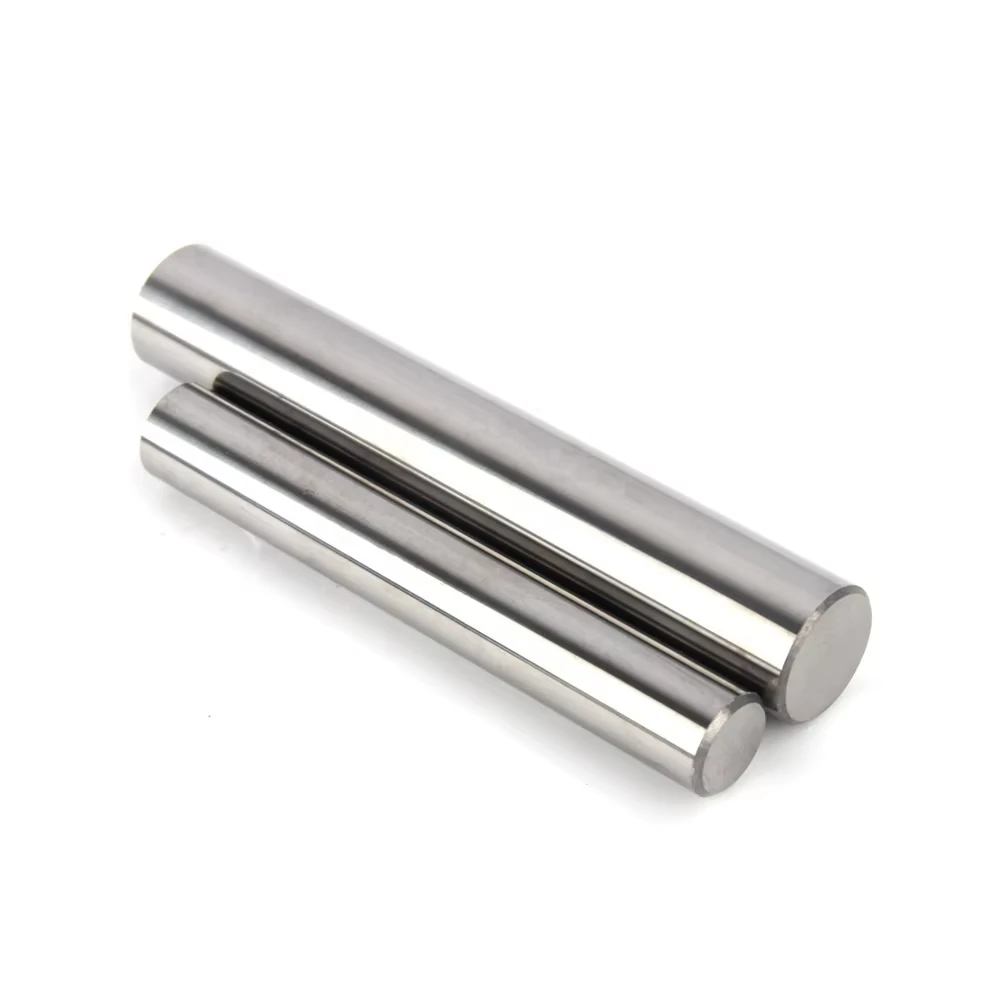
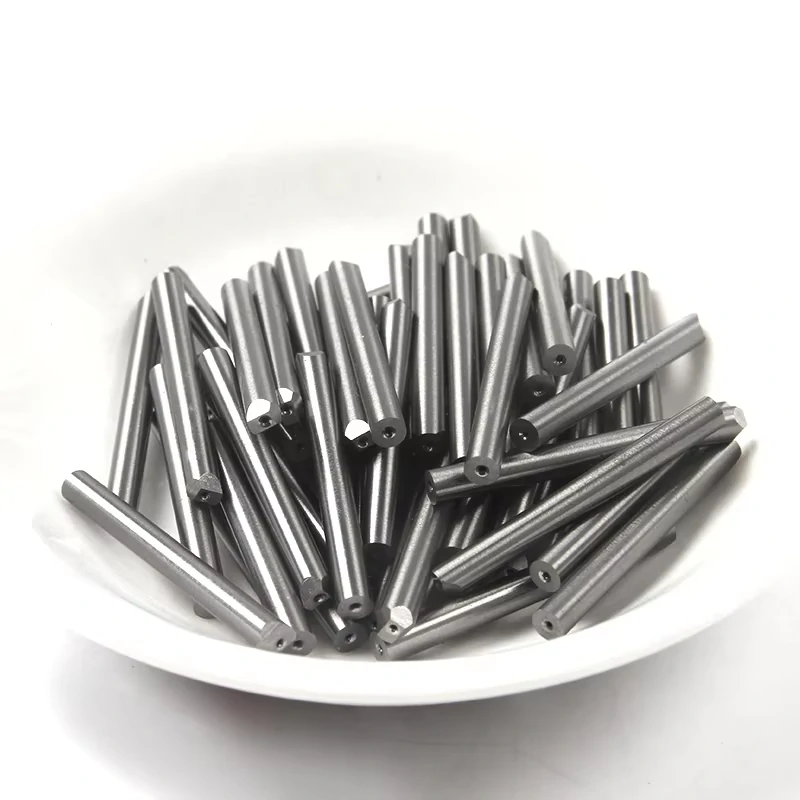
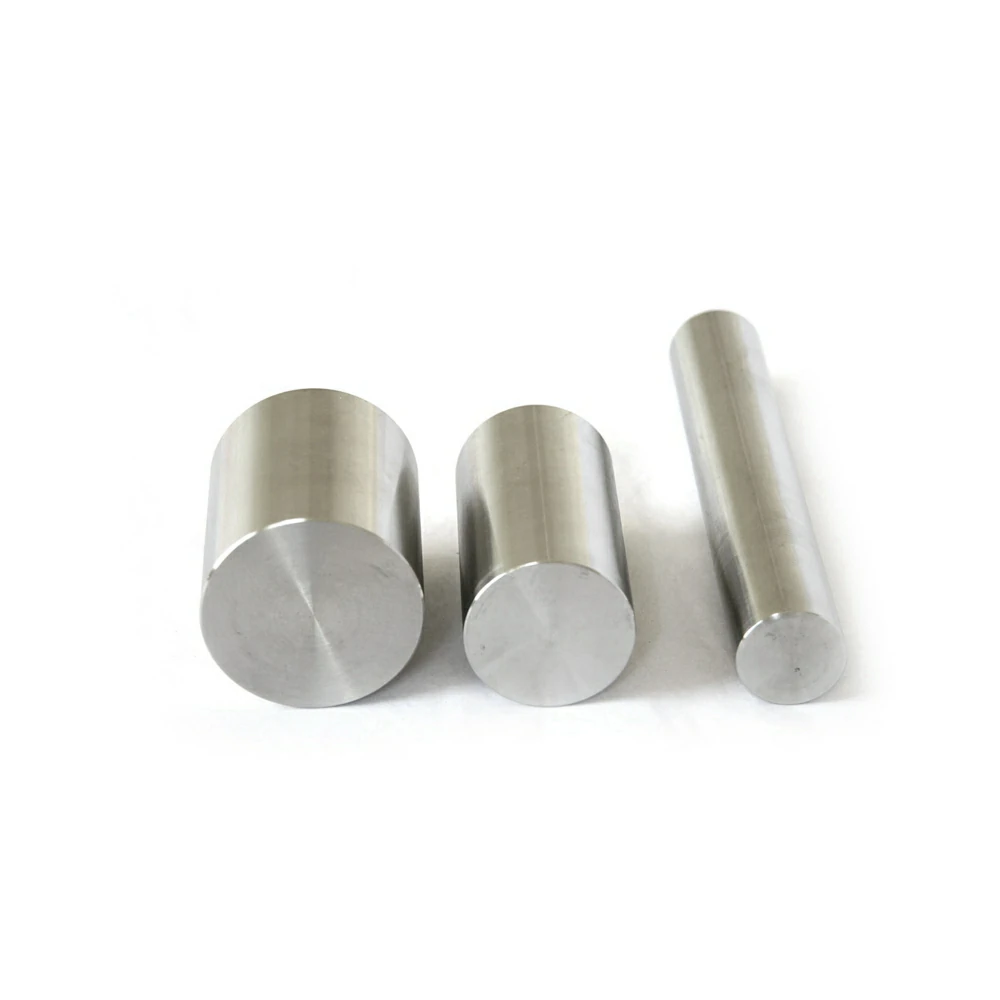
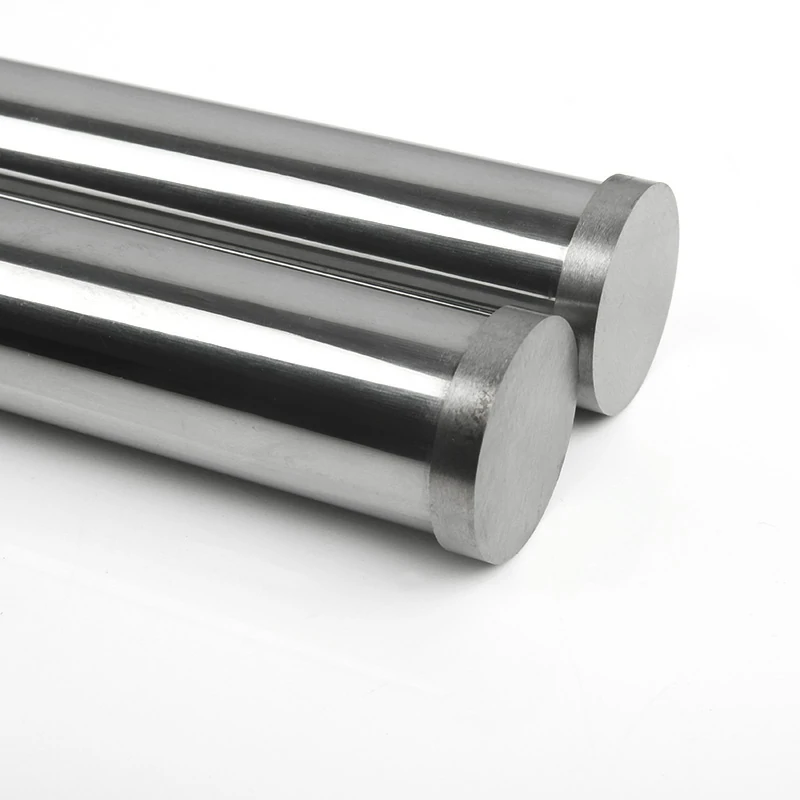
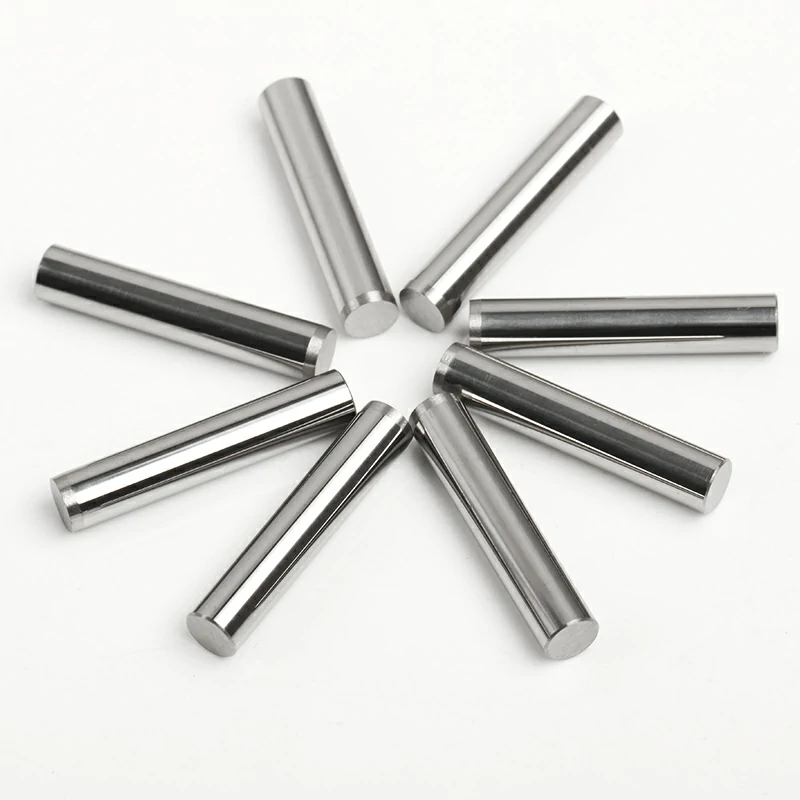
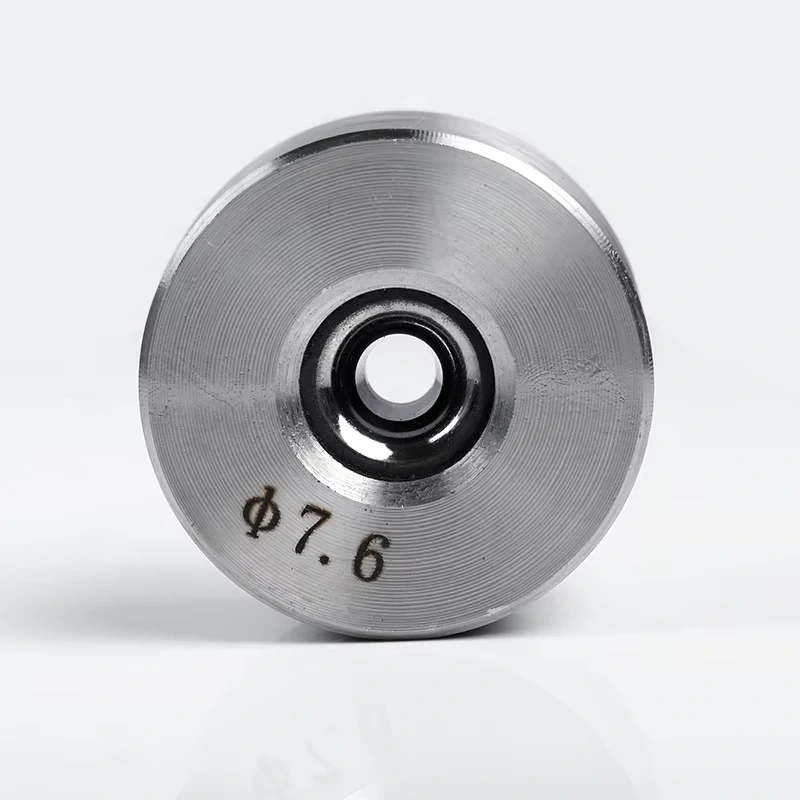
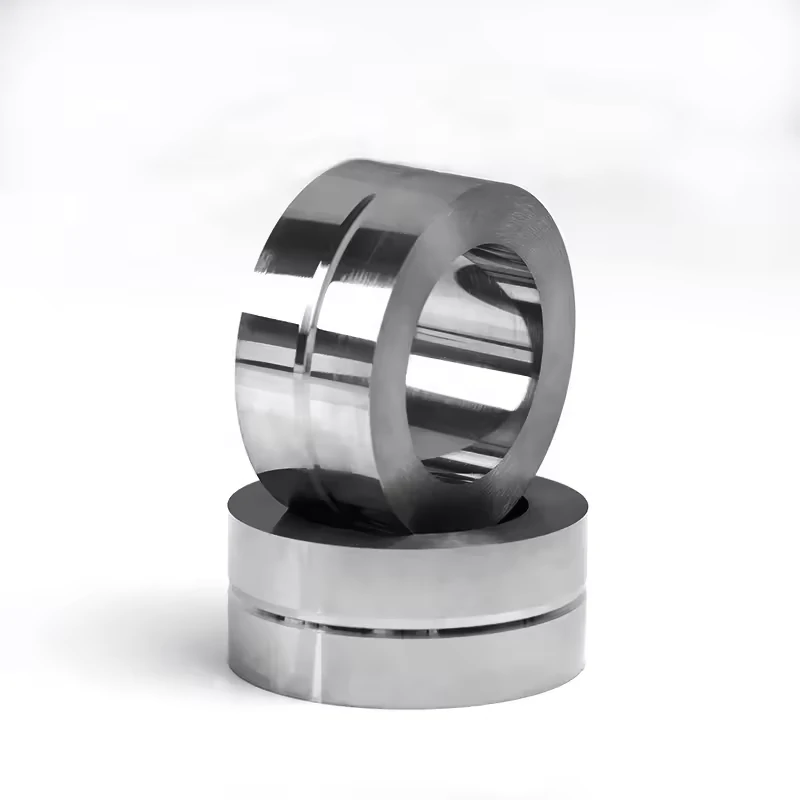
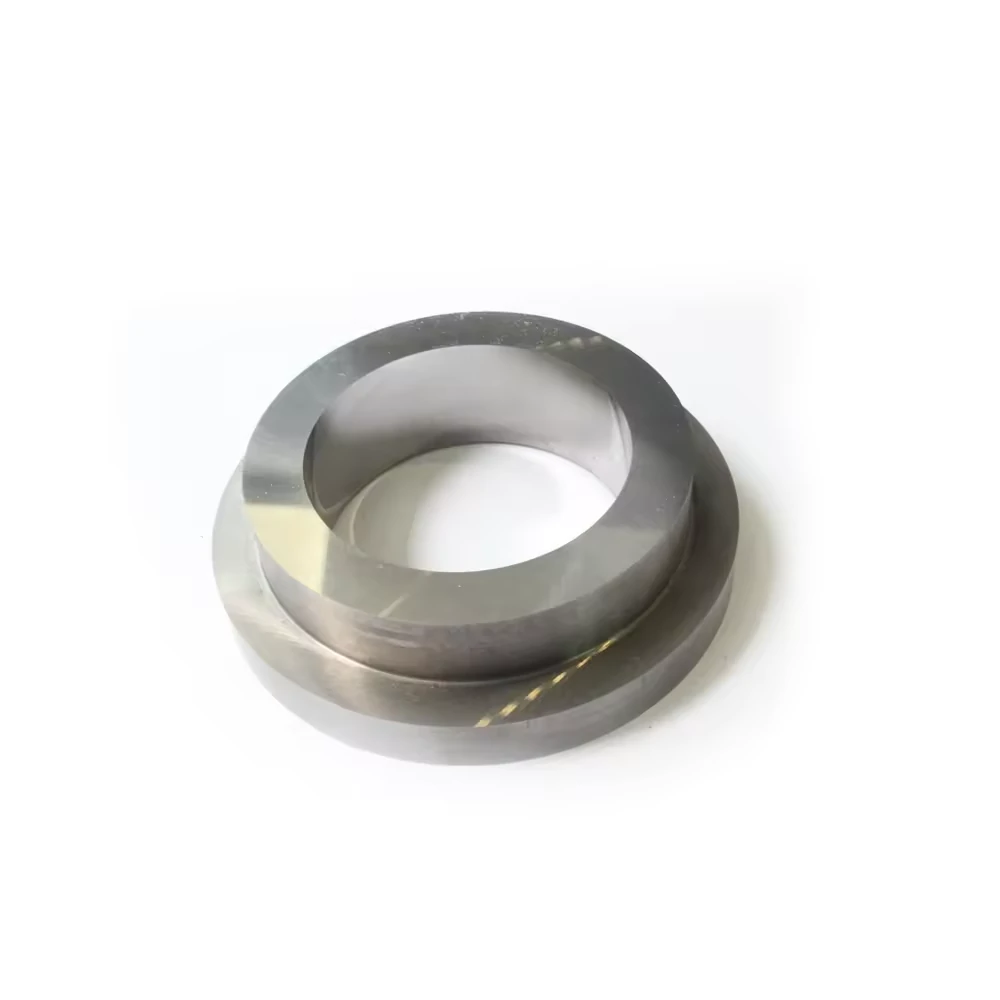
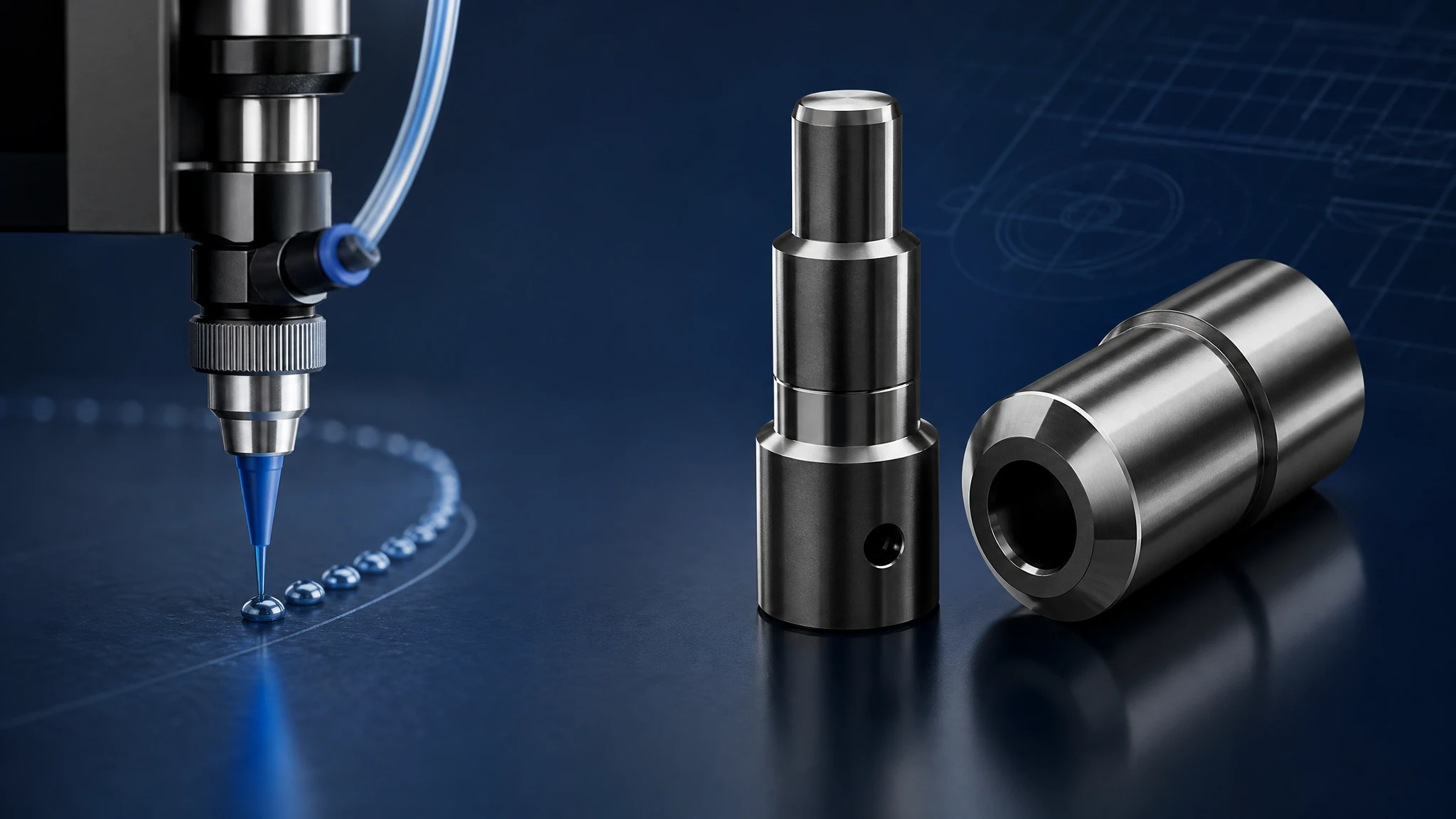
Tungsten carbide dispensing valve components are precision wear parts used in equipment that controls, applies, or dispenses liquids, adhesives, and other process media. The supplied technical material identifies valve cores, valve sleeves, valve tips, valve pads, shafts, piston rods, plunger rods, guide sleeves, and related parts for automated dispensing machinery.
These parts are typically designed as a matched sliding or sealing assembly. A valve core may work with a valve sleeve, while a valve tip or pad may control the contact area where fluid enters or exits the equipment. The exact shape and dimensions vary with the machine structure and the fluid path. For this reason, a product name alone is not sufficient for quotation. Buyers should provide the original drawing, a physical sample, or complete dimensional information.
The product theme in this article is limited to tungsten carbide dispensing valve components for automated fluid control. Oilfield sleeves, sealing wheels, mold sliding sets, and unrelated carbide wear parts should be specified separately because their operating conditions and design requirements are different.
Why Use Carbide in Automated Dispensing Equipment?
Automated dispensing equipment often performs repeated opening, closing, sliding, and positioning actions. Its internal parts may also contact adhesives, coatings, sealants, or other fluids. A suitable cemented carbide component can provide a hard, wear-resistant surface for a precision assembly, while the final performance depends on material grade, geometry, surface condition, fluid compatibility, alignment, and operating practice.
The source material describes the use of tungsten carbide parts in dispensing and fluid-control equipment where high precision, wear resistance, and long-duration operation are required. It also identifies precision grinding and polished surfaces for selected parts. These descriptions should be treated as application information rather than a universal guarantee. The correct material and finish must be confirmed for the specific machine and fluid.
Carbide is especially relevant when a component must maintain a close sliding or sealing relationship over repeated cycles. An unsuitable fit can cause leakage, unstable dispensing, excess friction, or premature wear even when the base material is hard. Buyers should therefore evaluate the part as a complete engineering component rather than selecting it only by a hardness number.
Common Dispensing Valve Component Configurations
The supplied material lists several example configurations for automated glue-dispensing equipment. These examples show the variety of component forms that may be required:
Inlet valve core: approximately Ø9–13 × Ø3 × M3-14 × C0.3 × R0.5 × 30.
Outlet valve core: approximately Ø9–10 × Ø4-3 × 15° × Ø3 × M3-14 × C0.3 × R0.5 × 30.
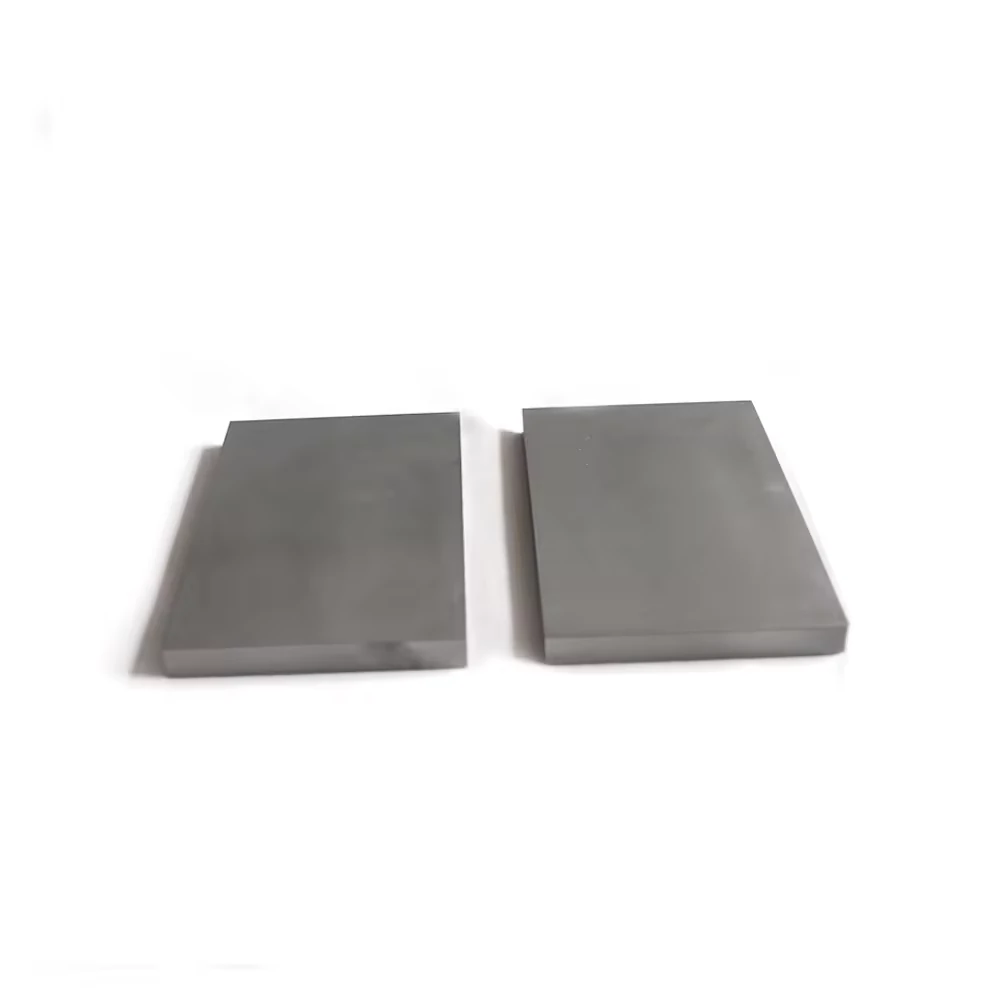
Inlet valve tip pad: approximately Ø12 × Ø6-4.2 × 0.03 angle × 30° × R0.5 × 5.
Outlet valve tip pad: approximately Ø12 × Ø3-4.2 × 0.03 angle × 20° × R0.5 × 5.
Carbide shaft: approximately Ø29-4 × Ø26.7-2.7 × Ø12-28.1 × Ø5.5-24 × Ø12-13.2 × 72.
Piston rod: approximately Ø6 × M5-30 × Ø4 × Ø3 × 5.2 × 143.
Plunger rod: approximately Ø15 × Ø10 × Ø6 × 8 × 137 × R0.5.
Plunger chamber: approximately Ø43 × Ø40 × Ø6 × 40° × 80.
Guide sleeve: approximately Ø24 × Ø20 × Ø8.9 × Ø6 × 27 × 3-Ø4.
These are reference dimensions from the supplied material, not a replacement for the buyer’s drawing. Thread details, stepped diameters, angles, radii, holes, and fit dimensions must be reviewed against the actual dispensing machine before production.
Sliding Fit and Precision Requirements
A dispensing valve assembly may require a controlled sliding fit between the carbide core, sleeve, rod, or guide component. The source material states that selected combinations are produced as matched sets and that grinding is used to meet the required fit. It also lists example requirements such as a 0.03 coaxiality tolerance, 0.02 roundness, 0.03 inclination, 0.03 perpendicularity, 0.02 flatness, and surface roughness down to Ra0.2 for a specified assembly.
These values apply to the described technical examples and should not be copied as a universal specification. The correct tolerances depend on the equipment drawing, fluid path, assembly method, and working clearance. Buyers should identify which dimensions are functional, which surfaces require polishing, and which components must be matched together.
For a sliding assembly, it is useful to confirm the following points before production:
Which parts are supplied as a matched set.
The nominal and tolerance dimensions for each mating surface.
The required coaxiality, roundness, flatness, and perpendicularity.
The surface roughness required for sealing or sliding areas.
The thread form, shoulder position, holes, angles, and radii.
The inspection method and reference drawing.
Applications in Automated Fluid Control
Tungsten carbide dispensing valve components are used in automated equipment that applies or controls fluids during industrial production. The source material specifically describes glue-dispensing and fluid-control machinery, including systems that dispense, coat, seal, or encapsulate liquids onto or into a product.
Adhesive and glue dispensing
Valve cores, sleeves, tips, and pads can be used in equipment that controls the flow of adhesive. The component geometry determines how the valve opens, closes, and interfaces with the fluid path. A drawing-based replacement helps keep the mounting and fluid connection consistent with the original machine.
Precision coating and fluid application
Automated machinery may apply a controlled layer of liquid or coating to a workpiece. In these systems, wear or damage at a valve surface can affect flow stability. The selection should consider the fluid, pressure, cycle frequency, and required application pattern.
Potting and encapsulation equipment
Dispensing machinery can also be used to fill, pot, or encapsulate products. These applications may involve repeated movement and contact with process materials. Buyers should confirm the chemical environment and cleaning method before selecting the carbide grade and surface finish.
Electronic and 3C manufacturing equipment
The supplied information connects precision carbide dispensing components with automated equipment used in electronic manufacturing. For such equipment, buyers should provide the machine model, component drawing, fluid type, and assembly requirements rather than relying only on a general product label.
How to Choose the Right Carbide Valve Part
Start with the machine function. Determine whether the component is an inlet valve core, outlet valve core, valve tip, valve pad, shaft, piston rod, plunger rod, chamber, or guide sleeve. Similar-looking components may have different flow paths, threads, shoulders, and mating surfaces.
Next, confirm the media. State whether the part contacts adhesive, sealant, coating, potting compound, solder-related material, or another fluid. Include viscosity or cleaning information when it is available and relevant. Chemical compatibility and surface condition should be assessed for the actual process rather than assumed from the word “carbide.”
Then verify the geometry and fit. Supply the drawing, sample, or a complete dimensional record. Pay attention to coaxiality, roundness, flatness, perpendicularity, surface roughness, thread details, and the relationship between matched parts. If a valve core and sleeve must slide together, they should be reviewed as an assembly.
Finally, agree on inspection and delivery requirements. Confirm which dimensions are critical, how the parts will be checked, whether matched parts must remain paired, and what packaging is needed to protect polished surfaces during shipment.
Purchasing Checklist for B2B Buyers
A useful quotation request for carbide dispensing valve components should include:
Machine name, model, and application.
Component name and function.
Original drawing or physical sample.
Complete dimensions, threads, angles, radii, and holes.
Mating component information for sliding or sealing assemblies.
Fluid or adhesive type and relevant process conditions.
Required material grade, if already confirmed by the equipment designer.
Critical tolerances and surface roughness requirements.
Quantity, repeat-order expectation, packaging, and inspection needs.
Do not request a material grade or performance value only because it appears in a general product description. The source lists several physical parameter ranges for carbide materials, but the correct grade must be matched to the component design and working condition. HAO CARBIDE can review confirmed technical information and discuss a suitable drawing-based manufacturing route.
Before ordering, ask the supplier to repeat the confirmed dimensions and critical inspection points in the quotation or order confirmation. If a core and sleeve must be supplied as a matched set, identify the pairing clearly and keep the approved drawing or sample reference for repeat orders. This helps prevent confusion between inlet and outlet parts, especially when a project contains several similar-looking valve components. The purchase brief should also separate confirmed requirements from items that still require technical review.
HAO CARBIDE Support for Custom Valve Components
HAO CARBIDE can support industrial buyers seeking customized tungsten carbide dispensing valve components according to drawings or samples. The practical focus is on one defined component or one matched assembly, such as an inlet valve core and sleeve, an outlet valve core and pad, or a precision guide sleeve and rod.
When contacting HAO CARBIDE, share the machine interface, component function, fluid application, drawing, sample details, and order quantity. This allows the product discussion to focus on the actual fit and operating requirements. Any material grade, tolerance, inspection method, certification, delivery term, or performance claim should be confirmed for the specific order before production.
For a first inquiry, it is useful to identify the single part or matched set that should be reviewed first. Include photos only as supporting evidence; dimensions, threads, fit relationships, and the original drawing remain more reliable for production discussion. HAO CARBIDE can help organize the requirement around the dispensing machine interface and the working fluid, while the final technical specification remains subject to confirmation for the individual order.
Frequently Asked Questions
What are tungsten carbide dispensing valve components used for?
They are used in automated equipment for controlling, dispensing, coating, potting, sealing, or encapsulating fluids such as adhesives and other process media.
Which parts can be made from carbide for a dispensing machine?
The supplied material lists valve cores, valve sleeves, valve tips, valve pads, shafts, piston rods, plunger rods, chambers, guide sleeves, and related precision parts. The actual part must be confirmed from a drawing or sample.
Do valve cores and sleeves need to be supplied as a matched set?
Some assemblies require a controlled sliding or sealing fit between the core and sleeve. If the parts work together, provide both drawings or samples and ask the supplier to review them as a matched assembly.
What information should I send for a quotation?
Send the machine model, component function, drawing or sample, dimensions, critical tolerances, fluid type, required quantity, and any inspection or packaging requirements.
Can HAO CARBIDE make non-standard dispensing valve parts?
HAO CARBIDE can review drawing-based or sample-based requirements for customized carbide components. The final material, tolerance, and manufacturing details must be confirmed for the specific application.
Request a Tungsten Carbide Dispensing Valve Component Quote
Send HAO CARBIDE your dispensing machine drawing, valve component sample, fluid application, critical dimensions, and order quantity. Our team can review the requirement for a tungsten carbide valve core, sleeve, tip, pad, rod, or matched precision assembly and discuss a suitable custom manufacturing solution before production.
To speed up the technical review, state whether the requested part is an inlet or outlet component, whether it slides against a mating carbide part, and which dimensions are functionally critical. Include the required quantity and any repeat-order reference. A clear drawing or sample gives HAO CARBIDE a practical basis for checking the component shape, fit, and manufacturing details before quotation.
If several parts are needed for one dispensing unit, list them by function and identify their mating relationships instead of combining them under a general request for “carbide parts.” This keeps the scope focused on the dispensing valve assembly and helps separate confirmed dimensions from details that still need review. Contact HAO CARBIDE with the drawing or sample to begin the product discussion.