Precision Tungsten Carbide Plates for Stamping Dies and Wear Parts
Writer: admin Time:2026-11-02 11:52:58
Precision Tungsten Carbide Plates for Stamping Dies and Wear Parts
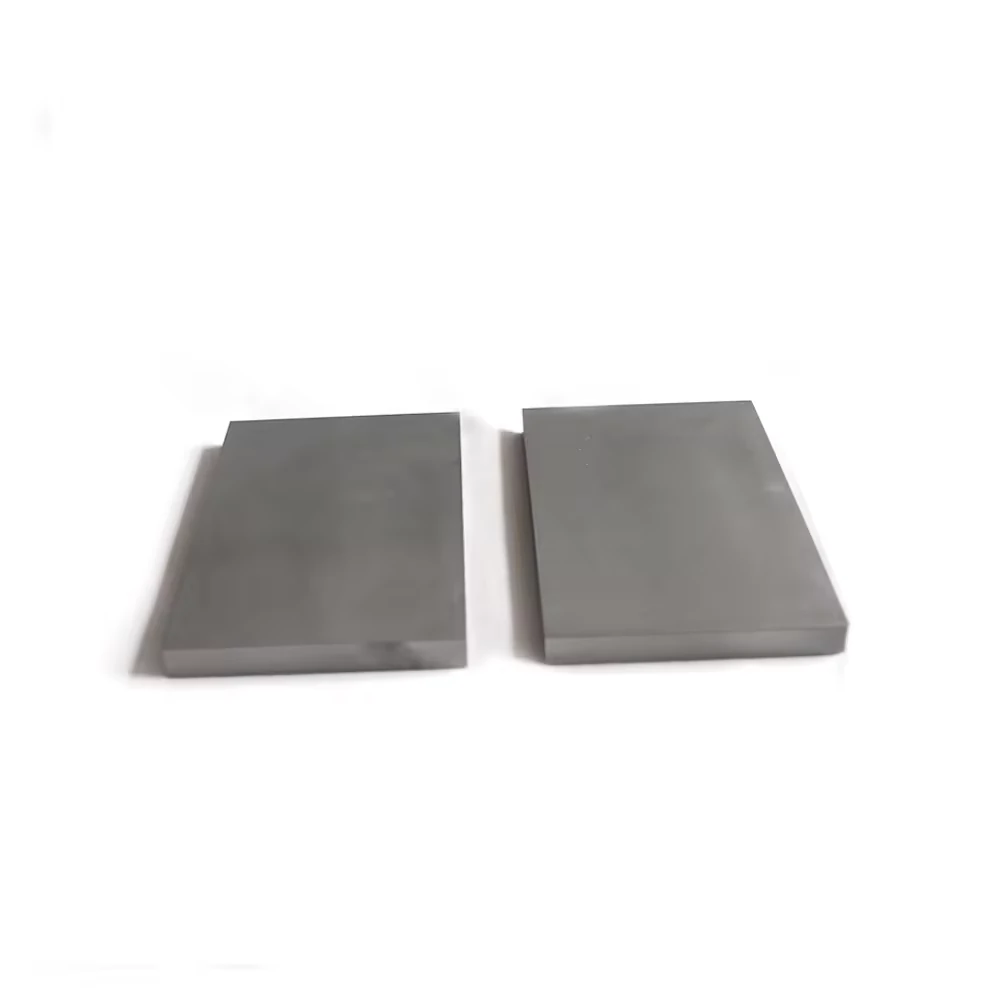
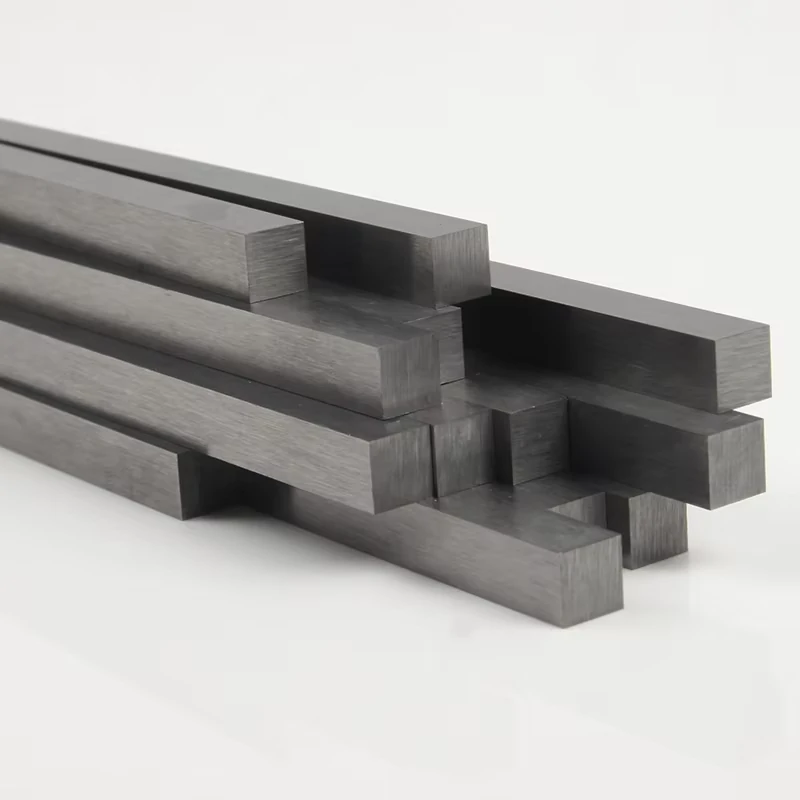
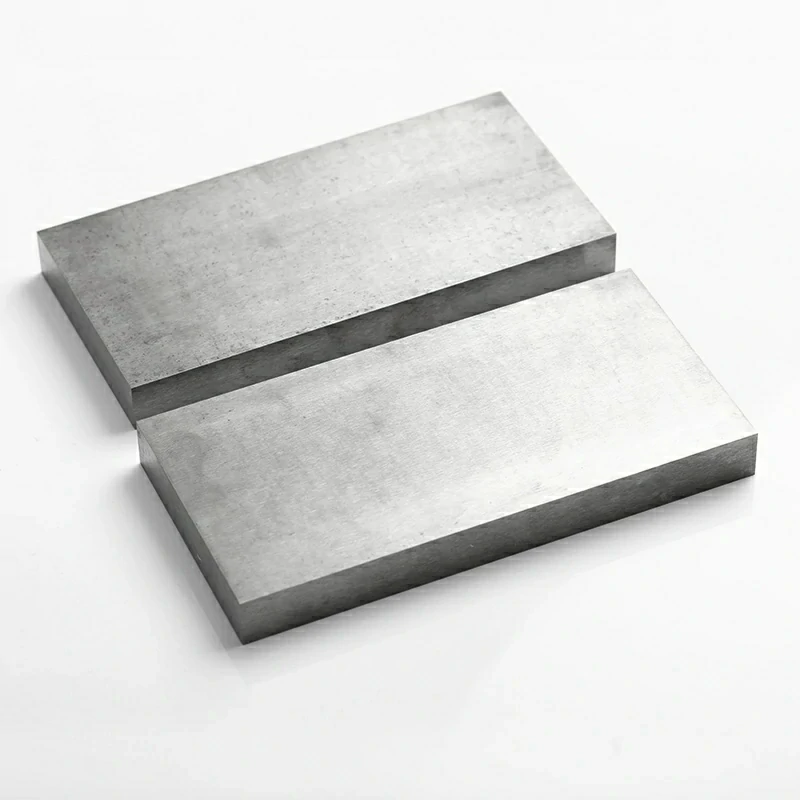
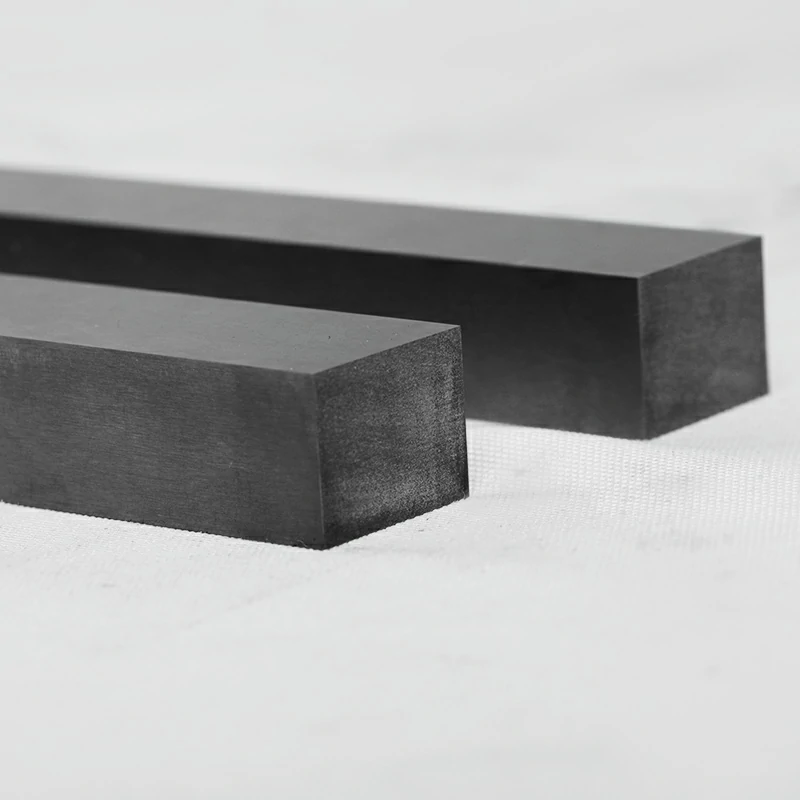
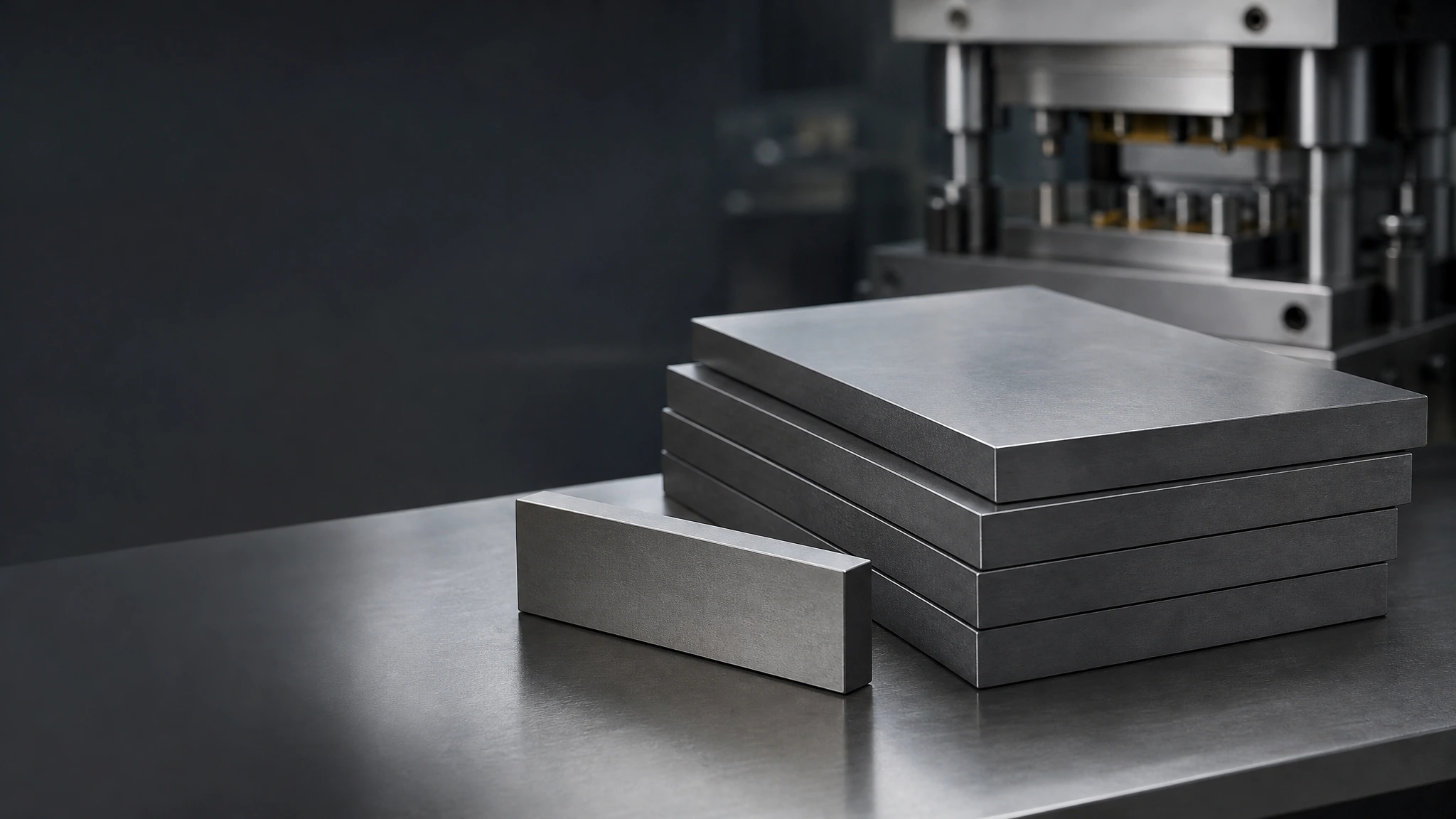
Tungsten carbide plates are widely used as wear-resistant material blanks for stamping dies, forming tools, cutting components, and industrial wear parts. When a project requires a hard, dimensionally stable plate that can be ground or further machined to a defined geometry, the right carbide grade, blank size, and finishing allowance become important purchasing decisions.
HAO CARBIDE supplies customized tungsten carbide plates for industrial buyers who need reliable material for tooling and wear applications. Depending on the application, plates can be supplied as blanks or with precision grinding requirements defined by the buyer’s drawing, sample, or production process.
What Are Tungsten Carbide Plates?
Tungsten carbide plates are cemented carbide components produced from hard carbide particles and a metallic binder. Their combination of hardness, compressive strength, wear resistance, and chemical stability makes them suitable for applications where conventional tool steel may wear too quickly.
In practice, a carbide plate is not selected only by its length, width, and thickness. The material grade, binder content, carbide grain structure, working load, counter material, operating temperature, and finishing method all influence the final performance of the component.
Why Use Carbide Plates in Stamping Dies?
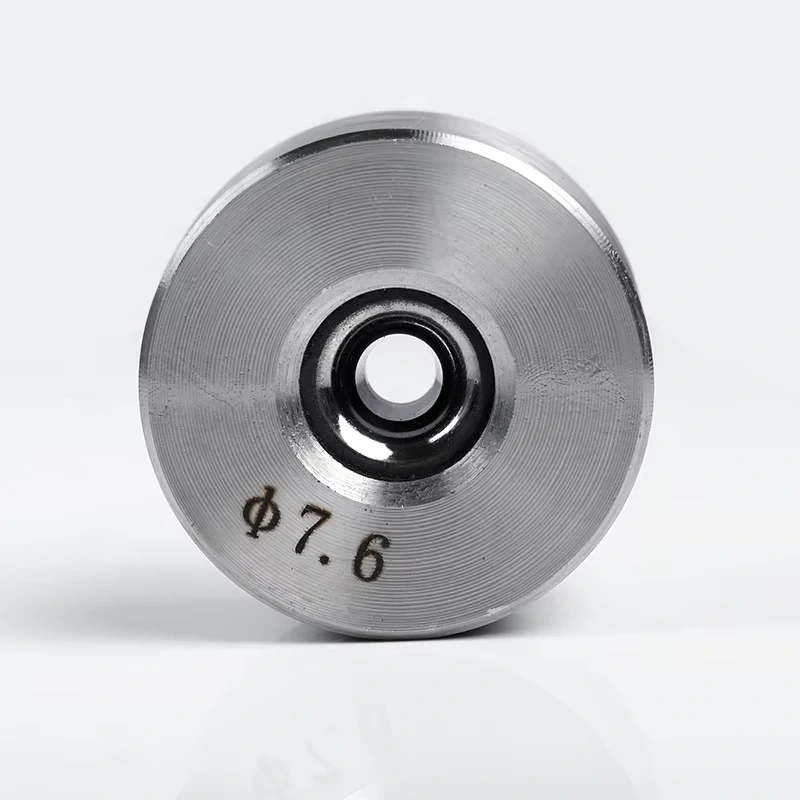
Stamping and forming operations can expose die components to repeated impact, sliding contact, edge loading, and abrasive wear. A properly selected tungsten carbide plate can be used as a material base for die inserts, punch components, cutting edges, and other tooling elements that require a wear-resistant working surface.
High hardness: supports resistance to abrasive wear in repeated production cycles.
Dimensional stability: helps maintain the working geometry after precision grinding and fitting.
High compressive strength: supports tooling surfaces exposed to concentrated forming loads.
Material flexibility: different carbide grades can be considered for different balances of wear resistance and toughness.
Common Applications
Stamping and Progressive Dies
Carbide plates can be used for blanking, punching, shearing, forming, and other die components. Buyers should match the grade and geometry to the sheet material, production speed, edge design, and expected loading pattern.
Wear Parts and Machine Components
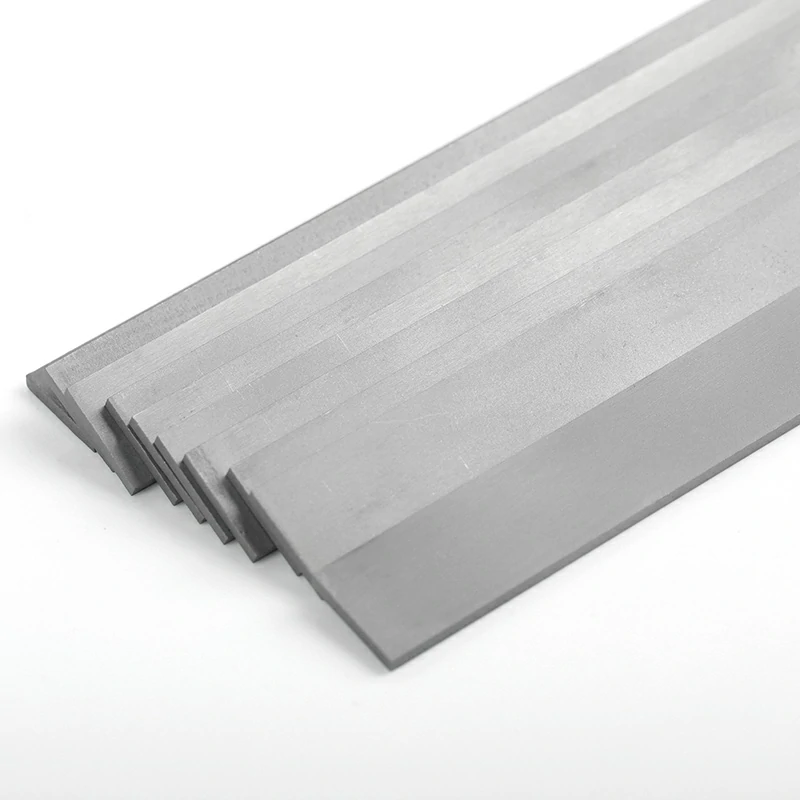
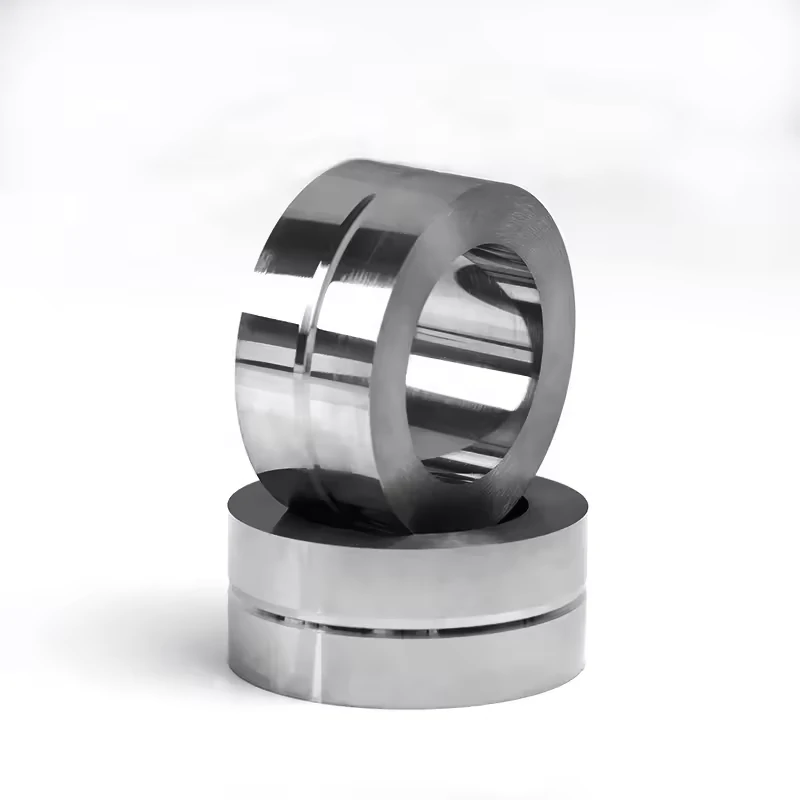
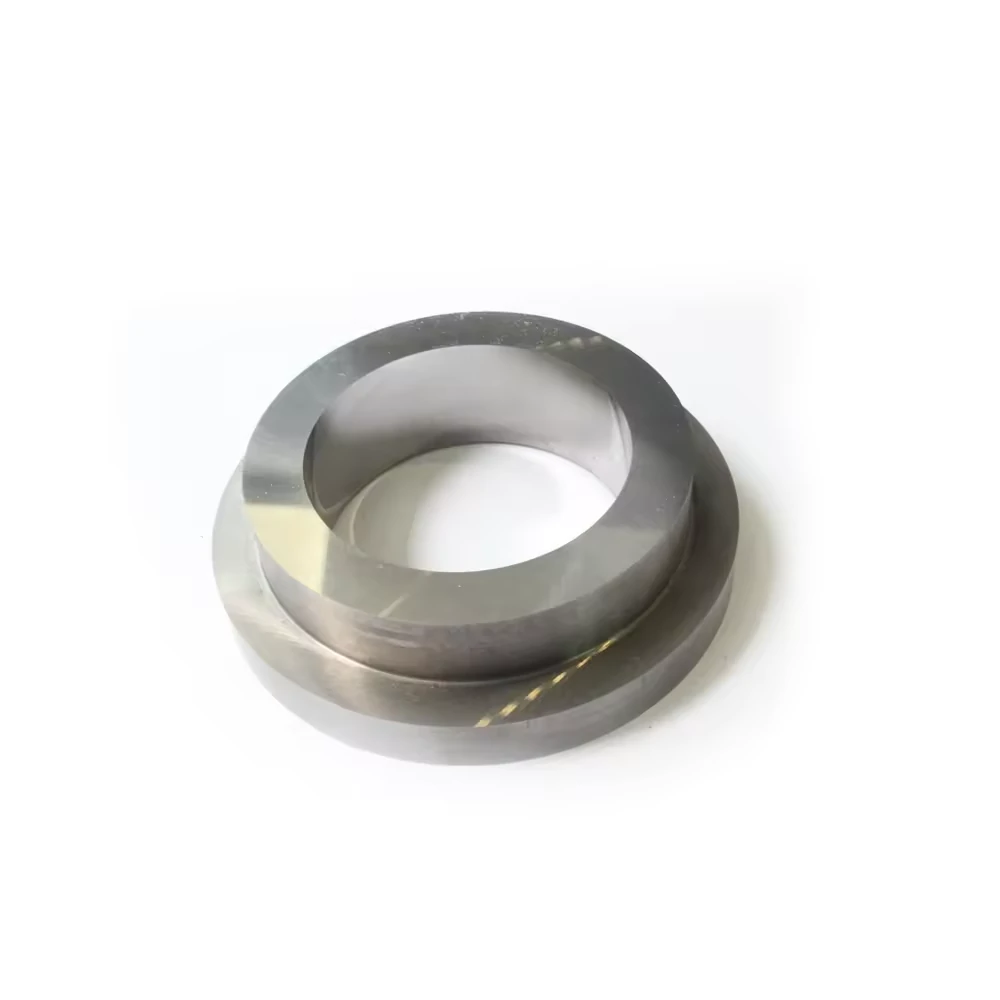
Ground carbide plates can also serve as wear-resistant inserts, guide components, sliding surfaces, and replacement parts in equipment exposed to friction or abrasive media.
High-Temperature and Corrosion-Exposed Parts
For selected industrial environments, cemented carbide may be considered for components that require a combination of hardness, wear resistance, and chemical stability. The final grade should be confirmed against the actual medium and temperature.
Precision Grinding and Custom Dimensions
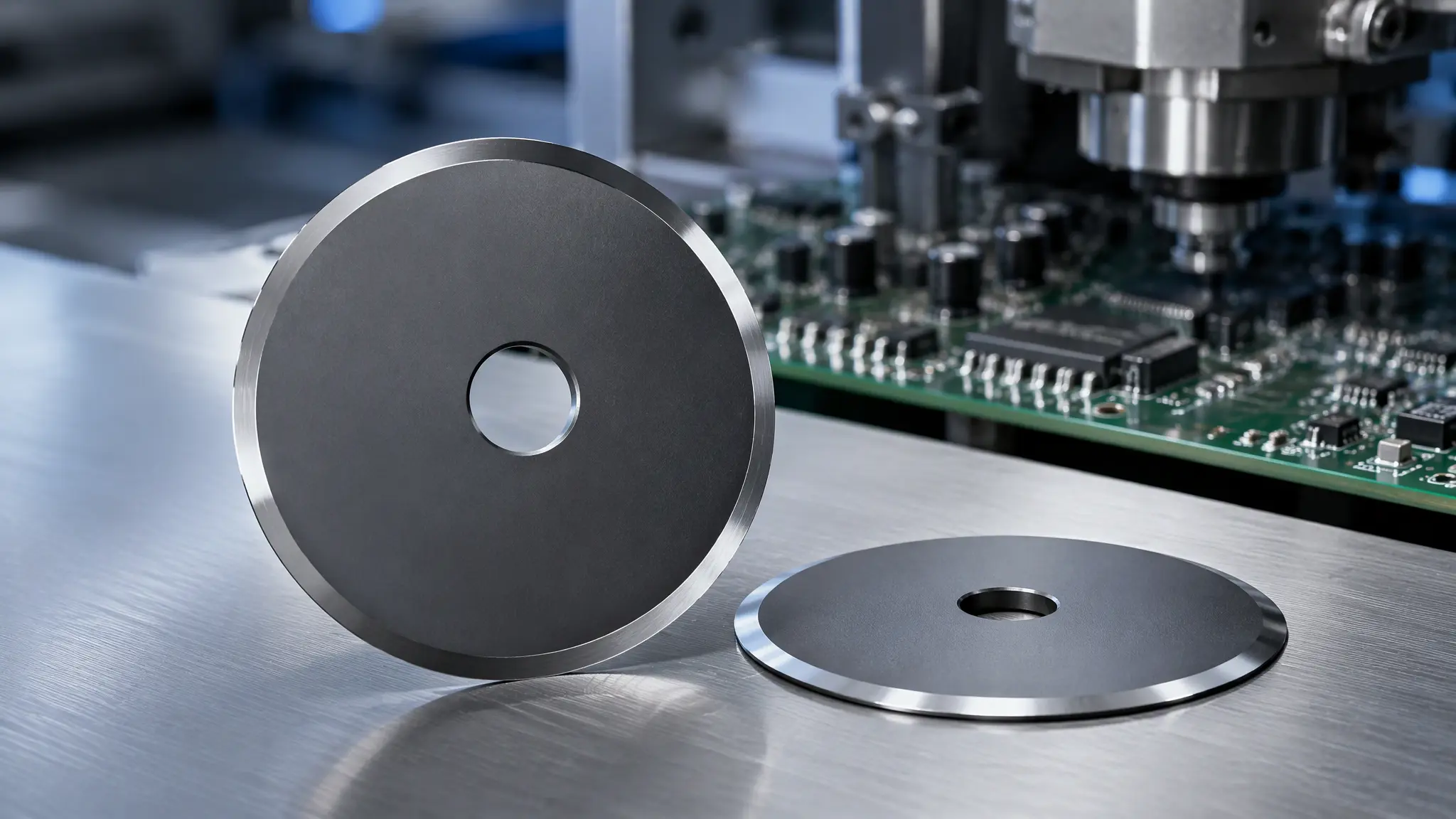
Standard plate blanks may not match the dimensions required by a die or machine assembly. Custom production can be based on a technical drawing, sample, or specified length, width, thickness, flatness, and surface-finish requirements.
Precision grinding is especially important when the plate becomes part of a fitted die assembly. Before requesting a quote, provide the finished dimensions, allowable tolerances, reference surfaces, edge conditions, surface finish, quantity, and whether the part will receive additional wire EDM, grinding, brazing, or mechanical fixing.
How to Select the Right Carbide Plate
Define the application: identify whether the plate is for stamping, cutting, forming, sliding wear, impact wear, or another duty.
Describe the counter material: provide the sheet metal, abrasive medium, mating tool, or workpiece involved.
Balance wear resistance and toughness: extremely wear-resistant grades may not be the first choice where impact or edge loading dominates.
Confirm the finished geometry: distinguish between a sintered blank, a ground blank, and a fully finished component.
Share drawings or samples: this helps the supplier review dimensions, tolerances, machining allowance, and inspection requirements.
Ordering Custom Tungsten Carbide Plates from HAO CARBIDE
HAO CARBIDE supports custom carbide product discussions for overseas B2B buyers. To evaluate a tungsten carbide plate project, send the drawing or sample together with the intended application, material being processed, operating conditions, required quantity, and target delivery information.
After the requirements are reviewed, the supply proposal can define the recommended material direction, blank or finished dimensions, grinding scope, inspection points, packaging, and delivery terms. Any specific grade, tolerance, or performance value should be confirmed for the individual project rather than assumed from a general catalogue description.
FAQ
What are tungsten carbide plates used for?
They are used as material blanks or finished inserts for stamping dies, forming tools, cutting components, wear parts, guides, and other industrial components that require wear resistance and dimensional stability.
Can carbide plates be made to custom dimensions?
Custom dimensions can be discussed according to a drawing, sample, or detailed specification. The quotation should distinguish between sintered blank dimensions and finished ground dimensions.
Should I order a carbide blank or a precision-ground plate?
That depends on your machining route and assembly requirements. A blank may be suitable when the buyer will complete the final machining; a precision-ground plate may reduce downstream processing when the finishing requirements are clearly defined.
How do I choose a grade for a stamping die?
Consider the workpiece material, sheet thickness, production speed, impact level, edge geometry, wear mode, and failure risk. Share these details with the supplier before selecting a grade.
Can HAO CARBIDE manufacture according to drawings or samples?
HAO CARBIDE can discuss drawing-based or sample-based custom carbide requirements. Send the technical information for a project-specific review.
Request a Carbide Plate Recommendation
If you are sourcing tungsten carbide plates for stamping dies, wear parts, or custom industrial tooling, send HAO CARBIDE your drawing, sample, dimensions, and application details. Our team can review the requirement and discuss a suitable carbide plate supply solution.