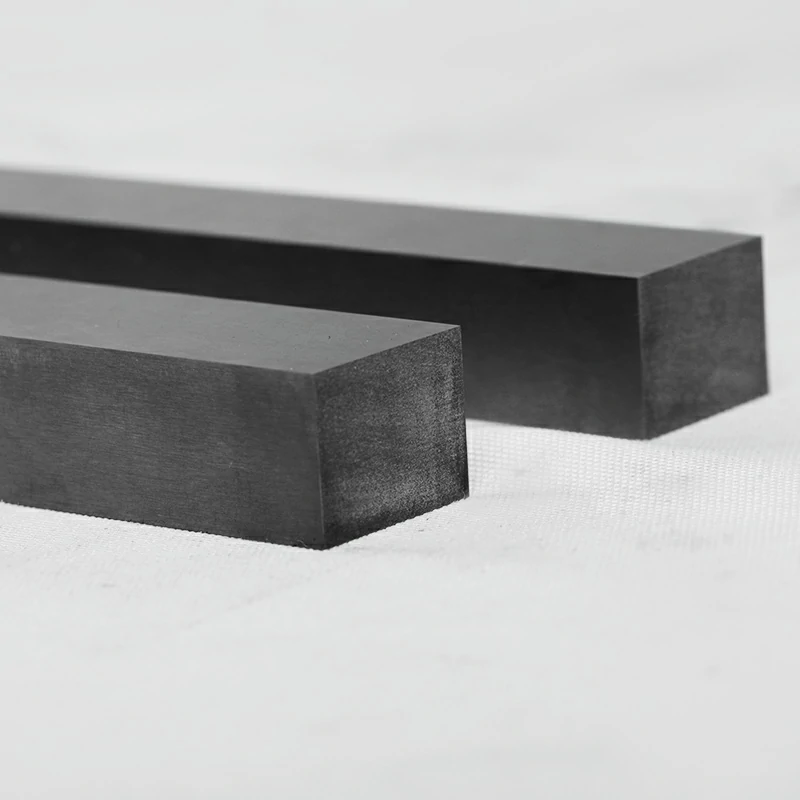
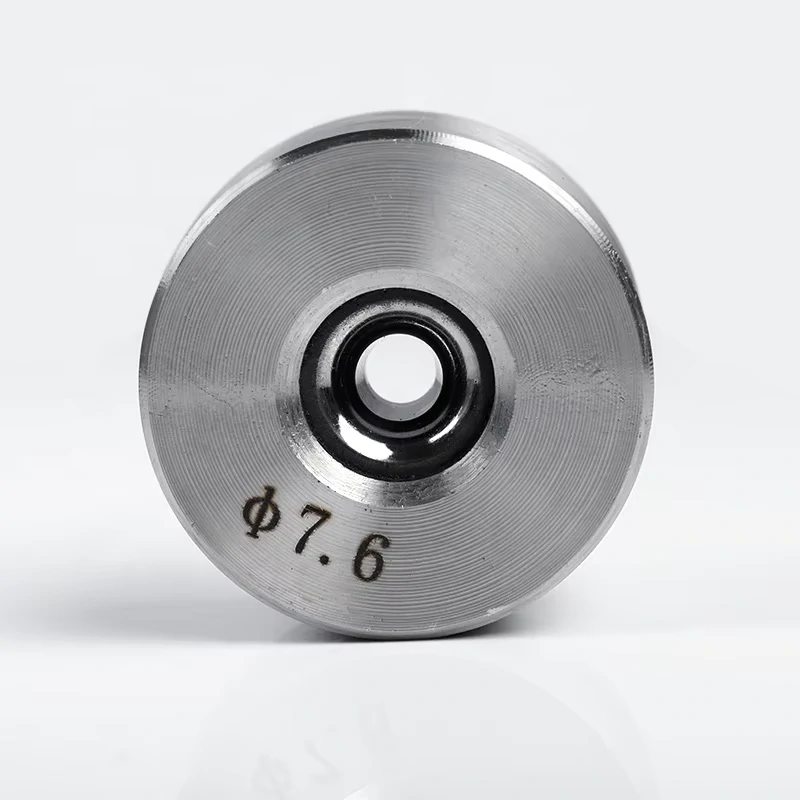
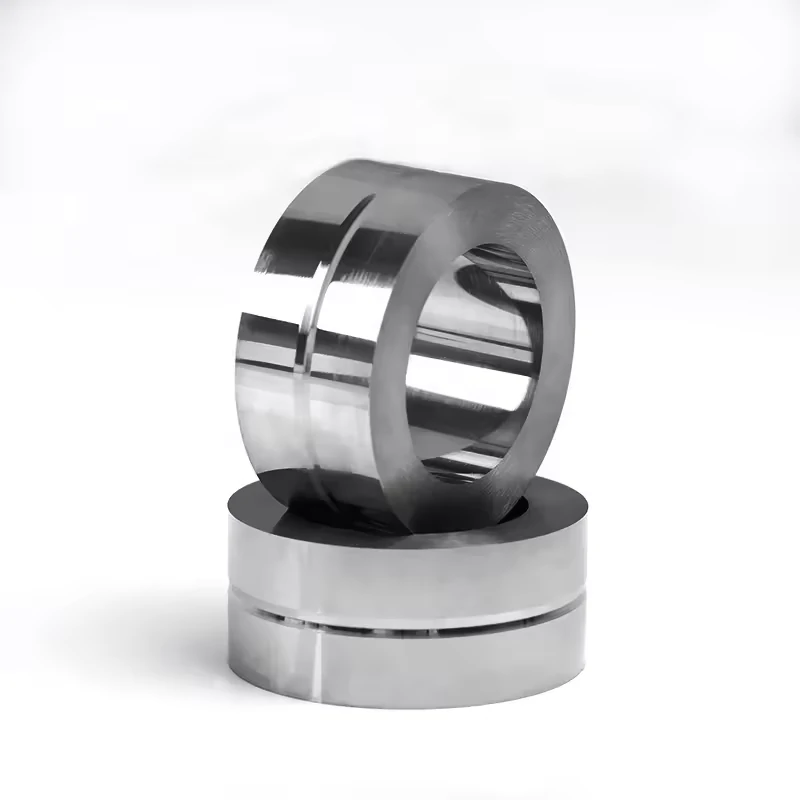
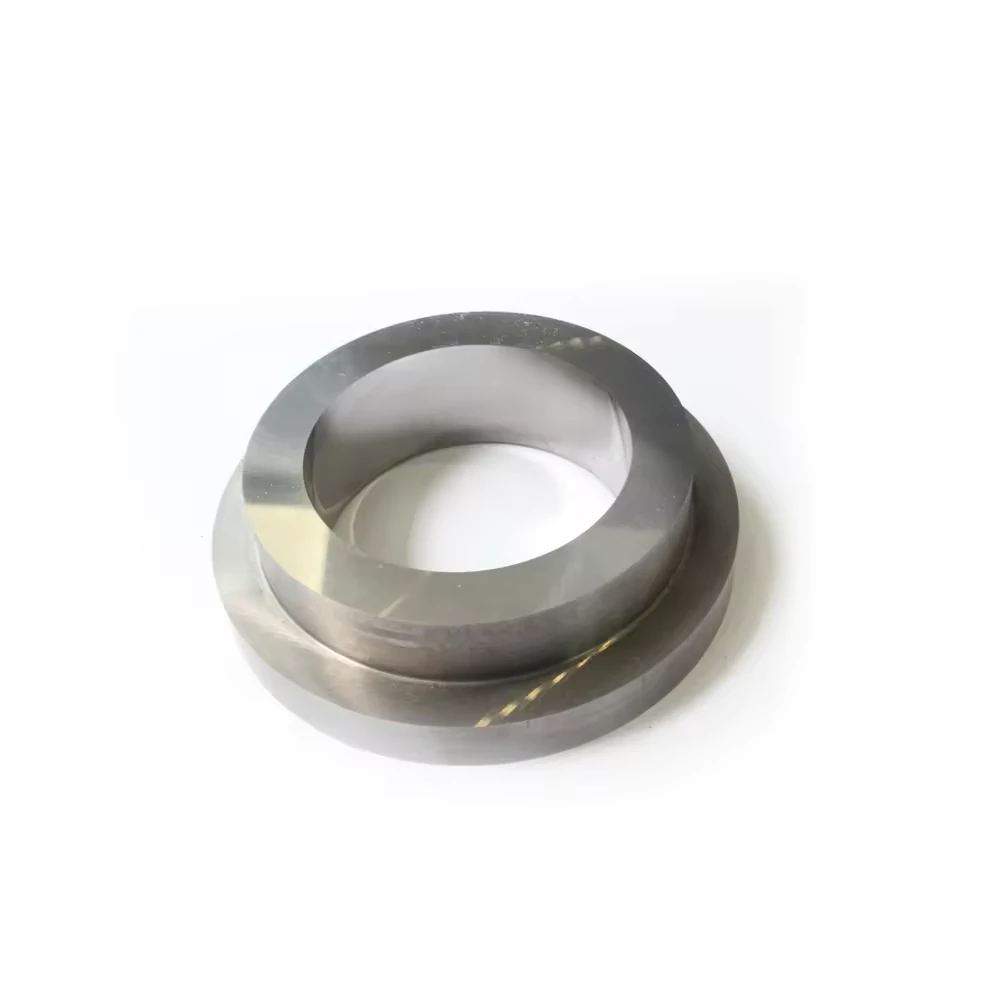
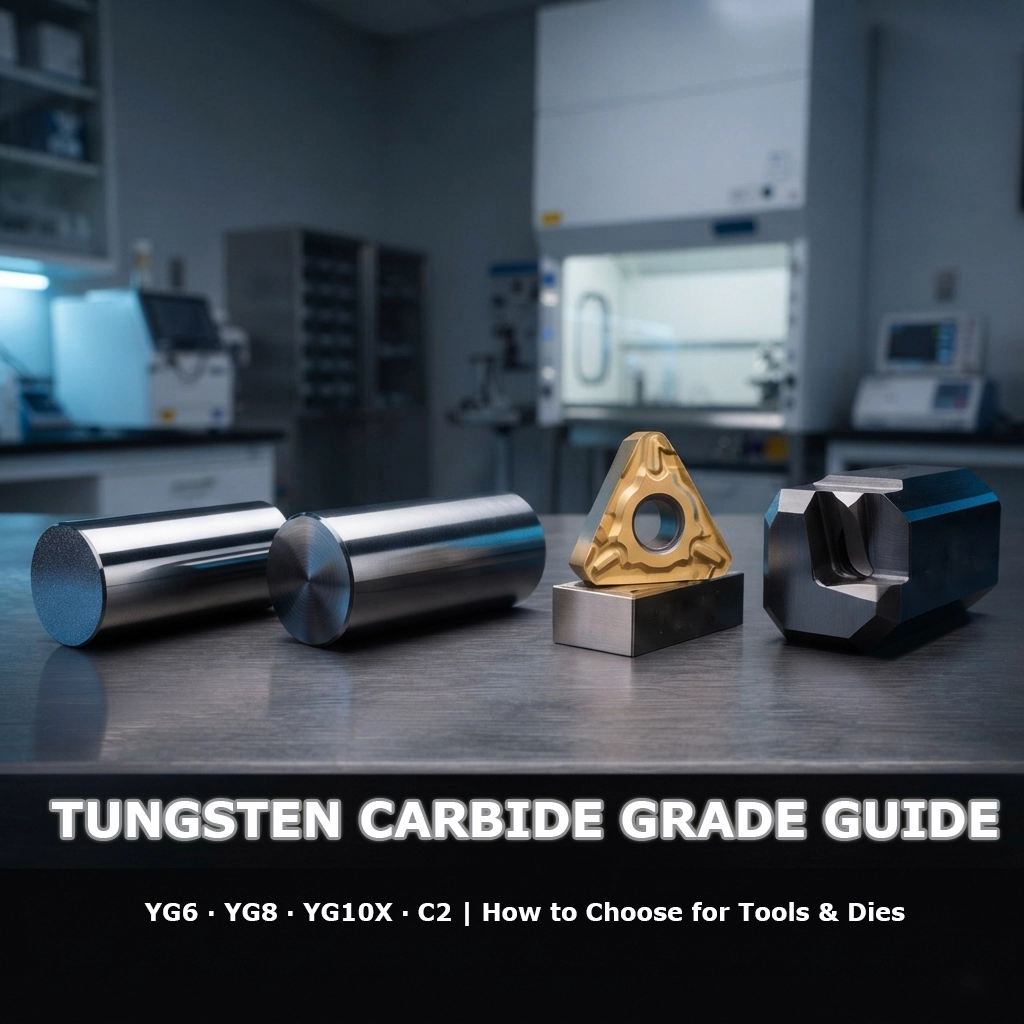
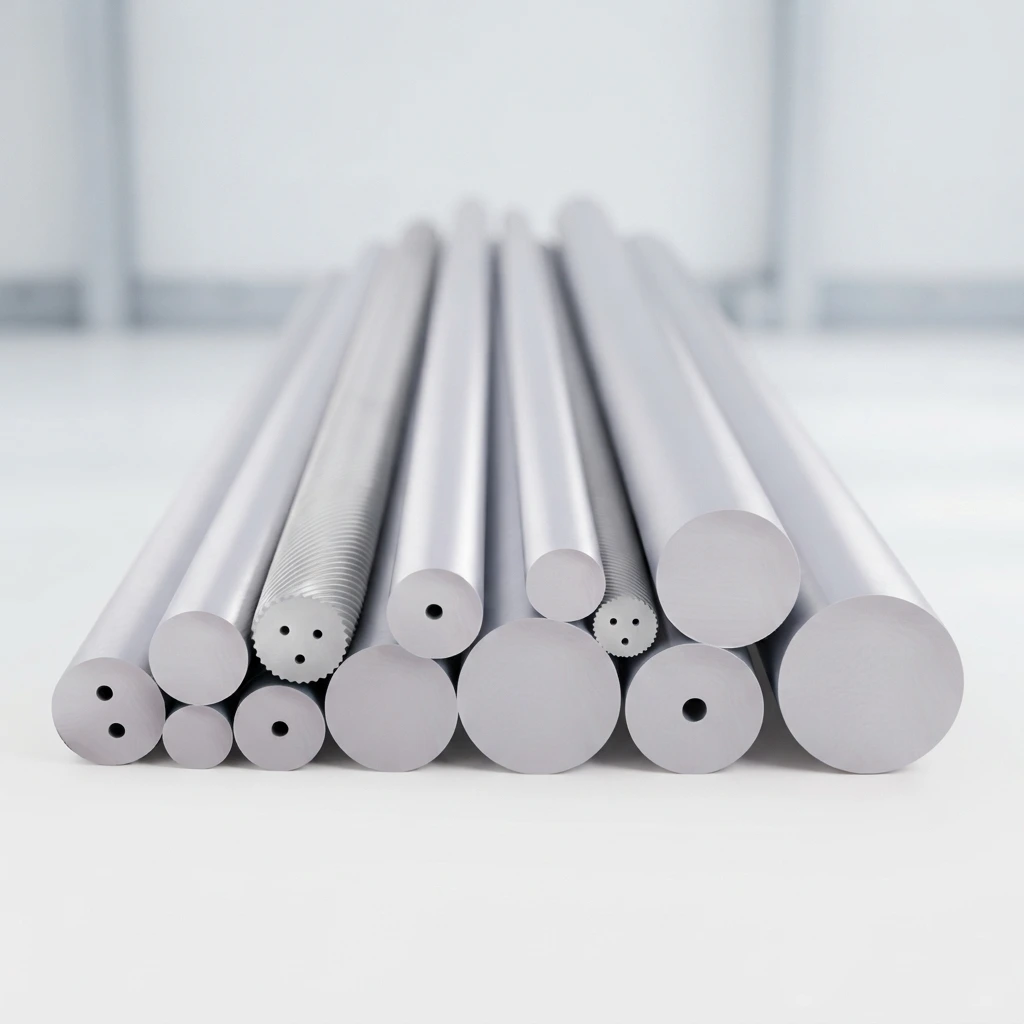
Tungsten Carbide Grade Guide: Comparing YG6, YG8, YG10X & C2
Writer: admin Time:2026-09-20 14:14:59
When engineering industrial cutting tools, cold-heading dies, or high-wear components, choosing the correct material grade is just as critical as the tool’s geometry. Selecting a grade that is too hard leads to premature edge chipping or catastrophic fracture; selecting one that is too tough leads to rapid abrasive wear and frequent tool changes.
However, navigating the global market for cobalt cemented tungsten carbide can be confusing. Machine shops and procurement managers frequently encounter different grading systems across regions—such as the Chinese YG system, the US C-grade system, and international ISO standards.
At HAO Carbide, located in Zhuzhou—the heart of China's tungsten carbide manufacturing industry—we formulate and press dozens of specialized tungsten carbide grades. In this technical guide, we break down the metallurgical differences, physical specifications, and application envelopes of four of the most widely specified grades: YG6, YG8, YG10X, and C2.
Decoding the Grading Standards: China GB vs. US Industry vs. ISO
Before comparing mechanical properties, it is essential to understand how these naming conventions originate:
The Chinese "YG" System (GB Standard):
"Y" stands for Ying (Hard/Carbide).
"G" stands for Gu (Cobalt binder).
The number represents the nominal percentage of Cobalt by weight. For example, YG6 contains ~6% Cobalt, while YG8 contains ~8% Cobalt.
Suffix letters denote grain structure: "X" stands for Xi (Fine or Sub-micron grain), as seen in YG10X.
The US "C" Grade System (ANSI/Cemented Carbide Producers Association):
Traditionally ranges from C1 to C16.
Grades C1 through C4 are designated for non-ferrous materials, cast iron, and non-metallic wear parts (WC-Co binary alloys without added titanium/tantalum carbides).
C2 carbide is widely recognized across North America as a general-purpose, non-steel cutting and wear-resistant grade.
The ISO Standard:
Uses color and letter codes: K-group (Red) for cast iron and non-ferrous metals, corresponding directly to binary WC-Co grades like YG6, YG8, and C2.
Comprehensive Grade Comparison Table
The table below outlines the nominal chemical composition, grain structures, and mechanical benchmarks of these four benchmark grades:
| Material Grade | US / ISO Cross-Reference | Cobalt Content (wt %) | WC Grain Size (µm) | Density (g/cm³) | Hardness (HRA) | Transverse Rupture Strength (TRS / MPa) | Primary Characteristics |
|---|
| YG6 | US: C2 / ISO: K20 | 6.00% | 1.2 – 1.6 (Medium) | 14.90 – 15.10 | 89.5 – 90.5 | ≥ 2,000 | Excellent abrasion resistance; moderate impact resistance |
| YG8 | US: C1 / ISO: K30 | 8.00% | 1.4 – 2.0 (Medium-Coarse) | 14.60 – 14.80 | 89.0 – 90.0 | ≥ 2,400 | High toughness and shock resistance; absorbs heavy vibrations |
| YG10X | ISO: K30-K40 (Sub-micron) | 10.00% | 0.6 – 0.8 (Sub-micron) | 14.30 – 14.50 | 91.5 – 92.5 | ≥ 3,400 | Superior edge sharpness, high hardness combined with high TRS |
| C2 Carbide | China: YG6 / ISO: K20 | 5.5% – 6.5% | 1.0 – 1.8 (Medium) | 14.90 – 15.10 | 90.0 – 91.0 | ≥ 1,900 – 2,100 | General-purpose industrial standard for non-ferrous tooling |
Note: Physical properties vary slightly depending on whether the material is processed via conventional vacuum sintering or Overpressure Sinter-HIP.
In-Depth Grade Analysis: When and Why to Choose Each
1. YG6 Carbide: The Precision Finishing Workhorse
With a moderate 6% cobalt content, YG6 carbide offers high wear resistance while maintaining adequate toughness for continuous cutting operations.
Best Applications: Wire drawing dies (for small-to-medium wire diameters), wear-resistant bushings, valve seats, mechanical seal rings, and semi-finishing tooling for gray cast iron, brass, and aluminum.
When to choose: Select YG6 when your primary wear mechanism is abrasive surface friction without excessive shock or intermittent pounding.
2. YG8 Tungsten Carbide: The High-Impact Workhorse
YG8 tungsten carbide increases the binder content to 8%, paired with a slightly coarser grain structure. This shift metallurgical trade-offs: it sacrifices approximately 1 HRA point in hardness to gain a 20% boost in transverse rupture strength.
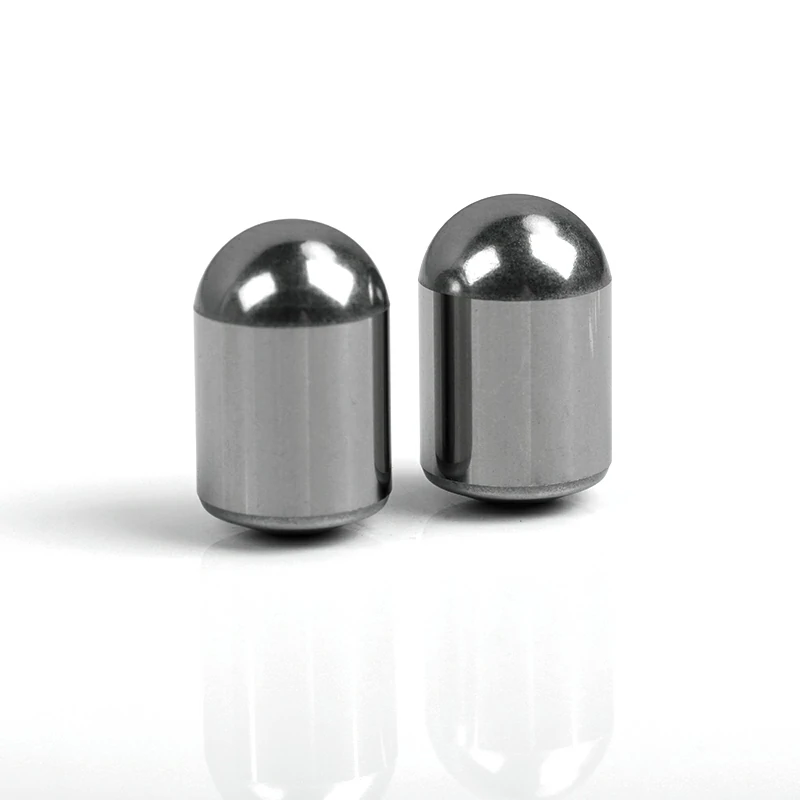
Best Applications: Cold heading dies, punch blanks, progressive stamping dies for sheet metal, mining button bits, and heavy rough turning tools subjected to interrupted cuts.
When to choose: Choose YG8 when your components undergo severe mechanical shock, cyclical impact, or thermal stresses that would fracture harder, more brittle grades like YG6.
3. YG10X: Sub-Micron Precision for High-Performance Tooling
Historically, adding cobalt decreased hardness. YG10X carbide defies this trade-off through grain boundary engineering: by refining the tungsten carbide crystal grain size down to sub-micron levels (0.6–0.8 µm), it dramatically multiplies the interfacial grain-contact area.
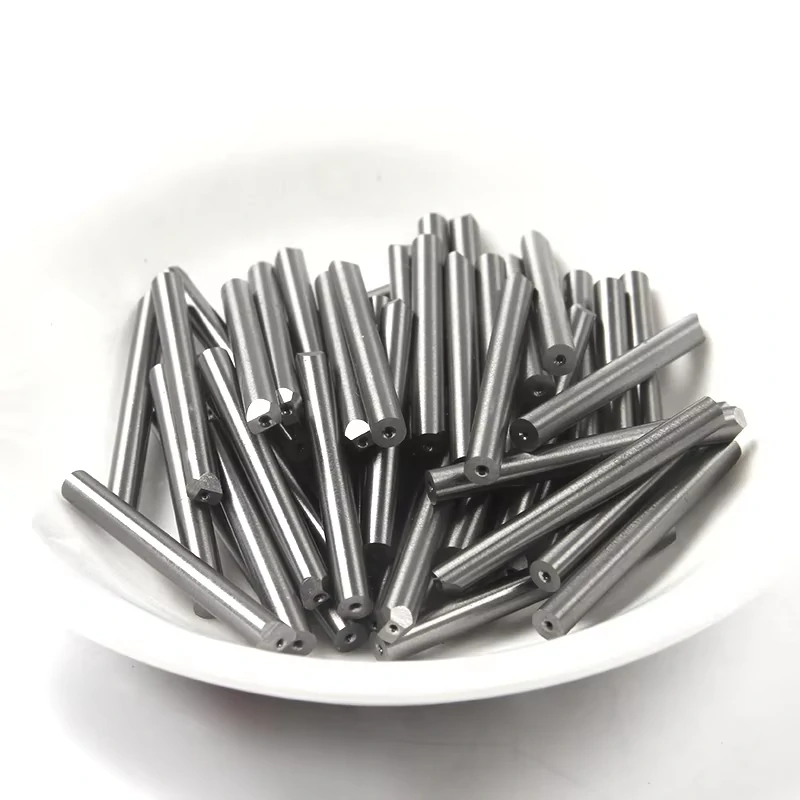
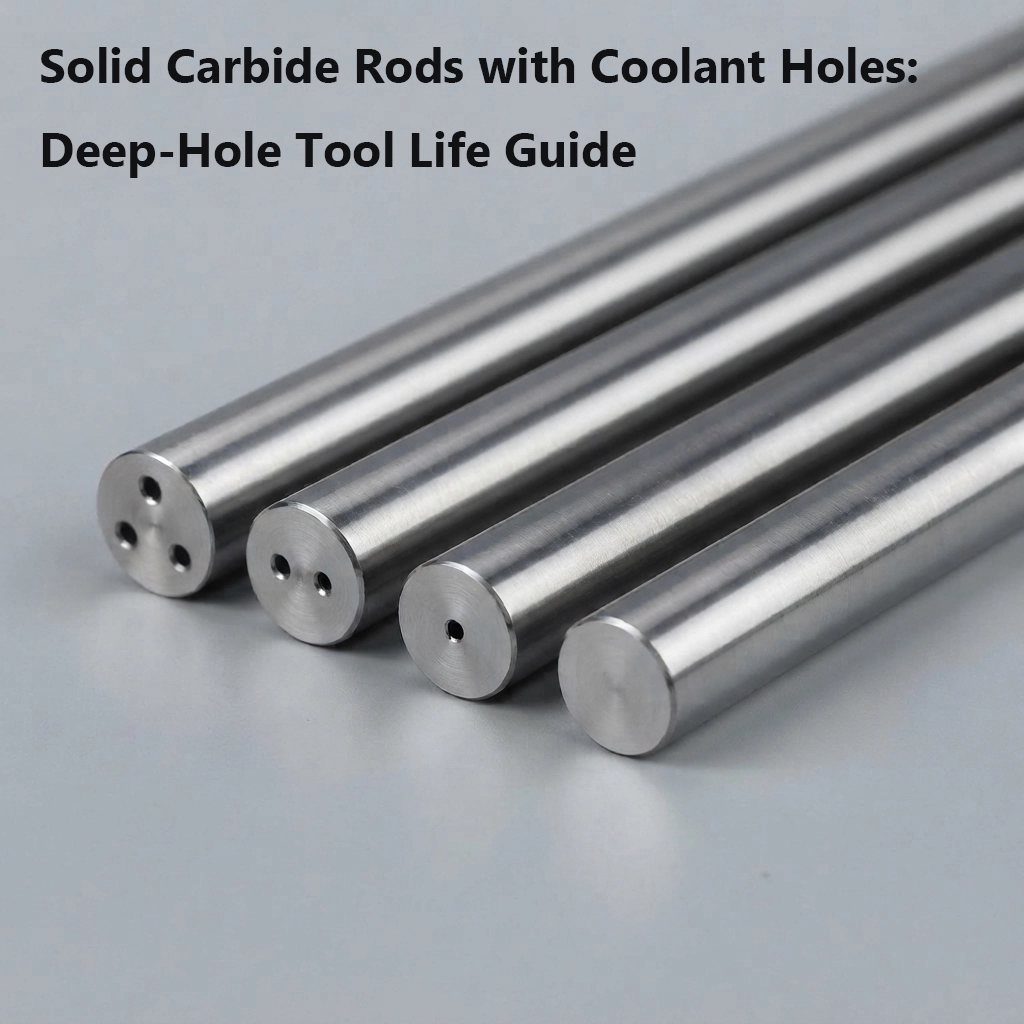
Best Applications: Solid carbide end mills, high-performance reamers, twist drill blanks (including coolant-hole rods), and precision slitting knives.
Why it excels: Even with 10% cobalt, YG10X achieves an impressive hardness of 91.5–92.5 HRA combined with extreme tensile strength (≥ 3,400 MPa). It holds razor-sharp cutting edges without micro-chipping, making it the premier choice for machining stainless steels, titanium alloys, and pre-hardened tool steels.
4. C2 Carbide: The North American Specification
In North American blueprints, tool designs frequently call out "C2 Carbide". C2 represents a baseline binary tungsten carbide alloy containing roughly 6% cobalt.
Equivalency: In nearly all industrial applications, C2 is chemically and functionally interchangeable with Chinese YG6 (or fine-grain variations like YG6X).
Usage: Widely specified for woodworking router bits, planer knives, non-ferrous turning inserts, and light-duty structural wear components.
The Metallurgy Behind Selection: Cobalt vs. Grain Size
When reviewing technical data sheets from your carbide supplier, keep these two fundamental rules in mind:
The Role of the Cobalt Binder: Cobalt acts as the ductile metal cement holding brittle WC grains together.
Higher Cobalt (8% to 15%): Higher impact toughness (TRS), better resistance to thermal shock, but lower hardness and faster abrasive wear.
Lower Cobalt (3% to 6%): Maximum hardness and corrosion resistance, but higher risk of brittle fracture under impact.
The Role of Grain Size:
Sub-Micron / Ultra-Fine (0.4–0.8 µm): Increases both hardness and strength simultaneously. Essential for thin-wall cuts and sharp cutting edges.
Coarse Grain (1.5–3.0 µm): Provides superior resistance to thermal fatigue and micro-chipping in severe impact mining and quarrying applications.
Why Sourcing Quality-Controlled Carbide from HAO Carbide Matters
A technical grade chart is only as reliable as the manufacturing consistency behind it. Two batches of "YG8" from different vendors can perform completely differently if raw material standards vary.
At HAO Carbide, we ensure strict consistency for global buyers through three non-negotiable manufacturing principles:
100% Virgin Powder Sourcing: We never blend degraded, recycled scrap powder into our cutting-tool and precision die grades. This prevents irregular carbon porosity, brittle eta-phases (η-phase), and premature tool breakage.
Overpressure Vacuum Sinter-HIP Technology: Every blank undergoes 100-bar high-pressure Sinter-HIP treatment, virtually eliminating internal micropores and ensuring maximum material density.
Batch Metallurgical Certification: Every shipment is accompanied by laboratory quality control documentation, verifying density, HRA hardness, magnetic saturation (Cobalt phase distribution), and coercive force (Hc).
Conclusion & Next Steps: Optimize Your Material Selection
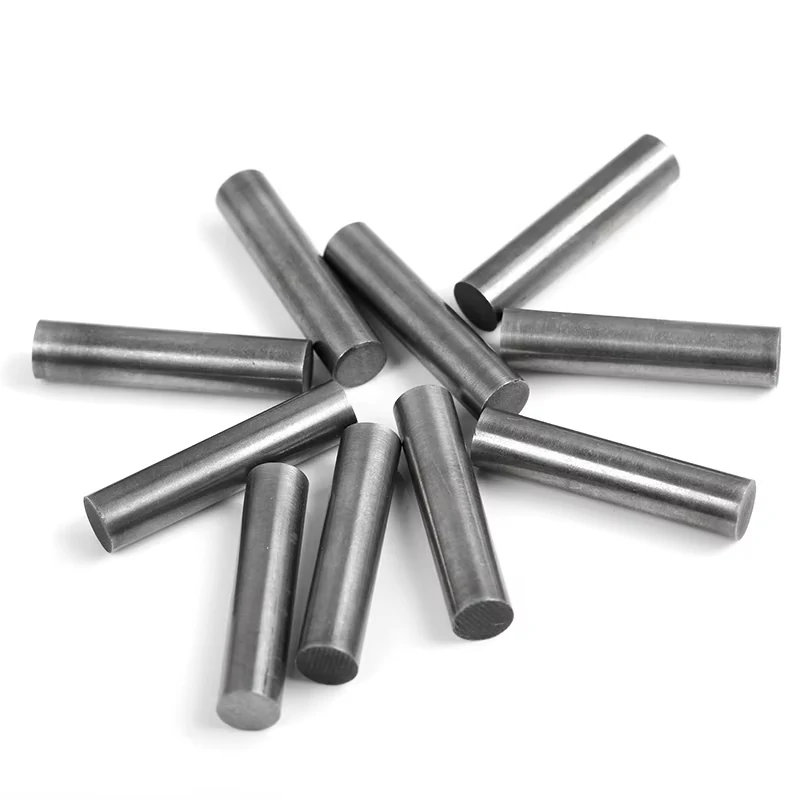
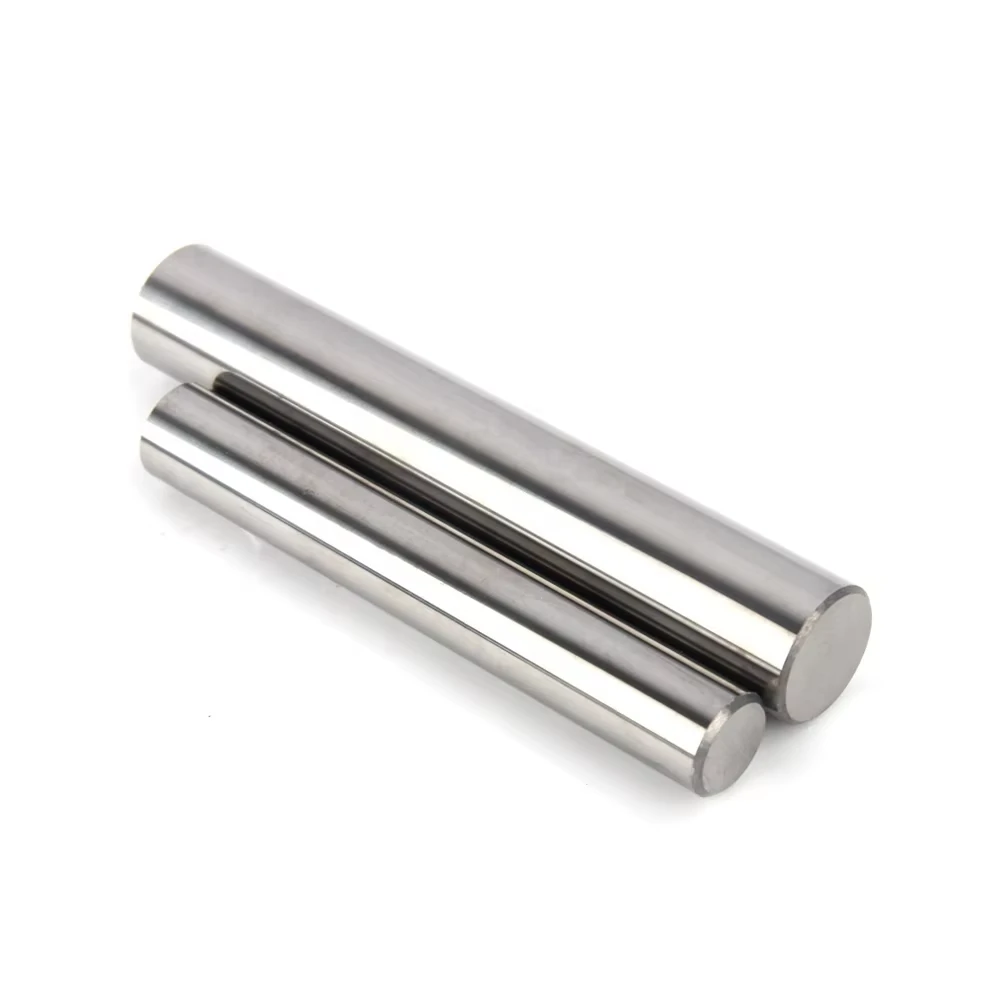
Matching the ideal tungsten carbide grade to your exact operational parameters is the single most effective way to lower cost-per-part and boost tool life. Whether you need standard YG6 / C2 wear sleeves, high-impact YG8 punch blanks, or precision YG10X solid carbide ground rods, our technical engineering team is here to assist.
Looking for Custom Formulations or Standard Grade Blanks?
Browse our standard rod and blanks inventory: Visit www.hao-carbides.com to view full dimensional tables.
Request a Custom Grade Consultation: Send your technical drawings, target workpiece materials, and operating conditions to sales@hao-carbides.com for a metallurgical review and quotation within 24 hours.