Tungsten Carbide Oilfield Ball Valve Balls and Seats
Writer: admin Time:2026-10-30 15:36:14
Tungsten Carbide Oilfield Ball Valve Balls and Seats
Oilfield pumping and drilling equipment places demanding requirements on valve balls and valve seats. These components must repeatedly open and close while exposed to pressure, abrasive sand, water, gas, wax, corrosive fluids, and mechanical impact. When the ball and seat no longer seal properly, the result may include leakage, reduced pumping efficiency, unstable operation, or more frequent maintenance.
Tungsten carbide valve balls and carbide valve seats are used when a standard material may not provide the required combination of hardness, wear resistance, strength, and chemical stability. A correctly matched carbide ball-and-seat pair can help maintain a consistent sealing interface in challenging oilfield applications. For buyers, the most important step is not simply choosing a hard material. It is selecting a valve pair designed around the fluid, pressure, temperature, geometry, and operating cycle of the equipment.
Why Oilfield Valve Pairs Face Severe Service Conditions
Oilfield valve components operate in environments that are more complex than clean-water or general industrial service. A pumping system may handle mixtures containing liquid hydrocarbons, water, dissolved gases, sand particles, wax, and other contaminants. These media can create several simultaneous forms of damage.
Abrasive particles can pass between the ball and seat and progressively remove material from the contact surfaces. Corrosive constituents may attack exposed metal boundaries or create surface roughness that encourages further wear. Repeated opening and closing also produces impact and cyclic loading. In deep-well or high-pressure service, the valve pair must maintain contact and alignment even as pressure changes through the pumping cycle.
This is why oilfield ball valve components are often evaluated as a matched system rather than as separate parts. The ball geometry, seat profile, surface finish, material selection, and contact pressure all influence sealing performance. A robust design should also consider how the components will be installed, inspected, replaced, and supported in the field.
How Tungsten Carbide Supports Ball-and-Seat Performance
Cemented tungsten carbide is selected for many wear-component applications because it combines high hardness with useful mechanical strength and dimensional stability. These properties can be valuable when a valve pair is exposed to abrasive particles and repeated contact.
Compared with ordinary bearing steel, a suitable carbide grade may offer stronger resistance to abrasive wear and improved stability in demanding fluid environments. Compared with some ceramic options, a properly selected cemented carbide can provide a more balanced combination of hardness and toughness for components exposed to impact or cyclic loading. The correct result depends on the grade, binder system, geometry, manufacturing process, and application conditions; no single material is suitable for every well or pumping system.
For an oilfield valve ball and seat, the practical objective is a stable contact surface. A stable surface helps the pair maintain its designed sealing relationship for longer and reduces the risk that wear debris, surface damage, or deformation will change the flow and sealing behavior. Buyers should therefore evaluate the complete material-and-geometry solution instead of comparing hardness values alone.
Common Failure Modes in Oilfield Valve Components
The failure of an oilfield valve pair can have several causes. Understanding them helps engineers specify a more suitable replacement or custom component.
Abrasive wear
Sand and other hard particles can act like an abrasive slurry. Repeated passage through the contact area may score the ball or seat, enlarge the effective sealing gap, and reduce the consistency of the valve action. Carbide is often considered when abrasive wear is a primary concern.
Corrosion and chemical attack
Water, dissolved gases, production chemicals, and other constituents may promote corrosion or surface degradation. A roughened surface can increase friction and provide sites for deposits to accumulate. Material and binder selection should be reviewed against the actual fluid chemistry rather than assumed from a general application label.
Fatigue and impact damage
Repeated contact loads can initiate fatigue damage, particularly when the geometry, alignment, or material toughness is not appropriate. Excessively brittle materials may be vulnerable to chipping or fracture at edges and sealing boundaries.
Deformation and loss of sealing alignment
If a component deforms under load or if the ball and seat are not correctly matched, the contact pattern may become uneven. This can lead to localized wear, leakage, and unstable pumping behavior. Dimensional control and inspection are therefore essential parts of the manufacturing process.
Matching the Carbide Ball and Valve Seat
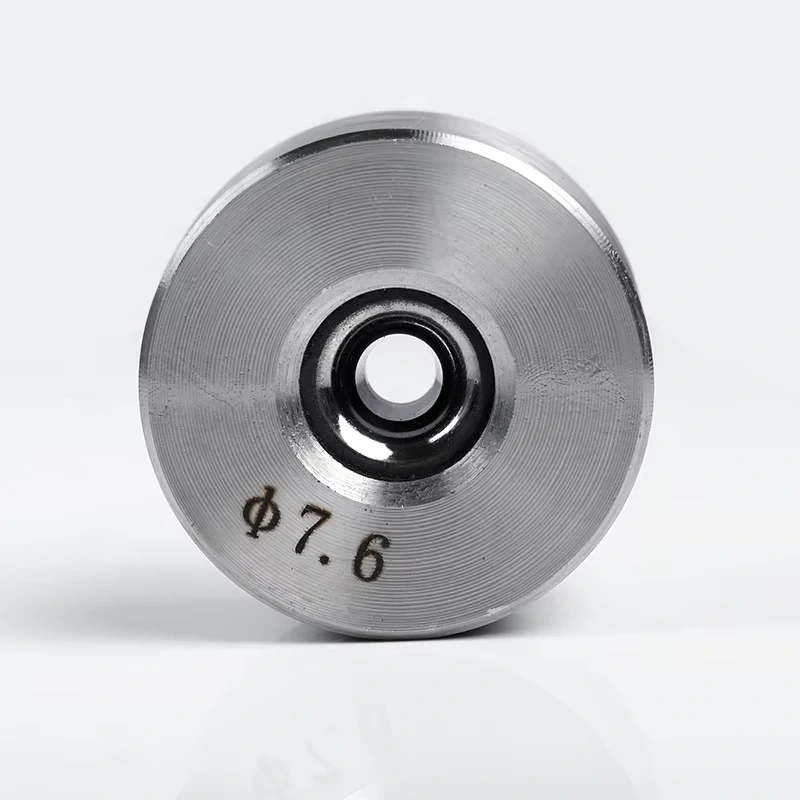
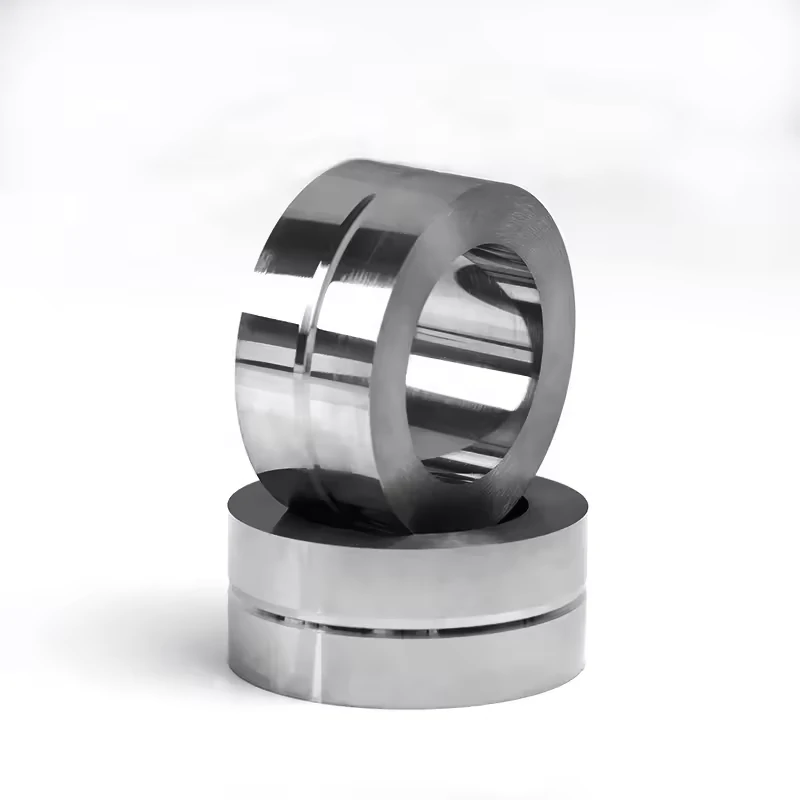
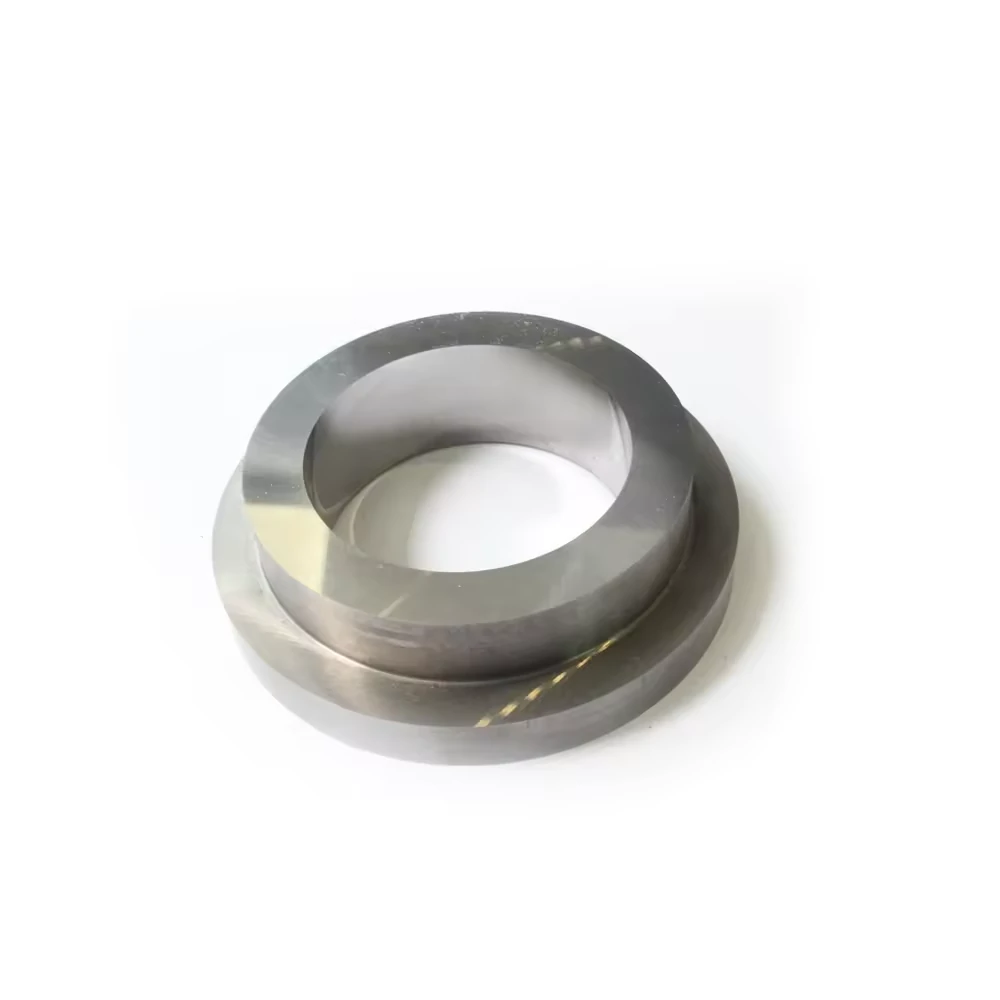
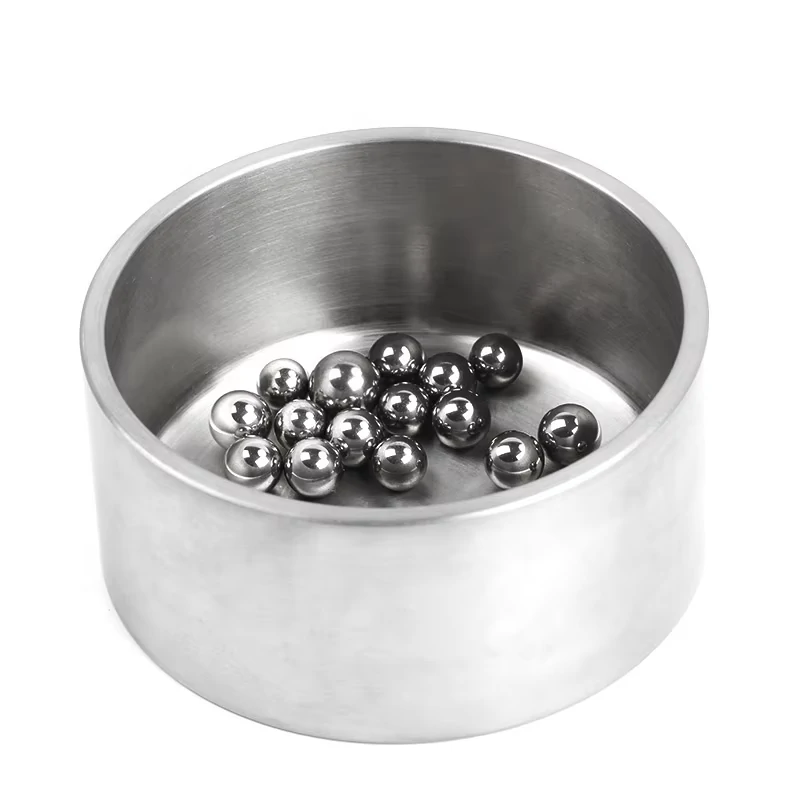
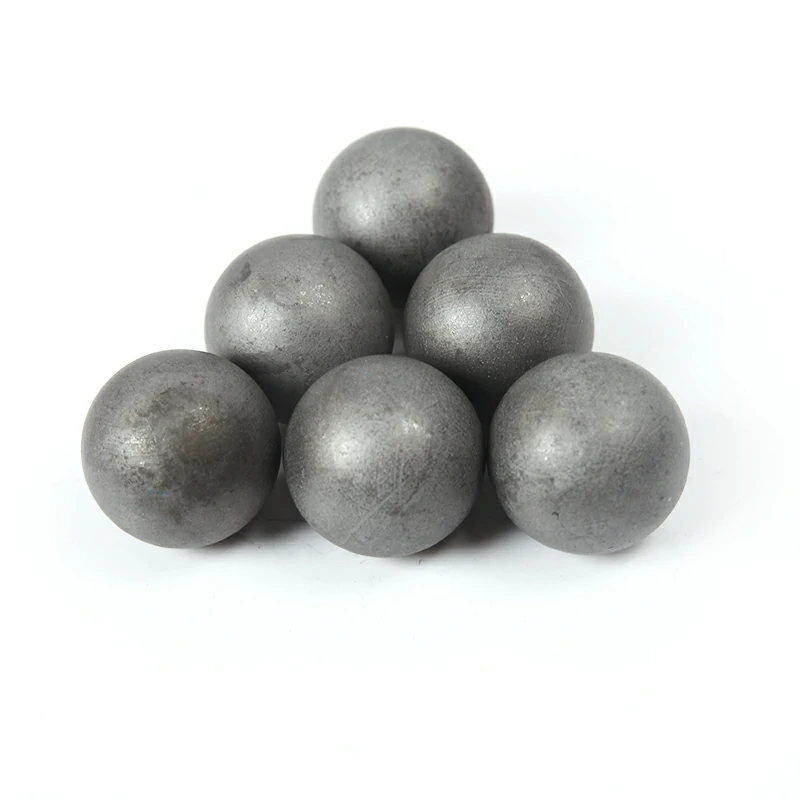
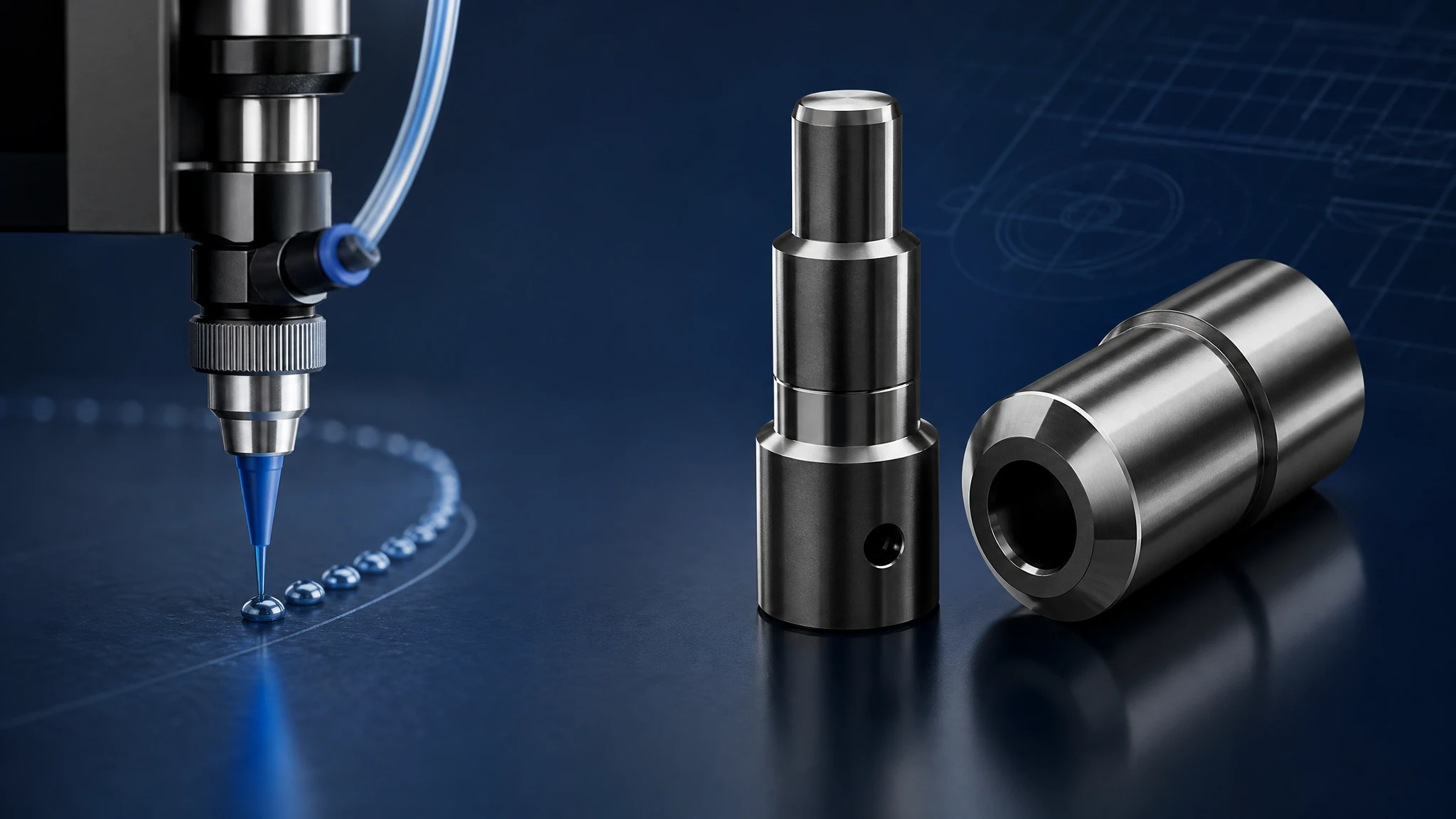
A carbide valve ball should not be specified independently from its mating seat. The two parts need compatible geometry, surface condition, and functional clearance. Depending on the pump or valve design, the pair may include a spherical ball with a contoured seat, or another profile defined by the original equipment drawing.
Important information for a matching review includes the ball diameter, seat dimensions, contact profile, passage diameter, mounting or retention details, and the required relationship between the ball and seat after assembly. The operating medium, sand content, pressure range, temperature, stroke or cycle frequency, and expected maintenance interval are also relevant.
Surface finish matters because sealing and wear are affected by the actual contact condition, not only by nominal dimensions. A supplier should be able to discuss how the mating surfaces are produced and inspected. If the original part is available, sending a sample together with application details can help identify the critical dimensions and replacement requirements.
Custom Manufacturing Considerations
Oilfield valve balls and seats are frequently non-standard parts. A drawing-based or sample-based manufacturing review should cover material selection, blank design, machining allowance, grinding strategy, surface finish, dimensional inspection, and packaging for shipment.
HAO Carbide can review customer drawings or samples for custom carbide components and discuss a suitable manufacturing route for the intended service. The final specification should confirm the required carbide grade, dimensions, tolerances, surface requirements, inspection points, and any special chemical or temperature considerations. If the material grade or tolerance has not yet been selected, it should be confirmed through the application review rather than assumed.
A useful purchase specification may include:
Component type: valve ball, valve seat, or matched valve pair
Equipment and application: oil pump, drilling equipment, or other oilfield system
Fluid composition and abrasive particle conditions
Pressure, temperature, and operating-cycle information
Ball diameter, seat dimensions, and critical contact geometry
Required material grade or request for material recommendation
Quantity, replacement frequency, and packaging requirements
Inspection documents or sample approval requirements, where applicable
Applications for Carbide Oilfield Valve Components
Tungsten carbide balls and seats may be considered for oilfield equipment exposed to severe wear, including pumping systems, downhole valve assemblies, and other petroleum production components. They can be relevant to applications involving sand-containing wells, water exposure, corrosive fluids, viscous oil, or repeated high-load valve action.
The final suitability depends on the complete system design. A carbide valve pair should be evaluated against the actual fluid and mechanical conditions rather than promoted as a universal replacement for every steel or ceramic part. In some applications, the benefit may come from improved wear stability; in others, the key requirement may be chemical compatibility, dimensional retention, or a more consistent sealing interface.
For equipment manufacturers and maintenance teams, a custom replacement program can also help standardize frequently used valve-pair geometries. Once the critical dimensions and inspection requirements are confirmed, repeat orders can be based on an agreed drawing or approved sample.
How to Request the Right Carbide Valve Pair
Before requesting a quotation, gather the information that directly affects design and material selection. Provide the original drawing if available, or clear samples and dimensional measurements if the part is being reverse-engineered. Describe the equipment, fluid, pressure, temperature, sand or particle exposure, and the current failure mode.
It is also useful to state whether the priority is abrasive-wear resistance, corrosion resistance, impact toughness, dimensional stability, sealing performance, or a balance of several requirements. Photographs of the installed part and damaged surfaces can provide additional context, although they should not replace the dimensional data needed for production.
A qualified supplier can then confirm which information is sufficient, identify missing specifications, and recommend whether the ball, seat, or complete matched pair should be reviewed together.
Choose HAO Carbide for Custom Valve Components
HAO Carbide supports overseas B2B buyers seeking customized carbide products for demanding industrial applications. For oilfield valve balls, carbide valve seats, and related wear components, the company can discuss production according to drawings or samples and help clarify the information required for a quotation.
Send your component drawings, samples, operating conditions, and target quantity to HAO Carbide. The engineering review can then focus on the actual service environment, the required geometry, and the material and inspection requirements for your application. Contact HAO Carbide to discuss a custom tungsten carbide ball-and-seat solution for oilfield pumping and valve equipment.
FAQ
What are tungsten carbide oilfield valve balls used for?
They are used in oilfield pumping and valve equipment where the ball may be exposed to abrasive particles, corrosive fluids, repeated impact, and pressure cycling. The specific suitability depends on the material grade and operating conditions.
Why use a carbide valve seat instead of ordinary steel?
A suitable cemented carbide valve seat may provide stronger resistance to abrasive wear and better dimensional stability than ordinary steel in some severe-service applications. Material selection should be based on the actual fluid, pressure, temperature, and particle conditions.
Should the valve ball and valve seat be ordered as a matched pair?
When sealing geometry is critical, reviewing and manufacturing the ball and seat as a matched pair can help control their contact relationship. The supplier should confirm the required geometry and inspection method from drawings or samples.
Can HAO Carbide manufacture custom oilfield valve components?
HAO Carbide can discuss customized carbide components manufactured according to customer drawings or samples. Buyers should provide the application conditions and critical dimensions so the material and manufacturing requirements can be reviewed accurately.
What information is needed for a carbide ball and seat quotation?
Provide drawings or samples, dimensions, equipment information, fluid composition, abrasive conditions, pressure, temperature, operating cycle, quantity, and any known failure mode or inspection requirement.