Nanoliter Precision Under Pressure: Tungsten Carbide Dispensing Nozzles and Jet Valve Tappets
Writer: admin Time:2026-10-29 14:27:47
Nanoliter Precision Under Pressure: Tungsten Carbide Dispensing Nozzles and Jet Valve Tappets
In modern microelectronics assembly, semiconductor packaging, and precision optics manufacturing, fluid dispensing is measured in microscopic droplets and nanoliter volumes. From applying underfill beneath flip-chips to jetting solder paste onto flexible printed circuits, automated dispensing systems require absolute volumetric repeatability.
However, as dispensing valves operate at blistering frequencies of 200 Hz to over 1,000 Hz, the mechanical heart of the system—the dispensing nozzle and reciprocating valve tappet (needle)—faces extreme punishment. Abrasive particle-filled fluids, high-velocity shear forces, and continuous mechanical slamming rapidly degrade conventional stainless steel components.
At www.hao-carbides.com, HAO CARBIDE CO., LTD. (known globally as HAO CARBIDE) engineers and manufactures premium Tungsten Carbide Dispensing Nozzles, Jetting Tappets, and Capillary Needles, delivering the wear resistance and micro-dimensional stability required for zero-defect automated fluid control.
The Micro-Dispensing Dilemma: Why Steel and Ceramic Fall Short
Automated fluid dispensing lines cannot afford flow fluctuations, tailing, or droplet satellite spatter. Traditional tooling materials face severe limitations in high-precision fluid control:
1. Abrasive Wear from Functional Fillers
Modern electronic adhesives (such as silver epoxies, solder pastes, and thermal interface materials) are loaded with microscopic abrasive particles. Flowing through narrow micro-orifices at high velocity, these particles act like liquid sandpaper, enlarging steel nozzle orifices within hours and causing massive volume drift.
2. High-Frequency Fatigue and Mushrooming
In pneumatic and piezoelectric jetting valves, the valve tappet strikes the nozzle seat millions of times per shift. Standard tool steel tips deform and mushroom, while fragile ceramic pins chip at the sealing boundary, causing fluid drooling and incomplete droplet cut-off.
3. Chemical Attack and Clogging
Aggressive cyanoacrylates, UV-curable resins, and flux chemicals attack metal boundaries. Microscopic corrosion creates rough internal pockets that trigger fluid clogging, polymer buildup, and costly production downtime.
The HAO CARBIDE Engineering Advantage
To solve these challenges, HAO CARBIDE utilizes advanced sub-micron grain cemented tungsten carbide, precision CNC micro-grinding, and internal diamond lapping to manufacture high-performance dispensing wear parts:
1. Mirror-Honed Micro-Orifices (Down to 50 Microns)
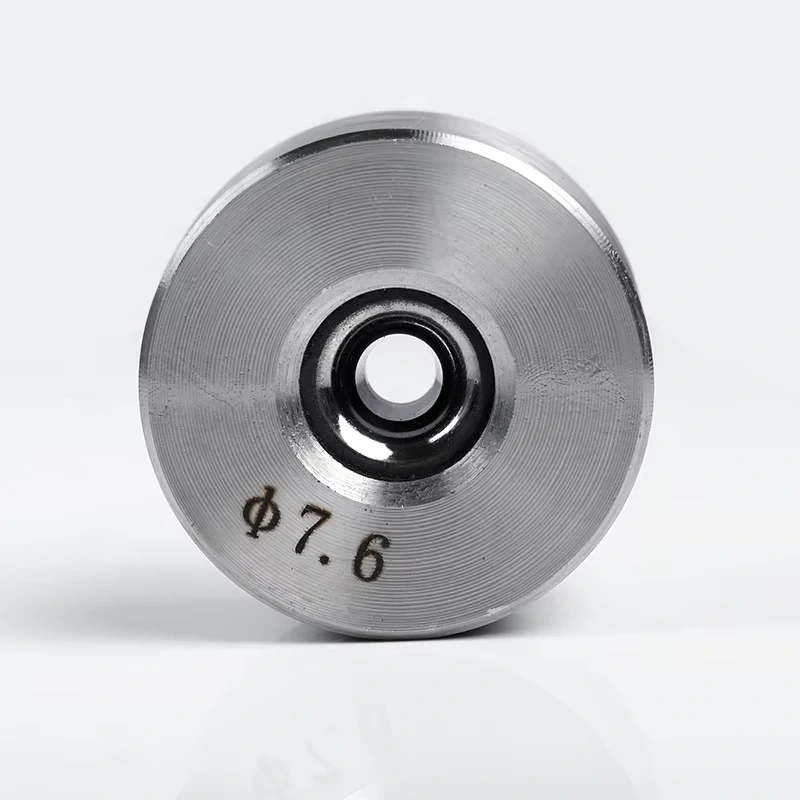
Our proprietary internal bore processing achieves micro-orifice diameters ranging from 0.05 mm (50 um) to 0.50 mm (500 um) with internal surface finishes down to Ra 0.05 um. The mirror-smooth internal flow path eliminates fluid turbulence, reduces fluid friction loss, and prevents adhesive particle clumping.
2. High-Impact, Anti-Fracture Tappet Needles
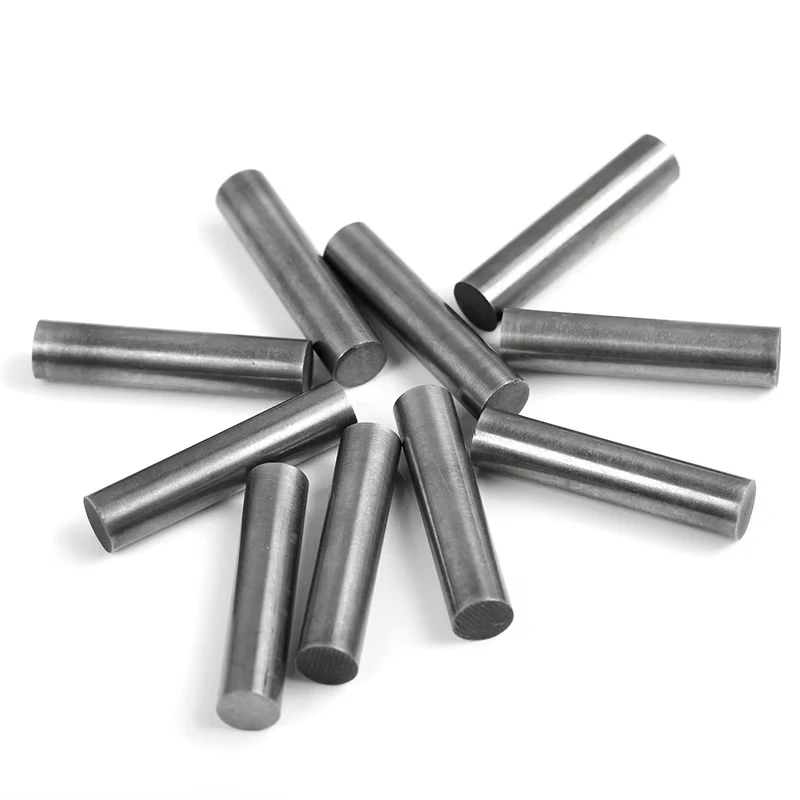
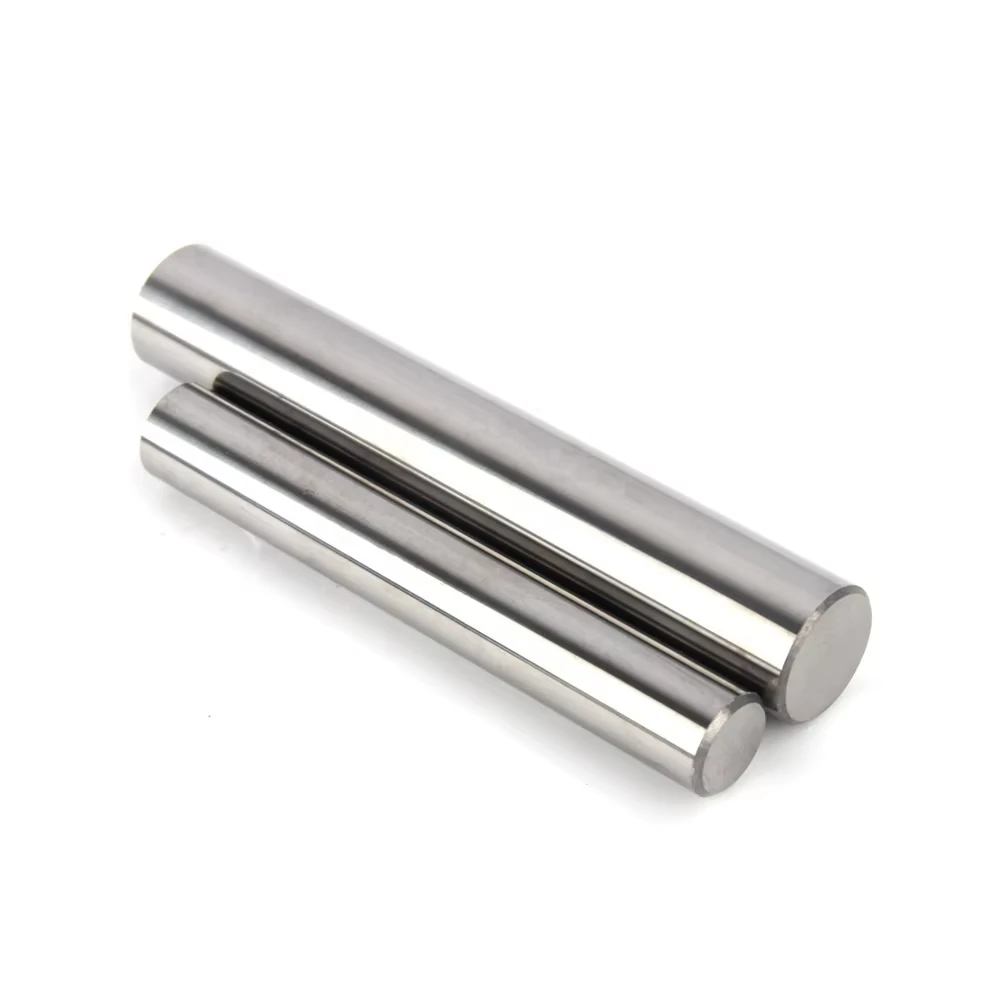
Machined from high-toughness, fine-grain tungsten carbide grades, our jetting tappets and needles deliver elevated compressive strength and fracture toughness. They withstand billions of continuous high-speed mechanical impacts against the nozzle seat without tip deformation, micro-cracking, or dimensional change.
3. Matched Geometry for Zero-Weep Sealing
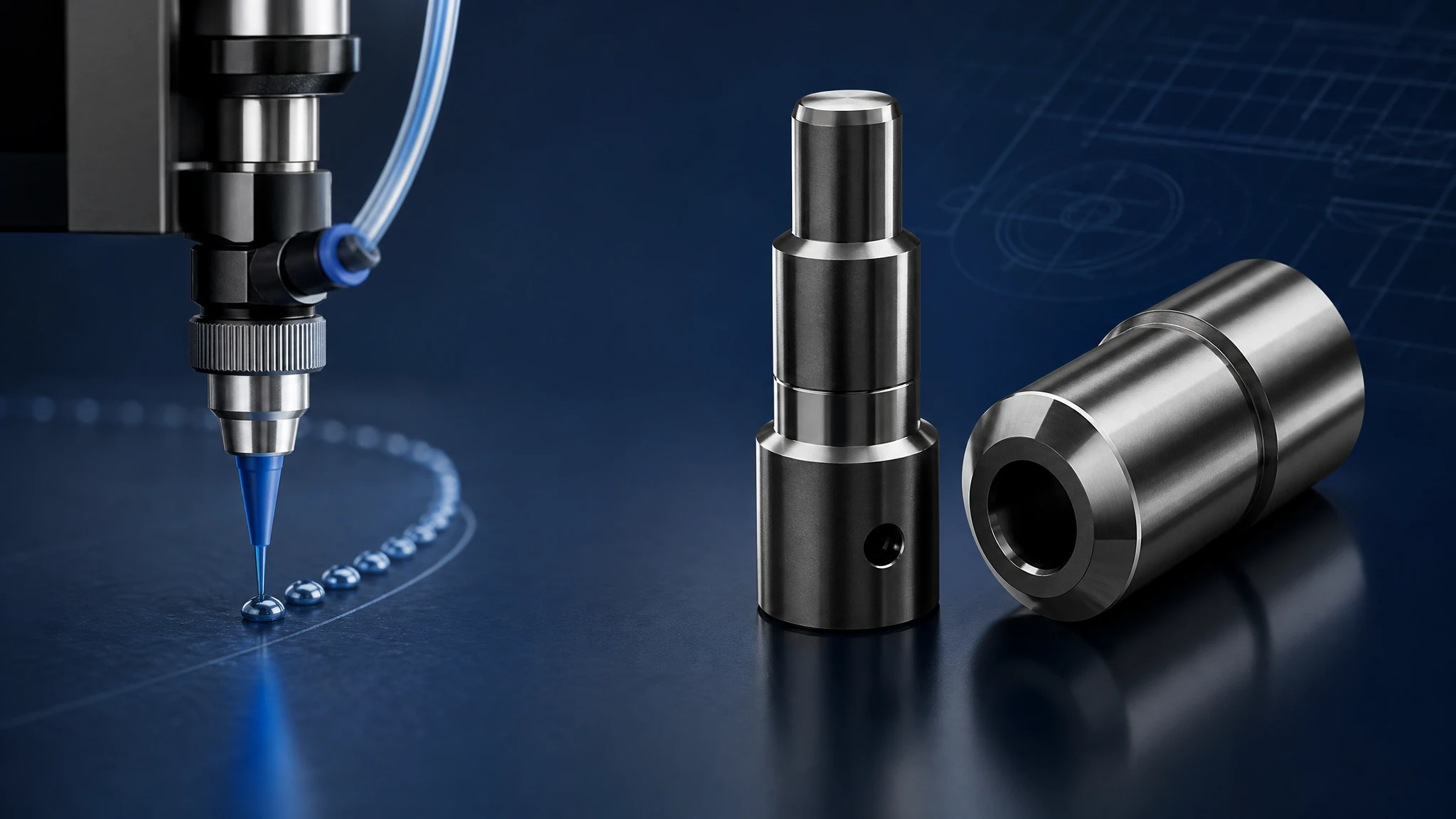
The spherical or conical tip of the carbide needle and the mating nozzle seat are optical-profile ground as precision pairs. This ensures a hermetic, zero-clearance mechanical seal at the end of every stroke, eliminating dripping, stringing, and unwanted air bubble ingestion.
Versatile Product Configurations
HAO CARBIDE manufactures a complete family of micro-dispensing wear components:
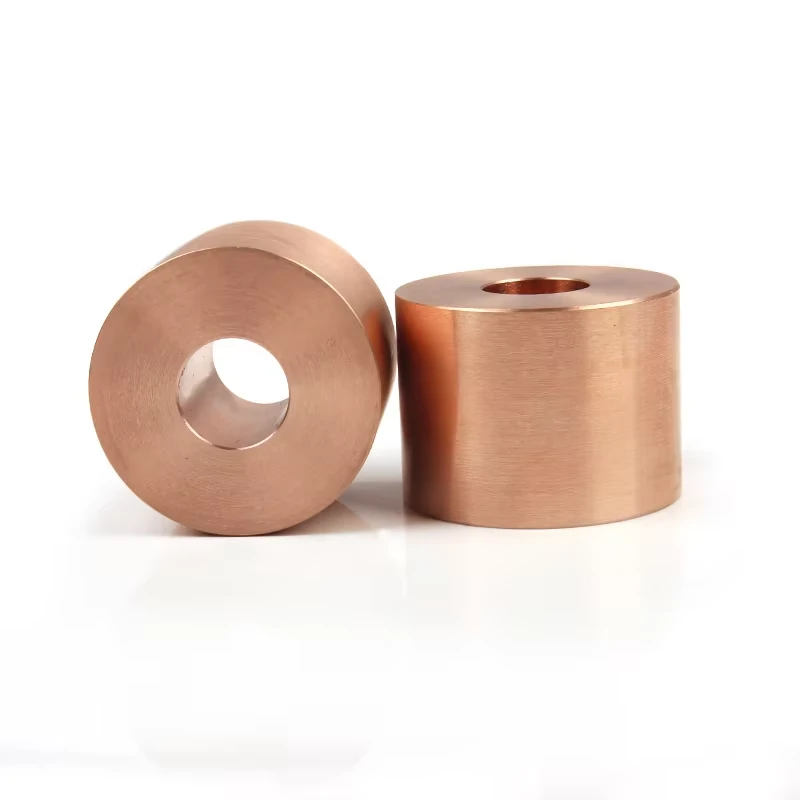
- Pneumatic & Piezoelectric Valve Tappets: Precision-ground carbide needle shafts integrated with lightweight aluminum or stainless steel drive pistons.
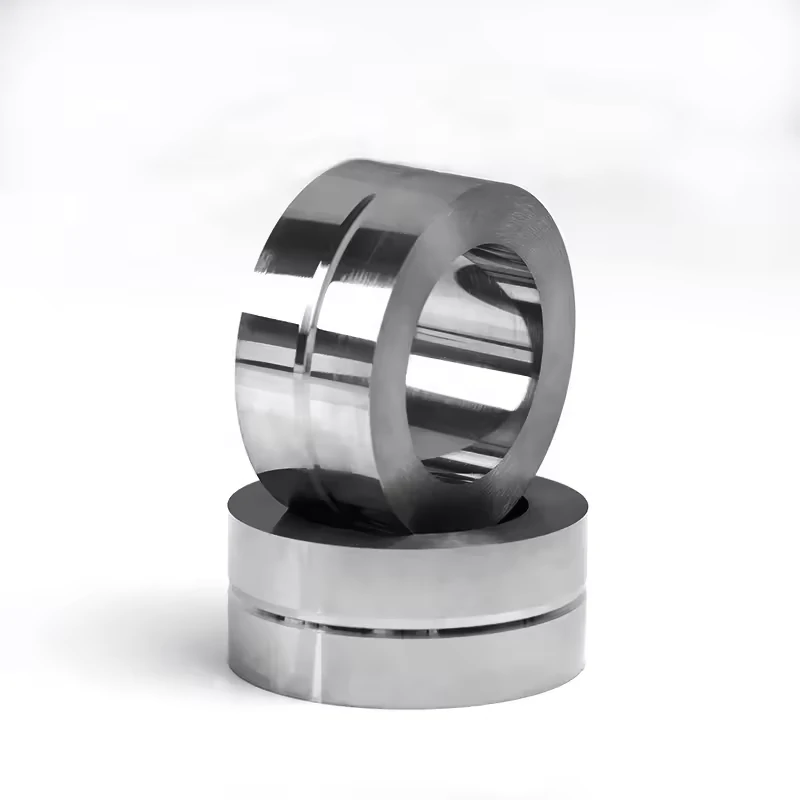
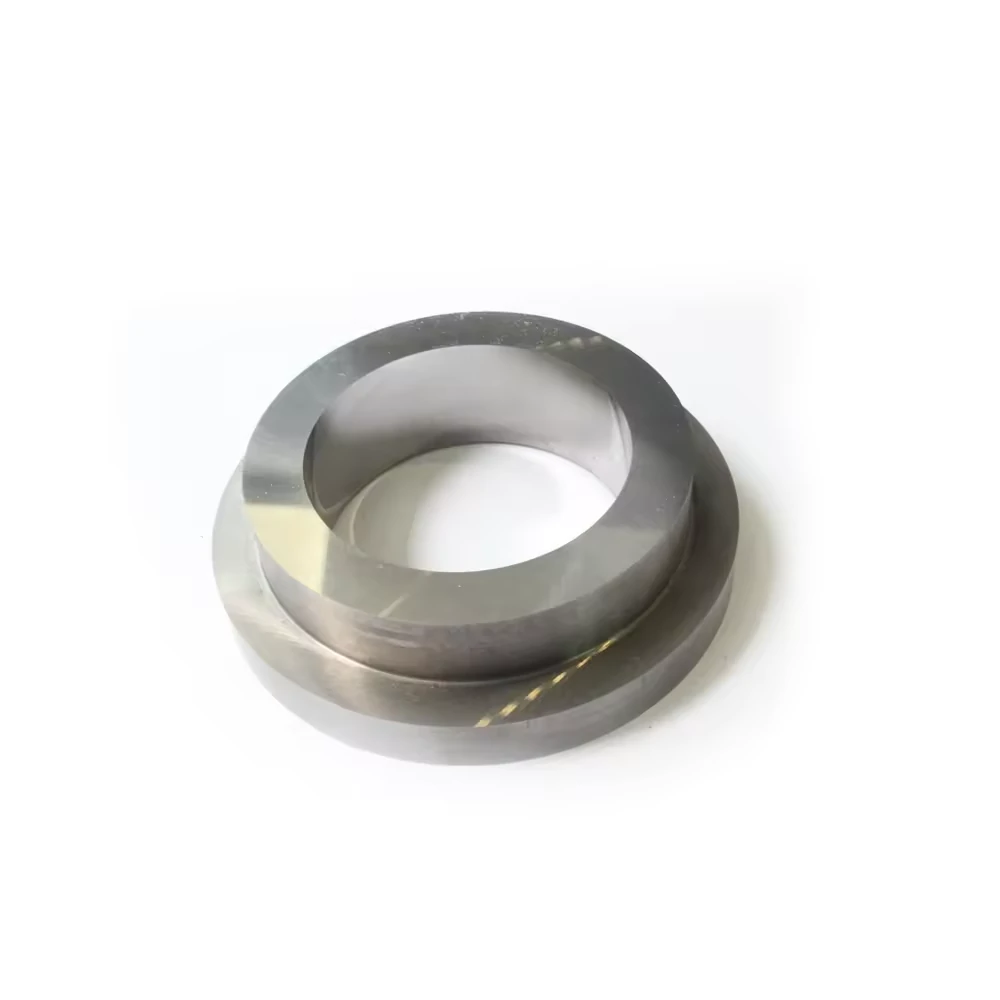
- Miniature Jetting Nozzles & Seats: Compact carbide nozzle inserts engineered with precision taper angles and calibrated discharge orifices.
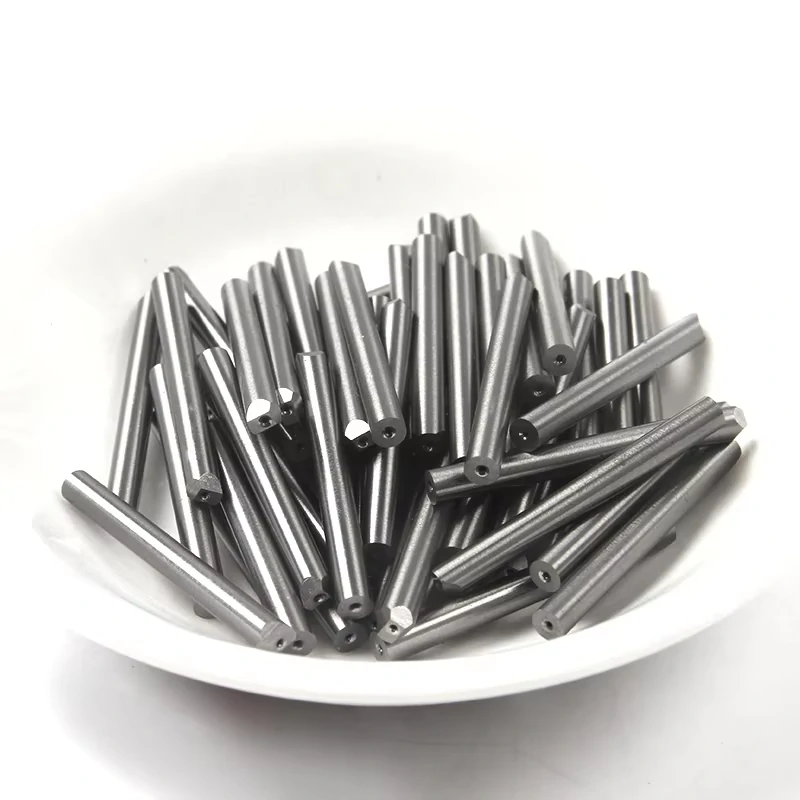
- Extended Capillary Needles: Ultra-thin tubular carbide dispensing tips designed for tight-clearance component underfill and deep cavity potting.
- One-Piece Solid Carbide Dispensing Tips: Eliminating brazed joints for maximum structural integrity and chemical resistance.
Applications Across High-Tech Industries
Our tungsten carbide dispensing components are deployed worldwide in mission-critical automated production lines:
- Semiconductor Packaging: High-speed underfill dispensing for BGA, CSP, and flip-chip assemblies.
- SMT & Electronics Manufacturing: Stencil-free jet printing of solder paste, surface-mount adhesives (SMA), and conformal coatings.
- Camera Module (CCM) & Optical Assembly: Nanoliter adhesive dispensing for VCM lens bonding, active alignment, and sensor potting.
- Automotive Electronics & EV Batteries: Metering highly abrasive thermal conductive gap fillers and structural adhesives into battery modules and ECU housings.
- Medical Device Manufacturing: Micro-volume reagent dispensing, catheter bonding, and bio-compatible fluid metering.
Precision Specifications at a Glance
| Parameter | Standard Capability | Custom OEM Range |
|---|
| Material Grades | Ultra-fine sub-micron Tungsten Carbide (WC-Co / WC-Ni) | Custom binder formulations for corrosive media |
| Micro-Orifice Range | 0.050 mm to 0.500 mm (50 um to 500 um) | Custom flow geometries and taper angles |
| Orifice Tolerance | Plus or minus 0.002 mm (2 microns) | Down to plus or minus 0.001 mm |
| Internal Surface Finish | Ra 0.05 um to Ra 0.10 um | Diamond mirror polished |
| Compatibility | Direct fit for Nordson Asymtek, Musashi, Vermes, Marco, PVA, etc. | 100% custom OEM drawing-to-part manufacturing |
Upgrade Your Dispensing Reliability with HAO CARBIDE
Do not let worn nozzles and mushroomed tappet needles compromise your electronic assembly yields. Upgrade your automated dispensing valves with field-proven Tungsten Carbide Dispensing Nozzles and Tappets from HAO CARBIDE.