The Art of the Perfect Pop: High-Precision Tungsten Carbide SOT Score Dies for Easy-Open Beverage Can Ends
Writer: admin Time:2026-10-23 18:08:49
Every day, billions of consumers around the globe enjoy the crisp, satisfying pop and fizz of an ice-cold soda, beer, or sparkling beverage. While opening an easy-open can end (EOE) seems effortless, it represents one of the most demanding micro-stamping processes in modern high-speed packaging manufacturing.
Operating at conversion press speeds exceeding 600 to 1,200 strokes per minute, the quality of the can lid score line dictates everything:
The Consumer Experience: A smooth, low-effort pull-tab opening without tearing off the tab or creating jagged edges.
Hermetic Integrity: Zero micro-leaks, preserving internal carbonation and withstanding high-temperature pasteurization pressure without premature rupture.
The linchpin of this balance is the Tungsten Carbide SOT (Stay-On-Tab) Score Die and Score Knife.
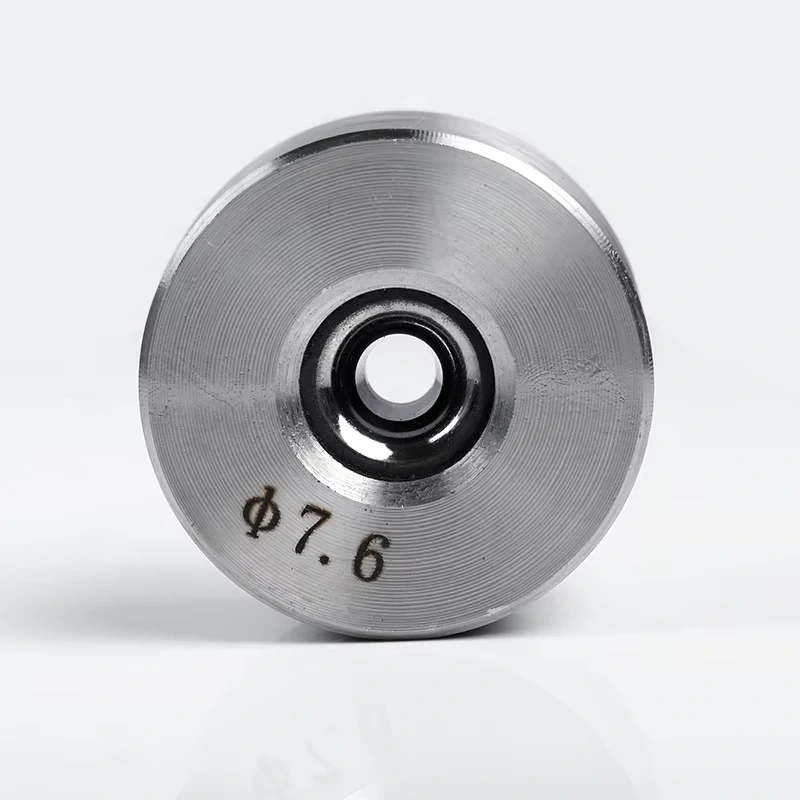
At HAO CARBIDE engineers and manufactures ultra-precision tungsten carbide score dies, lower anvils, and conversion tooling designed to withstand millions of continuous high-speed strokes.
Understanding the SOT Advantage: Stay-On-Tab Technology
In the beverage packaging industry, SOT stands for Stay-On-Tab. Unlike vintage pull-tab designs that detached completely from the lid and caused severe litter and safety hazards, modern SOT cans are engineered so the opening flap pushes downward and remains permanently anchored to the can end.
To make this possible, the score line cannot be a fully closed circle. It is an open, contoured profile leaving an un-cut hinge section. Achieving a clean, effortless rupture while ensuring the hinge never tears off requires extreme micro-precision tooling.
The Micron Challenge: Why Score Dies Demand Tungsten Carbide
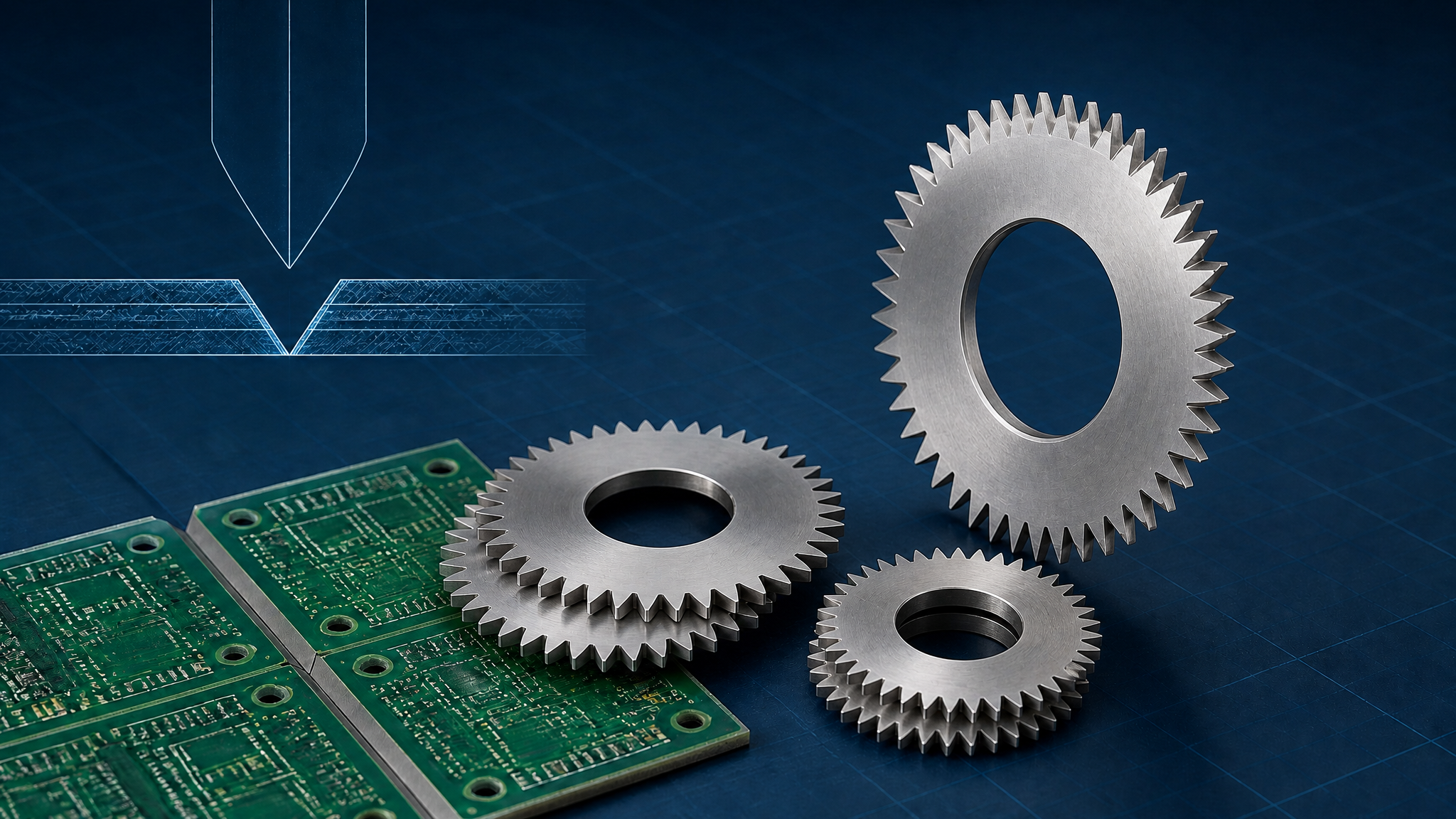
During the scoring stroke, the hardened score knife penetrates the thin aluminum lid to create a guided tear path, leaving behind a microscopic residual metal thickness typically between 0.035 mm and 0.050 mm (less than half the thickness of a human hair).
The allowable tolerance window is microscopic, often held within plus or minus 0.002 mm (2 microns):
If the cut is just 3 microns too deep: Internal carbonation pressure creates micro-fissures, resulting in flat beverages, product spoilage, or warehouse leakage.
If the cut is just 3 microns too shallow: Consumers struggle to pull the ring, leading to broken pull-tabs or failed openings.
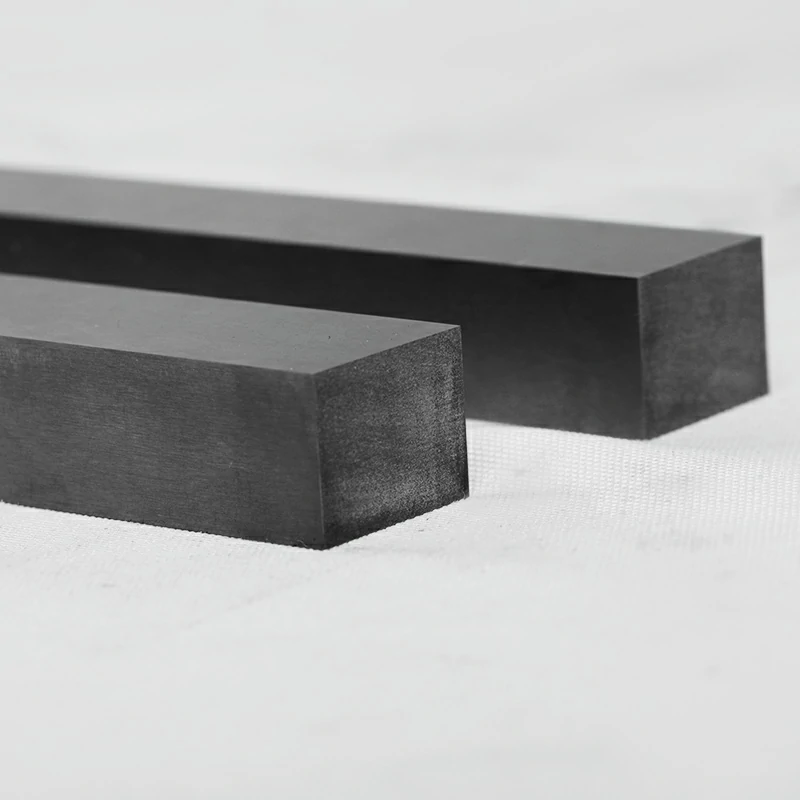
Conventional tool steels wear rapidly under the intense friction of high-speed aluminum stamping. HAO CARBIDE's specialized sub-micron tungsten carbide delivers the extreme hardness and dimensional stability needed to hold micron-level score depths across millions of continuous cycles.
Engineering Mastery: SOT Dual-Score Blade Profiling
High-performance beverage can ends utilize dual-score blade technology, featuring two parallel cutting profiles with distinct micro-stepped geometry:
The Primary Score Blade: Penetrates deeper into the aluminum sheet to define the main pour-spout opening contour.
The Secondary Anti-Fracture Score Blade: Sits adjacent to the primary blade with a calibrated offset (often a step difference of 20 to 30 microns). It relieves metal tear stress during pull-tab lifting, preventing the metal hinge from breaking off.
Precision Manufacturing Standards
At HAO CARBIDE, we machine complex SOT score profiles using ultra-precision CNC jig borers, high-speed optical profile grinders, and sub-micron Wire-EDM systems. Every cutting angle, blade tip radius (R 0.015 mm to R 0.030 mm), and step height differential is verified under optical toolmaker microscopes.
1. Anti-Galling and Anti-Aluminum Dust Adhesion
During high-speed conversion, microscopic aluminum dust fines easily adhere to standard steel tooling (known as metal pickup or galling). This buildup alters the effective score depth, causing inconsistent tear performance. HAO CARBIDE uses ultra-dense, mirror-polished cemented carbide with zero chemical affinity for aluminum, preventing dust buildup and keeping score contours clean.
2. Sub-Micron Grain Matrix with Balanced Toughness
A score die must be hard enough to resist micro-abrasion, yet tough enough to survive continuous high-frequency hydraulic impact. Our proprietary fine-grain carbide grades provide elevated transverse rupture strength, completely eliminating micro-chipping at the razor-sharp cutting edge.
Every HAO CARBIDE score die undergoes rigorous optical coordinate verification:
Z-axis blade height differential between primary and secondary blades.
Blade tip radius uniformity across the full perimeter.
Flange flatness, parallelism, and concentricity of mounting locator holes.
Beyond SOT score dies and lower anvils, HAO CARBIDE provides a full range of conversion press wear tooling:
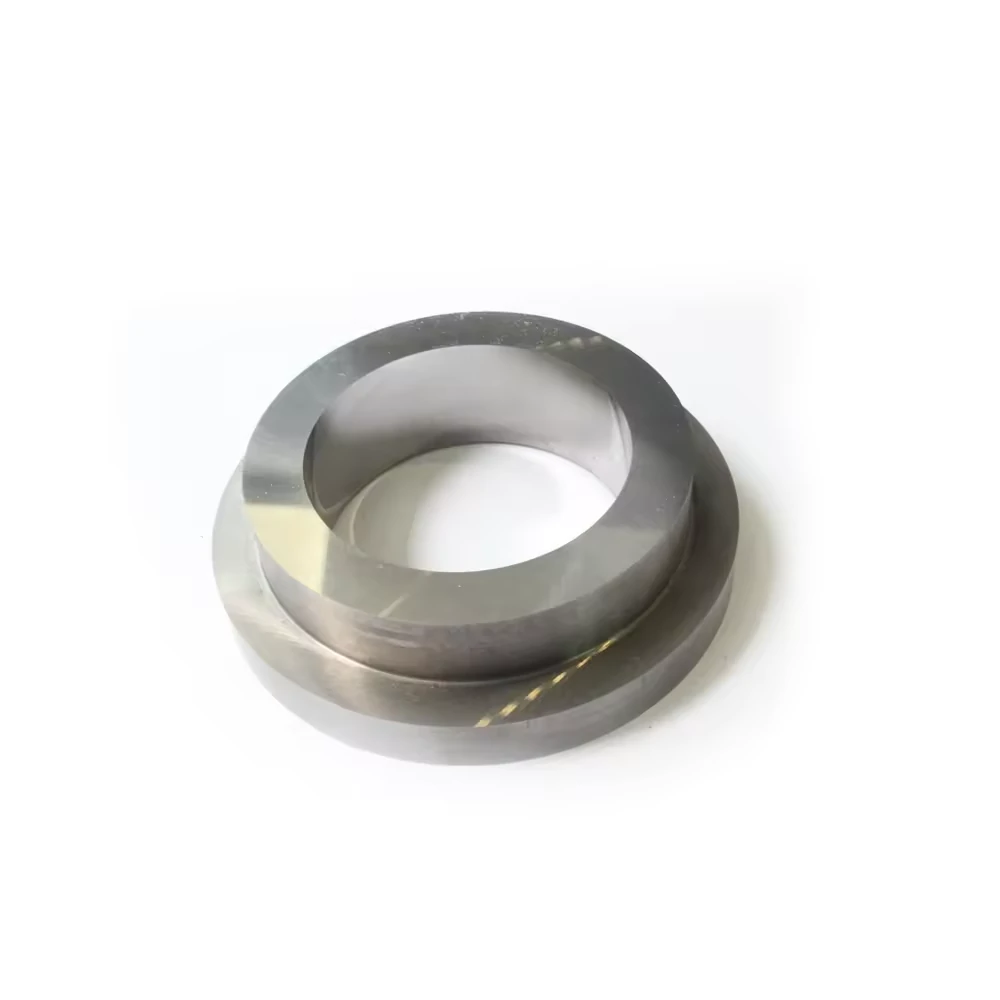
SOT Upper Score Dies and Lower Anvils
Can End Blanking and Drawing Dies
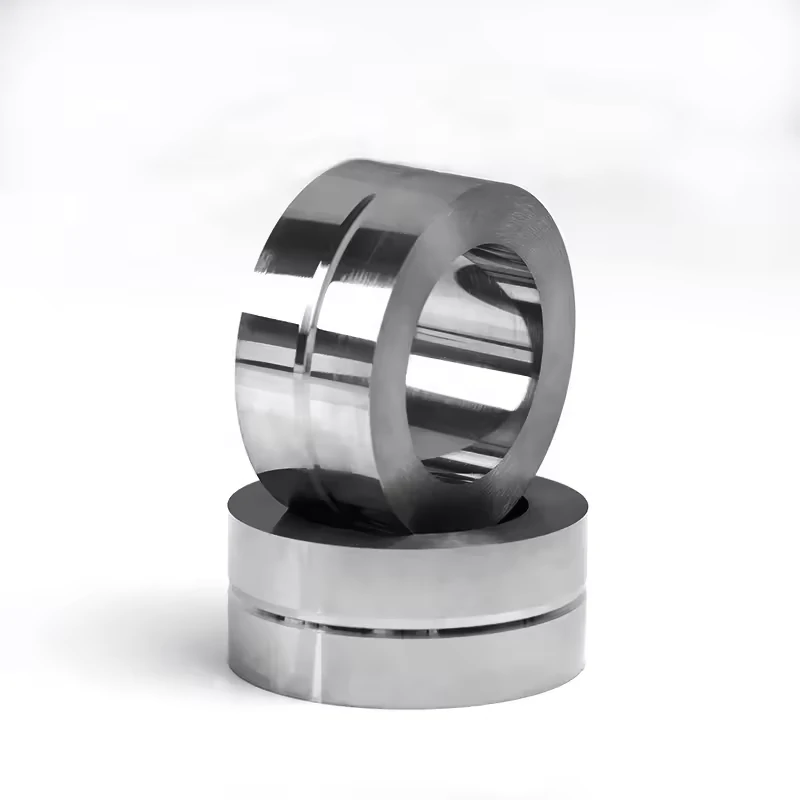
Curling Rings and Die Centers
Bubble and Rivet Forming Punches
Tab Forming and Staking Tooling
Maximize Your Conversion Press Uptime with HAO CARBIDE
In high-volume beverage packaging, unscheduled conversion press downtime can cost thousands of dollars per hour. Ensure absolute score line consistency, zero leakage, and effortless can opening by equipping your tooling stations with HAO CARBIDE precision dies.