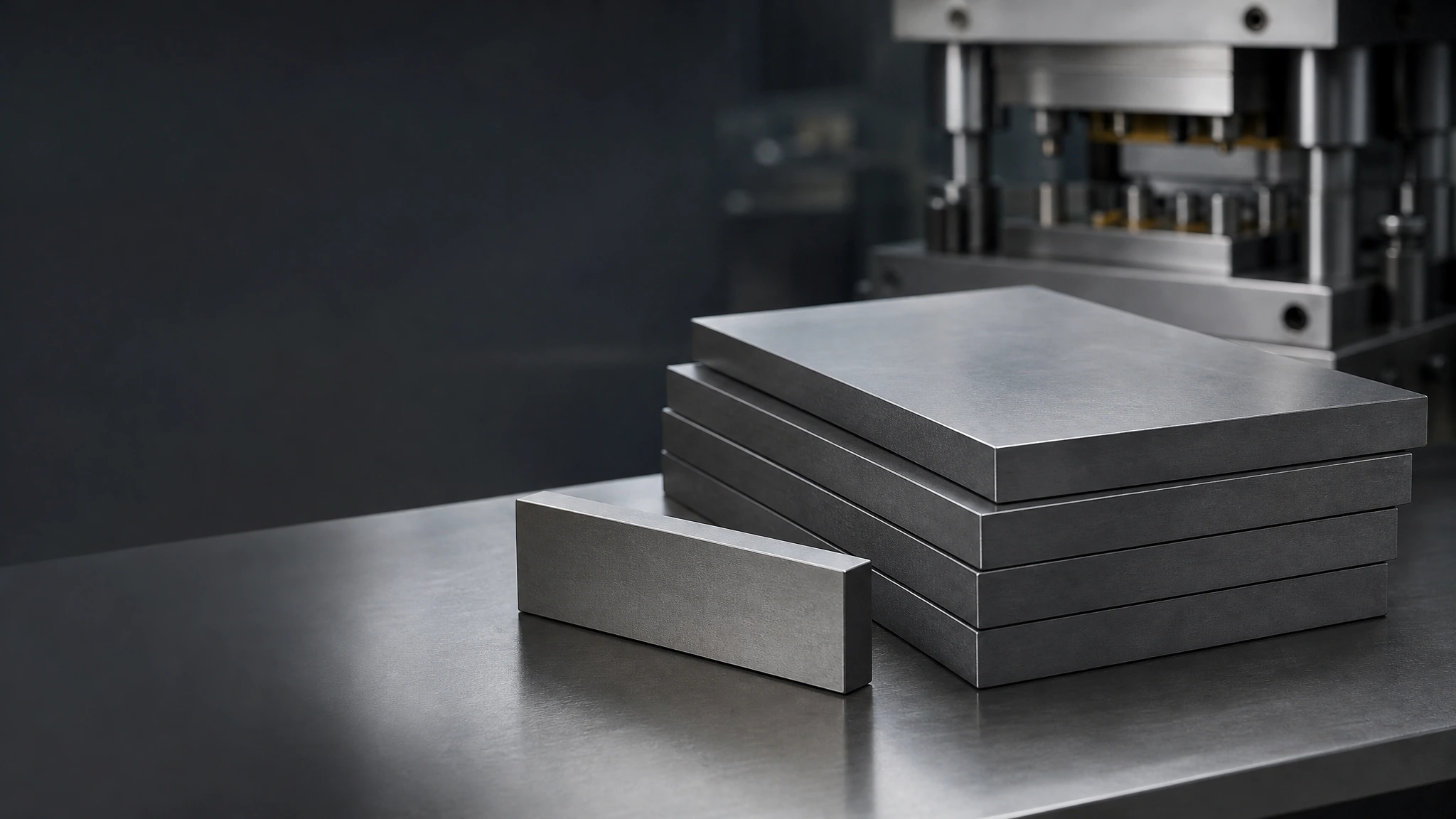
Carbide Edge Block for HPGR: Metal vs. Cement Edge Blocks Explained
Writer: admin Time:2026-10-16 17:52:36
In high-pressure comminution, roller wear is one of the single largest operating expenses. When plant managers and reliability engineers seek wear protection solutions, terms like hard metal edge block, hard alloy block, and cement edge block often surface.
While they all belong to the family of tungsten carbide edge blocks for High Pressure Grinding Rolls (HPGR), using them interchangeably is a costly mistake.
The difference between an edge block that lasts 8,000 hours and one that spalls or shatters in 1,500 hours lies in microstructural metallurgy, binder content, and mechanical design tailored to the feed material.
At Hao Carbides, we engineer and manufacture custom tungsten carbide edge protection systems designed to maximize campaign life across both hard-rock mining and cement manufacturing applications. Below is an engineering breakdown of how to select the right carbide edge block for your operational environment.
1. What Is a Carbide Edge Block for HPGR and Why Is It Critical?
An HPGR relies on interparticle crushing between two counter-rotating rollers under extreme pressures (often exceeding 50 to 120 bar). While the central roller surface utilizes an autogenous wear layer created by tungsten carbide studs, the roller edges operate under distinctly harsher conditions:
Pressure Drop & Edge Bypass: Material tries to escape laterally through the clearance gap between the cheek plates and roller ends, accelerating abrasive scouring.
High Shear & Impact: Coarse feed particles apply unconfined shear and impact stress along the periphery.
Edge Chipping: Without robust mechanical and metallurgical edge support, parent roll bodies suffer catastrophic "trough" or "shoulder" wear.
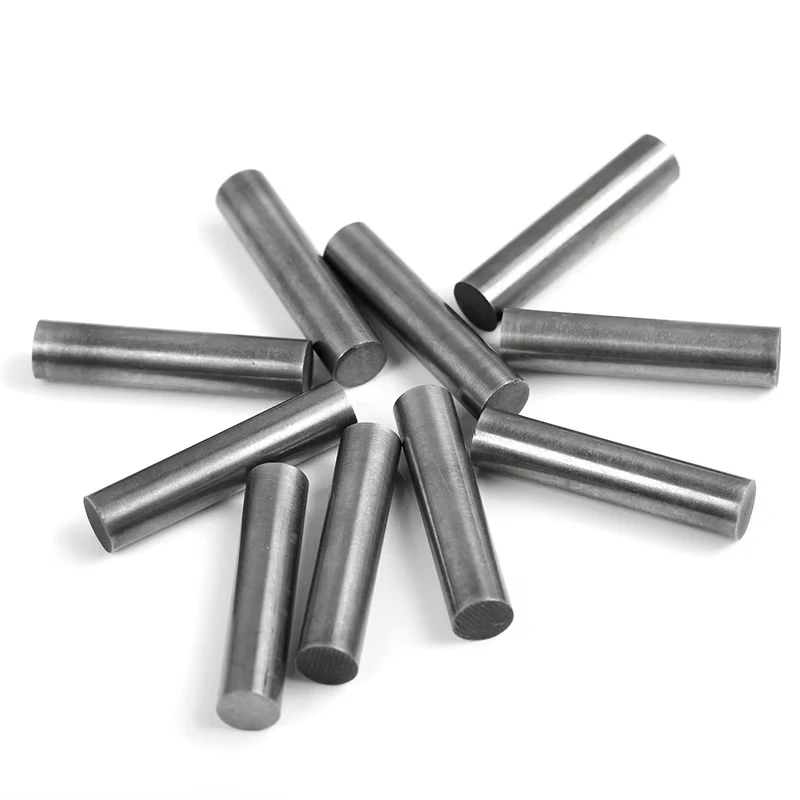
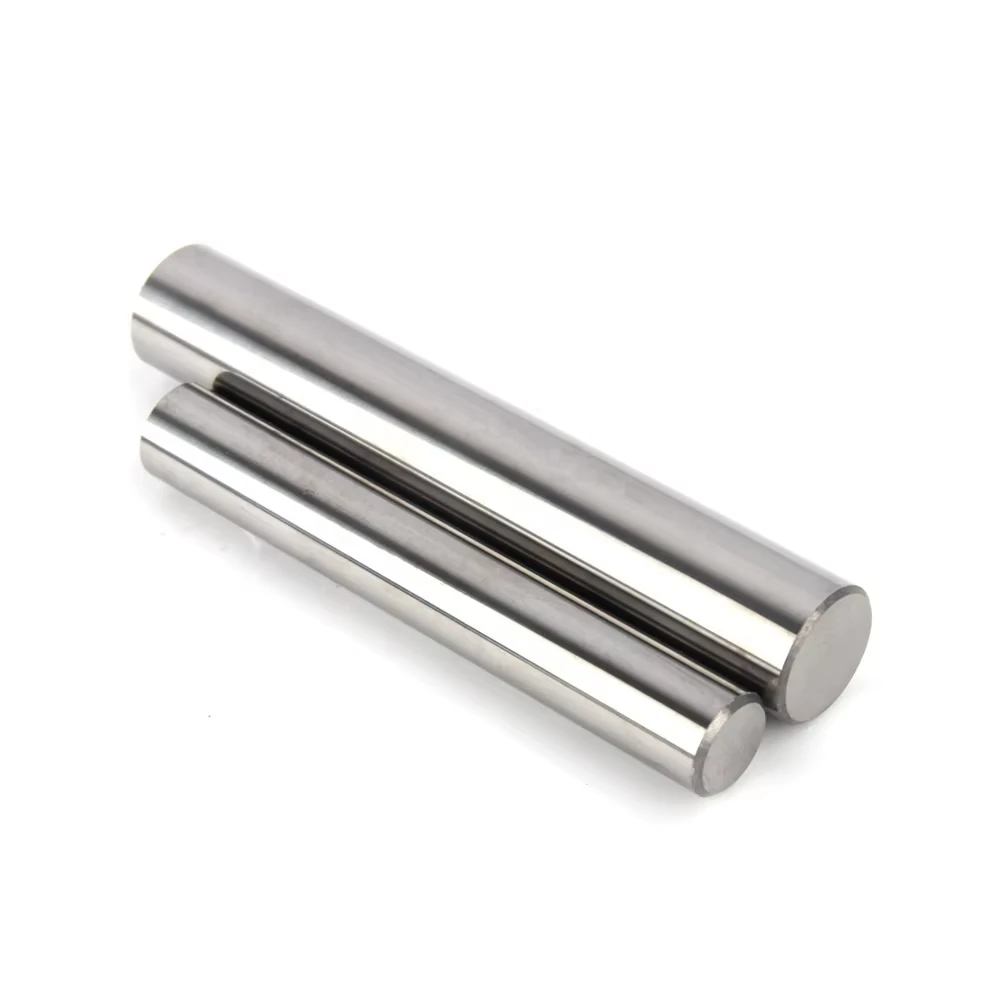
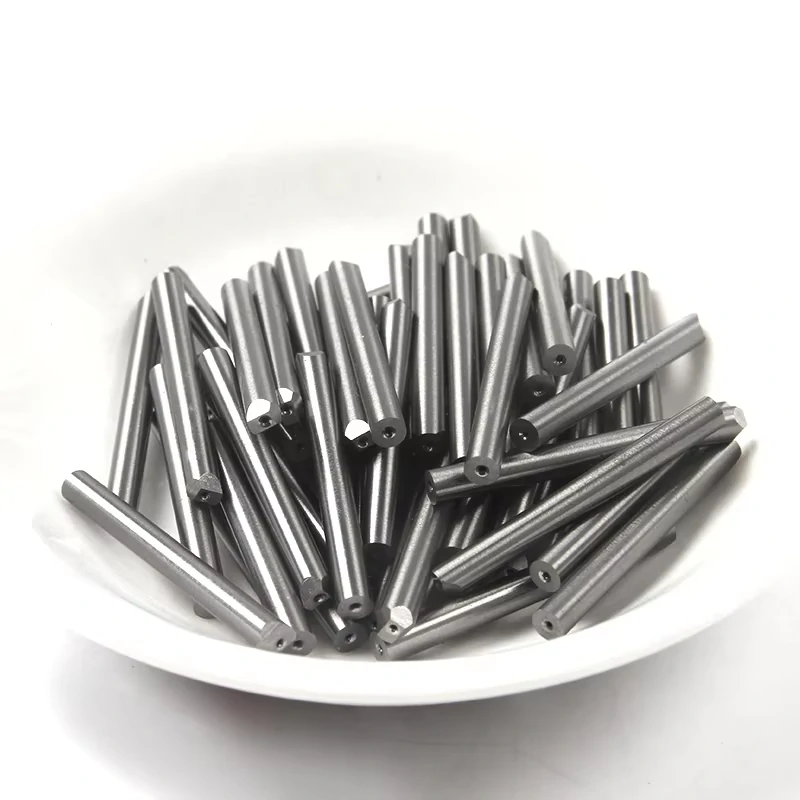
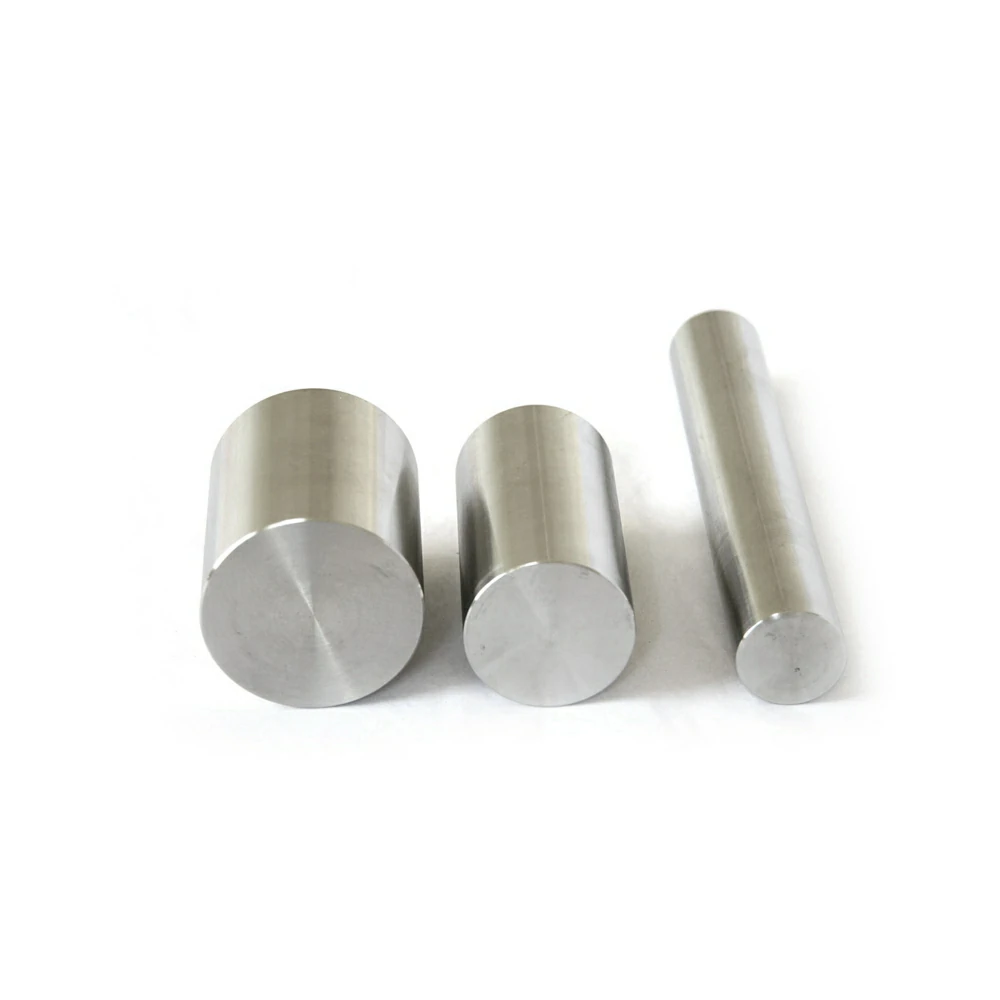
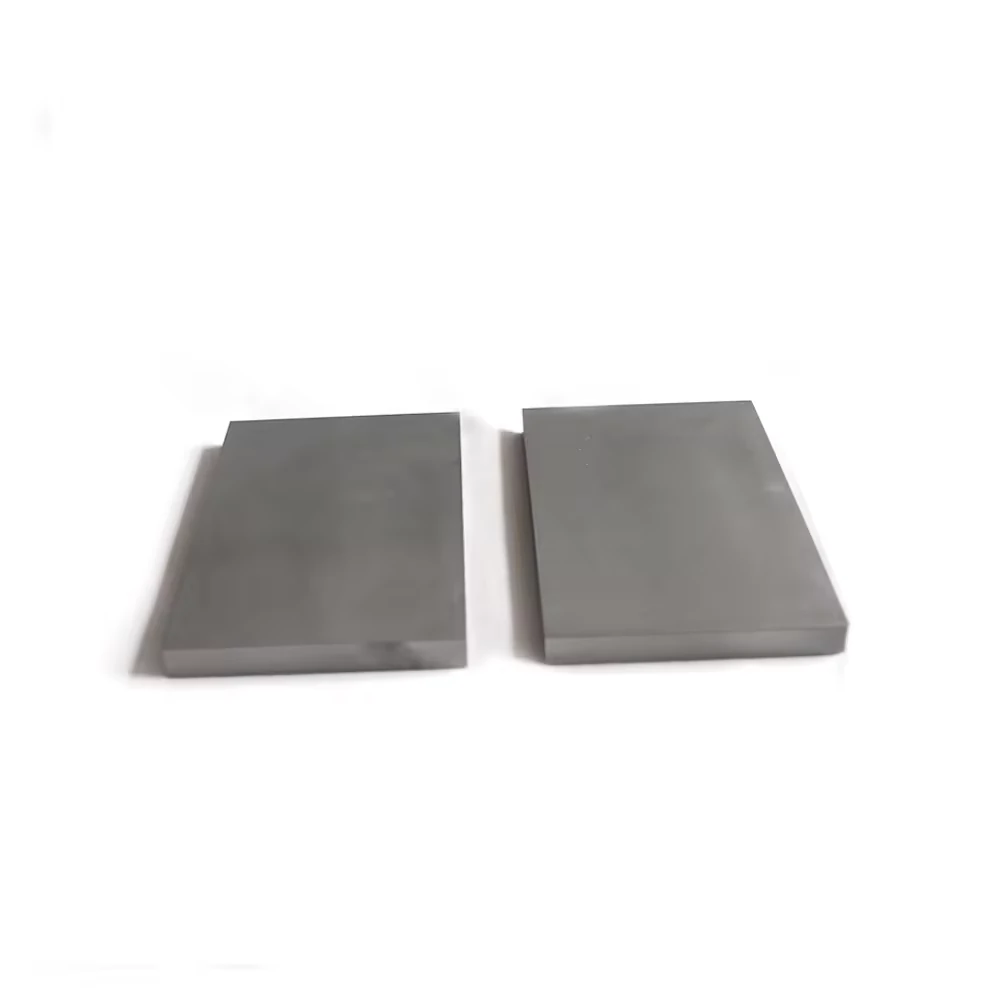
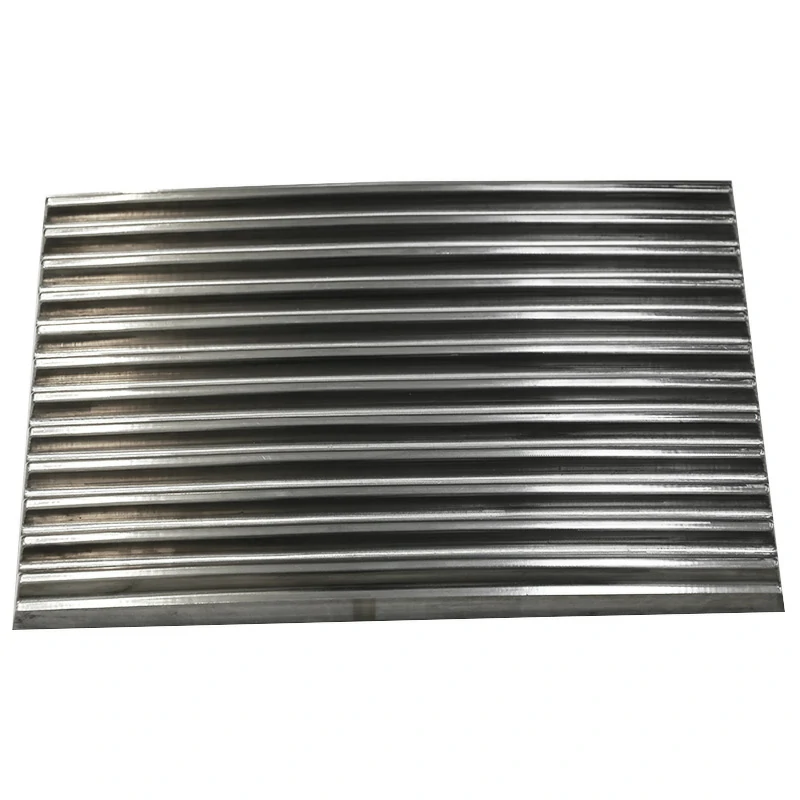
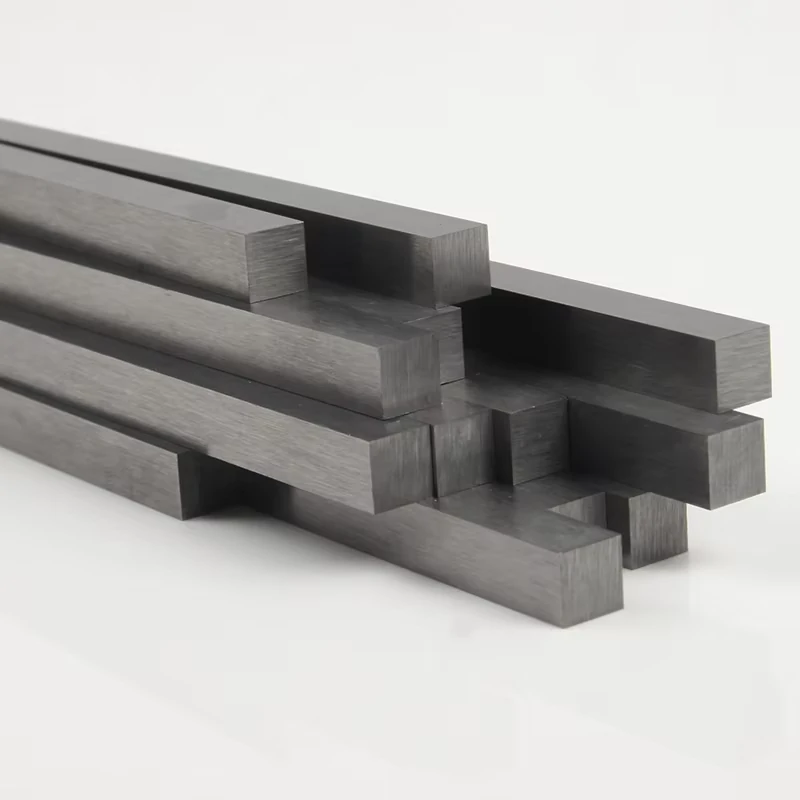
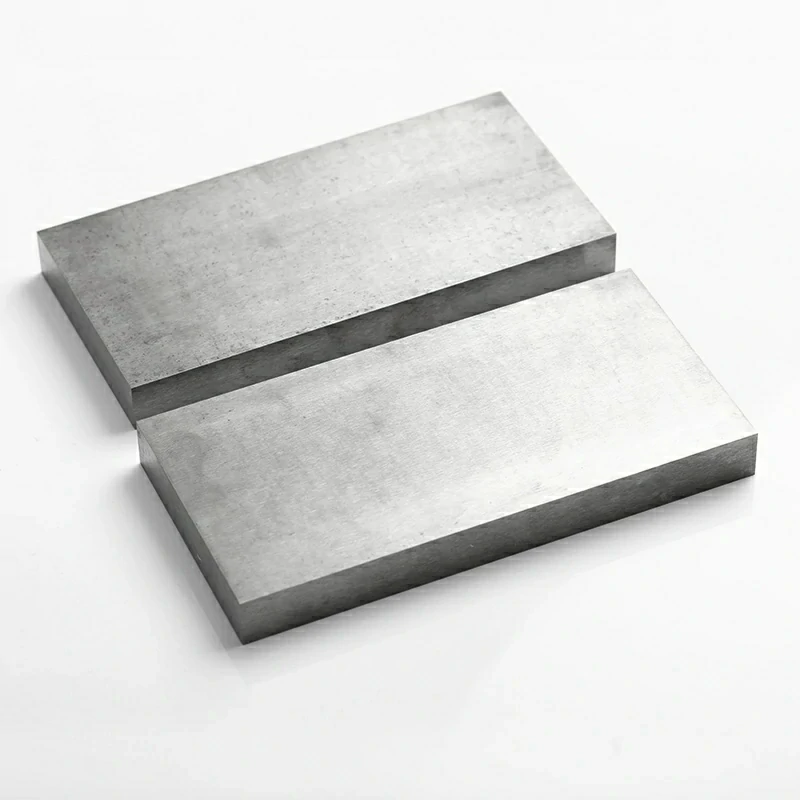
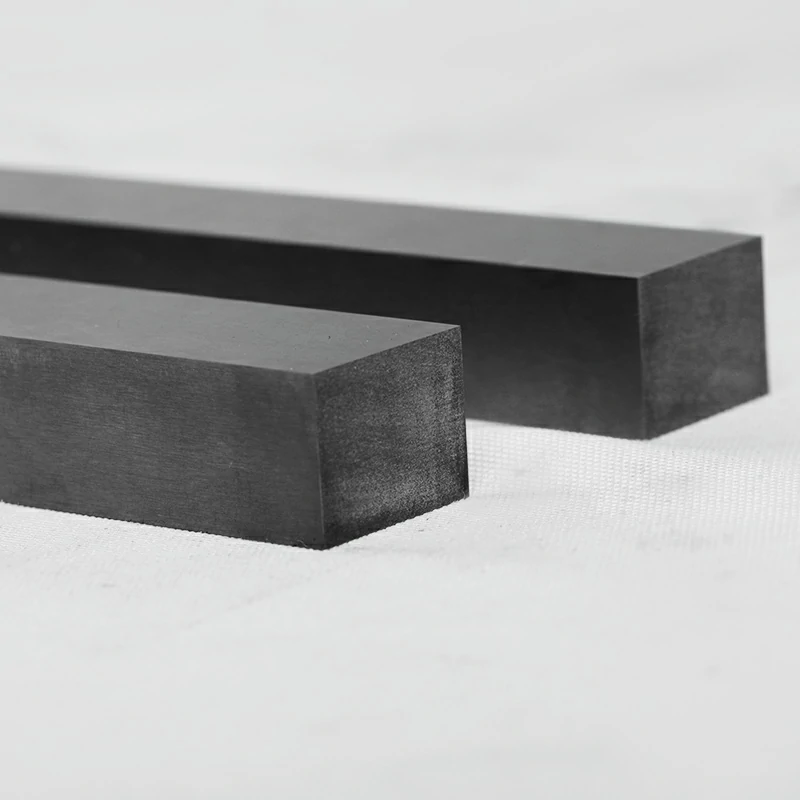
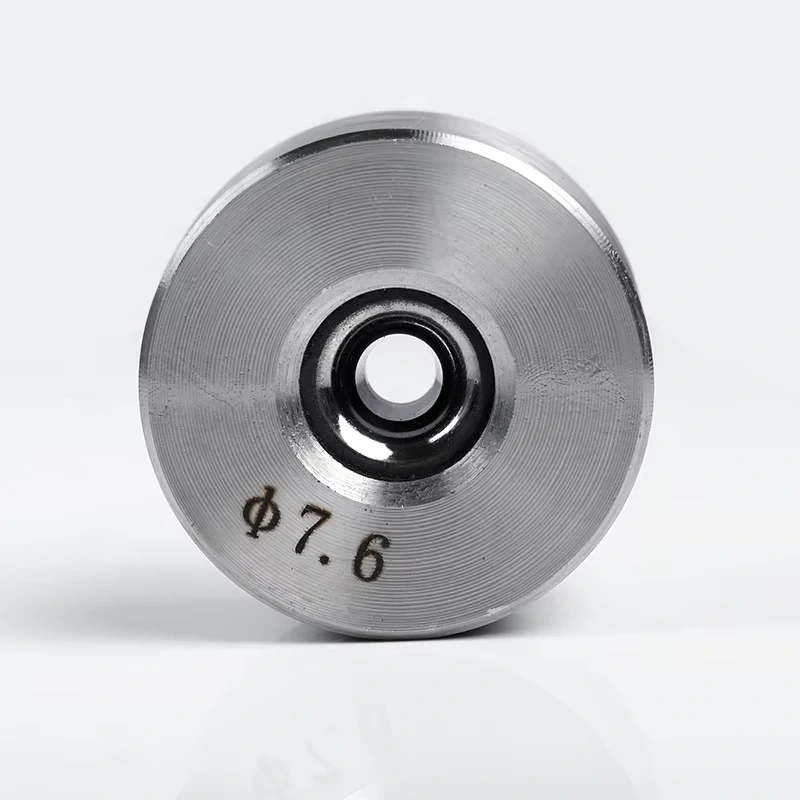
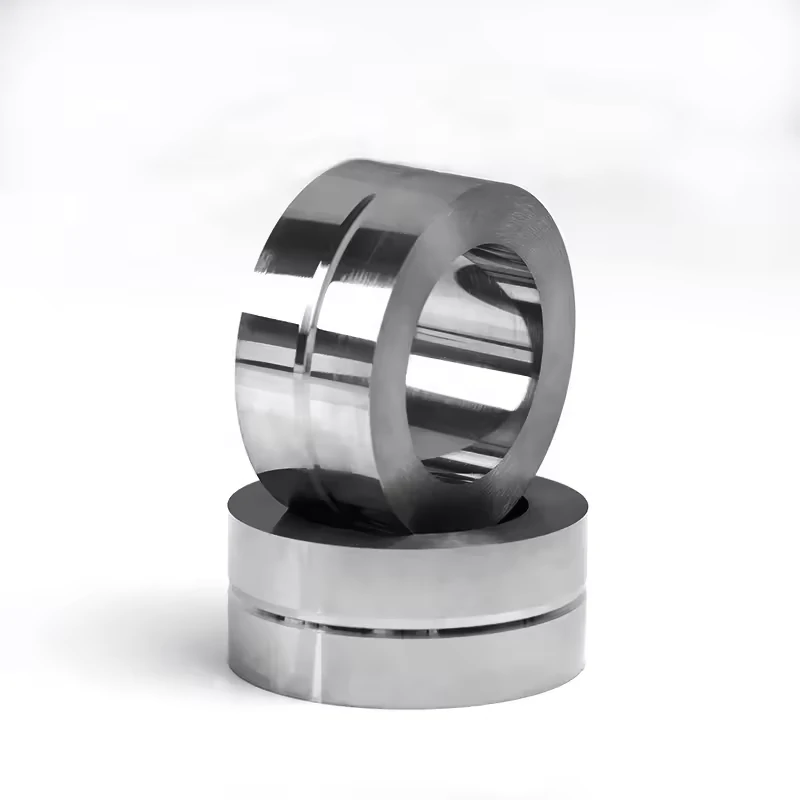
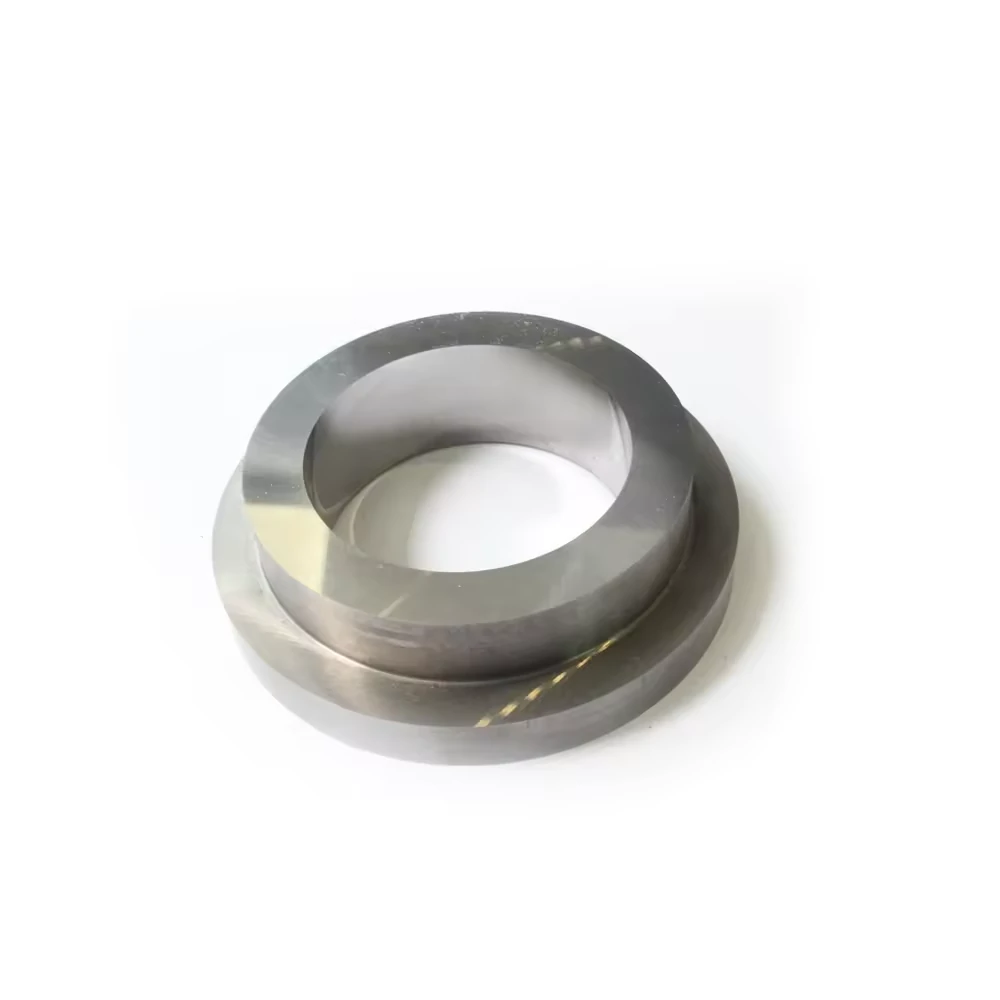
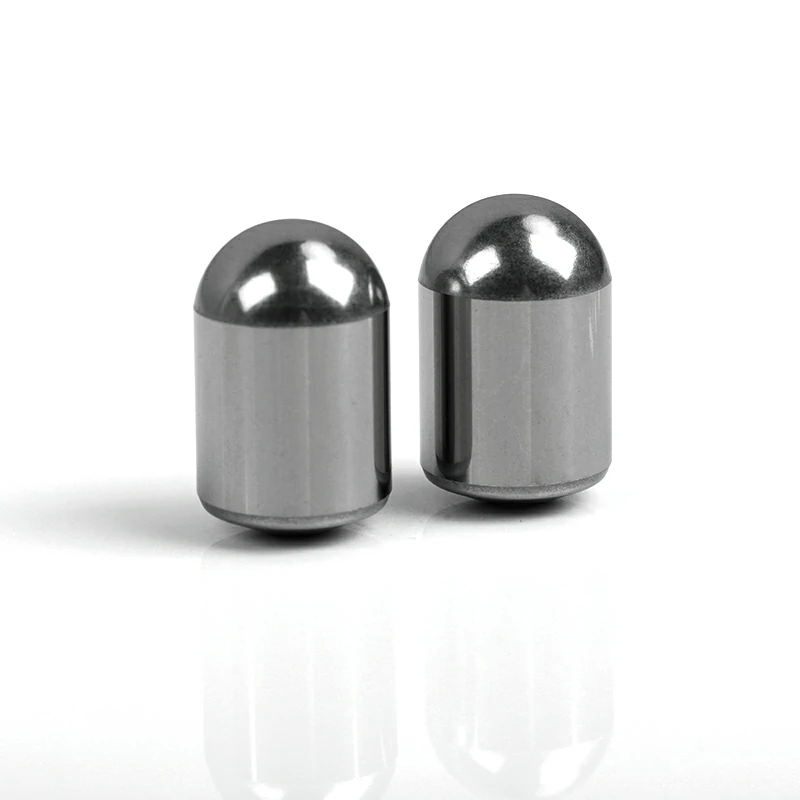
A carbide edge block for HPGR is an engineered tungsten carbide wear segment mechanically anchored along the perimeter of the roller. It shields the roll core, stabilizes the grinding bed across the entire working width, and maintains the designed grinding gap throughout the campaign.
Selecting the proper carbide edge block begins with the feed ore. The feed dictates the primary wear mechanism—and the wear mechanism dictates the required carbide chemistry.
Hard-rock mining installations grind ores such as:
Magnetite & Hematite (Iron ore)
Copper porphyry
Gold and quartz-heavy ores
Platinum & Lithium hard-rock deposits
The Challenge: Extreme hardness and severe micro-gouging abrasion combined with heavy shock loads from oversized rocks or tramp metals.
Metallurgical Need: High abrasion resistance with sufficient structural integrity to prevent edge fracture. This requires a lower cobalt binder percentage with ultra-pure tungsten carbide particles to achieve superior micro-hardness without brittleness.
B. Cement Edge Blocks for Cement Plants
Cement plants employ HPGR units for:
Raw meal grinding (Limestone, shale)
Pre-grinding and finish grinding of clinker
Granulated Blast Furnace Slag (GGBS)
The Challenge: While limestone is less abrasive than iron ore, clinker and slag combine high abrasiveness with elevated operational temperatures, fine particle penetration, and chemical/sulfate corrosion. Slag, in particular, exhibits high hardness and glass-phase abrasiveness.
Metallurgical Need: Cement edge blocks require higher cobalt content to enhance fracture toughness (TRS) and withstand recurring thermal and mechanical impact micro-cracks.
3. Metallurgy Breakdown: Cobalt Content, Hardness, and TRS
Tungsten carbide’s performance is governed by the equilibrium between Hardness (HRA) and Transverse Rupture Strength (TRS / Toughness), largely dictated by the Cobalt (%Co) binder content.
Lower Cobalt (10–12%): Yields maximum hardness and abrasion resistance; ideal for continuous, high-wear mineral ore crushing.
Higher Cobalt (13–18%): Delivers superior toughness and impact resistance; crucial for corrosive clinker, high-moisture slag, or inconsistent feed with impact hazards.
Hao Carbides Technical Grade Chart for HPGR Edge Blocks
The table below illustrates how our specialized grades are balanced according to the operational challenge:
| Application | Typical Grade | Cobalt Content (%Co) | Hardness (HRA) | Transverse Rupture Strength (TRS - N/mm²) | Key Properties |
|---|
| Metal Ore (Iron/Copper/Gold) | ZD01 | 10.10 – 11.80% | 86.2 – 89.3 | ≥ 3010 | Maximum abrasion resistance, anti-scouring |
| Cement Raw Meal | ZD03 | 10.50 – 14.10% | 86.5 – 88.5 | ≥ 3100 | Balanced hardness and cost-efficiency |
| Standard Cement Clinker | ZD05 | 12.80 – 15.60% | 85.6 – 88.2 | ≥ 3180 | Enhanced toughness against thermal & impact cracking |
| Slag / Corrosive Clinker | ZD08 | 16.00 – 17.50% | 85.2 – 89.0 | ≥ 3200 | Maximum impact resistance, thermal fatigue control |
Engineering Note: At Hao Carbides, all edge blocks undergo low-pressure Vacuum Sinter-HIP (Hot Isostatic Pressing) technology. This eliminates micro-porosity, optimizes structural density, and guarantees uniform wear across the entire block surface.
4. Mechanical Design: Integrating Blocks into Engineered Systems
A carbide edge block is not a standalone wear plate; it is an integrated element of an engineered roll protection assembly. The fastening methodology must withstand heavy lateral thrust loads:
Heavy-Duty Bolted Systems (HIP Powder Metallurgy / Hybrid Systems): Widely utilized in hard-rock metal ore HPGRs. Wear blocks are bonded or mechanically bolted onto ductile alloy bases to dampen impact shocks before they can crack the brittle carbide structure.
Modular Segmented Edge Rings (Hexagonal or Interlocking Systems): Predominantly utilized in cement and slag applications to ensure rapid change-out and zero-gap alignment against lateral material creep.
Whether your HPGR uses standard OEM profiles or proprietary configurations, Hao Carbides produces high-precision edge blocks compatible with all major HPGR brands, including KHD, Metso Outotec, Thyssenkrupp, Weir Enduron, and CITIC.
5. Selection Checklist: How to Specify Your HPGR Edge Blocks
Before issuing a RFQ for replacement edge blocks, gather the following operational parameters to ensure the correct grade selection:
Feed Characteristics: Material type, Bond Work Index (BWI), quartz/silica content, moisture level, and maximum top size.
Wear Diagnostics: Are your previous blocks failing due to gradual smooth wear, severe micro-spalling, or catastrophic fracture/cracking?
HPGR Operating Pressures: Specific grinding force (N/mm2), peripheral roll speed (m/s), and grinding gap width.
Assembly Interfaces: Provide technical drawings or samples indicating bolt geometry, taper angles, and tolerances.
Frequently Asked Questions (FAQ)
Q1: Can I use the same carbide edge block grade for both iron ore and cement clinker?
No. Using a metal-mining grade (such as ZD01) in high-impact or thermal clinker environments can lead to premature edge chipping due to insufficient toughness. Conversely, running a high-cobalt cement grade (such as ZD08) on highly abrasive quartz-bearing ore will cause accelerated abrasive wash-out.
Q2: Why do HPGR edge blocks fail before the central studs?
Roller edges do not retain an autogenous material layer as effectively as the center roll face. Because the edge blocks directly contact sliding, high-pressure raw feed escaping toward the cheek plates, they encounter severe two-body and three-body abrasion combined with lateral shear.
Extend Your HPGR Roller Campaign Life with Hao Carbides
Avoid unplanned shutdowns caused by premature edge spalling. Hao Carbides specializes in the design, metallurgy development, and precision manufacturing of tungsten carbide edge blocks for HPGR rollers.
From custom cobalt formulations for corrosive slag to ultra-hard grades for hard-rock mining, our engineering team ensures your rollers maintain uniform edge geometry and achieve the lowest wear cost per ton.
Facing premature edge wear on your HPGR rollers?
👉 Contact the Hao Carbides Engineering Team today to request technical drawings, grade recommendations, or a quote.